Azimuth World Foundation - Connecting the Dots

Azimuth World Foundation - Connecting the Dots

by Azimuth World Foundation
Season 1
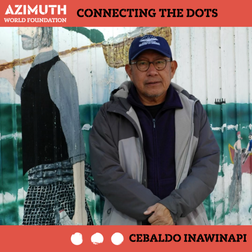
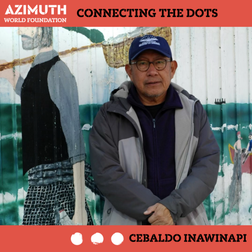
EN (dubbed): Connecting the Dots with CEBALDO INAWINAPI
Cebaldo Inawinapi was born in Usdup, an island in the Guna Yala archipelago in Panama. When he was born, his father planted the placenta and the umbilical cord in the jungle across from the island. From this ritual, a tree sprouted. In 1979, Cebaldo left for the Soviet Union, where he studied archaeology. It was there that he met a Portuguese woman who would later become his wife. In 1987, they moved to Portugal. Today he is an anthropologist, writer, poet, and researcher at the University of Trás-os-Montes and Alto Douro. He wrote “Mi primer árbol”, a bilingual book in Guna and Spanish about that initial ritual: when a Guna child is born, the umbilical cord is planted, along with a tree. He acted in the film “Panquiaco”, in which he portrays his own conflicts around belonging and return. He curated an exhibition at Casa da América Latina on “molas”, the textiles made by Guna women that tell stories, prophecies, and dreams. We spoke with Cebaldo at FOLIO festival, in Óbidos, Portugal. . Follow Cebaldo's work: https://www.inawinapi.com & http://instagram.com/inawinapi/ . More about the FOLIO Festival: https://foliofestival.pt . WATCH the video version of this interview or READ a transcript here: https://azimuthworldfoundation.org/stories/cebaldo/ . AZIMUTH WORLD FOUNDATION - JOIN THE CONVERSATION: - WEBSITE: https://www.azimuthworldfoundation.org - INSTAGRAM: https://www.instagram.com/azimuthworldfoundation - FACEBOOK: https://www.facebook.com/azimuthworldfoundation - LINKEDIN: https://www.linkedin.com/company/azimuth-world-foundation/
PT/ES: Connecting the Dots com CEBALDO INAWINAPI
Cebaldo Inawinapi nasceu em Usdup, uma ilha do arquipélago de Guna Yala, no Panamá. Quando nasceu, o pai plantou a placenta e o cordão umbilical na selva que fica em frente à ilha. Desse ritual nasceu também uma árvore. Em 1979 Cebaldo partiu para a União Soviética, onde estudou arqueologia. Foi aí que conheceu uma portuguesa que se viria a tornar sua mulher. Em 1987 mudaram-se para Portugal. Hoje é antropólogo, escritor, poeta e investigador na Universidade de Trás-os-Montes e Alto Douro. Escreveu "Mi primer árbol", um livro bilingue em guna e espanhol sobre esse primeiro ritual: quando nasce uma criança Guna, plantam o cordão umbilical e também uma árvore. Foi actor no filme "Panquiaco", onde interpreta os próprios conflitos de pertença e retorno. Foi o curador de uma exposição na Casa da América Latina sobre “molas”, as telas que as mulheres Guna fazem e que contam histórias, profecias e sonhos. Falámos com Cebaldo no festival FOLIO, em Óbidos. . Acompanhe o trabalho de Cebaldo: https://www.inawinapi.com & http://instagram.com/inawinapi/ . Saiba mais sobre o FOLIO: https://foliofestival.pt . VEJA a versão em vídeo ou LEIA a versão ESCRITA: https://azimuthworldfoundation.org/pt-pt/historias/cebaldo/ . AZIMUTH WORLD FOUNDATION - JUNTE-SE À CONVERSA: - WEBSITE: https://azimuthworldfoundation.org/pt-pt/ - INSTAGRAM: https://www.instagram.com/azimuthworldfoundation - FACEBOOK: https://www.facebook.com/azimuthworldfoundation - LINKEDIN: https://www.linkedin.com/company/azimuth-world-foundation/
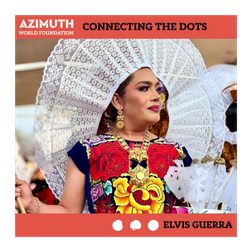
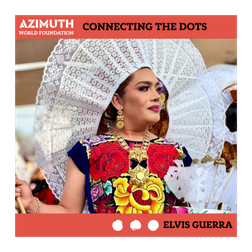
EN (dubbed): Connecting the Dots with ELVIS GUERRA
The Zapotec people of southern Mexico have long recognized more than two genders. In Juchitán, in the state of Oaxaca, a person born with a male body who lives a feminine identity and role in the community is called muxe. This is not a "third gender" in the Western sense, but a distinct identity, rooted in Zapotec culture, that predates and exceeds any category borrowed from the outside world. Elvis Guerra was born in Juchitán in 1993. She is a muxe poet, translator, activist and artisan. Her three poetry collections, including Ramonera and Muxitán, are a true showcase of her raw, political art, and have taken Elvis around the world to speak about the lived realities of being muxe. We met Elvis at the FOLIO literary festival in Óbidos, Portugal, for an inspiring conversation. . Follow Elvis Guerra on Instagram: https://www.instagram.com/elvisgguerra/ . LISTEN to the podcast version of this interview or READ a transcript here: https://azimuthworldfoundation.org/stories/elvisguerra/ . AZIMUTH WORLD FOUNDATION - JOIN THE CONVERSATION: - WEBSITE: https://www.azimuthworldfoundation.org - INSTAGRAM: https://www.instagram.com/azimuthworldfoundation - FACEBOOK: https://www.facebook.com/azimuthworldfoundation - LINKEDIN: https://www.linkedin.com/company/azimuth-world-foundation/
PT/ES: Connecting the Dots com ELVIS GUERRA
O povo zapoteca do sul do México desde há muito reconhece mais do que dois géneros. Em Juchitán, no estado de Oaxaca, uma pessoa nascida com um corpo masculino que vive uma identidade e um papel femininos na comunidade é chamada de muxe. Não se trata de um «terceiro género» no sentido ocidental, mas sim de uma identidade distinta, enraizada na cultura zapoteca, que antecede e ultrapassa qualquer categoria importada do mundo exterior. Elvis Guerra nasceu em Juchitán em 1993. É uma poeta, tradutora, ativista e artesã muxe. As suas três coleções de poesia, incluindo «Ramonera» e «Muxitán», demonstram a natureza crua e política da sua arte, e têm levado Elvis a viajar pelo mundo para falar sobre a realidade da sua vida enquanto muxe. Encontramo-nos com Elvis no festival FOLIO, em Óbidos, Portugal, onde gravámos esta conversa inspiradora. . Siga Elvis Guerra no Instagram: https://www.instagram.com/elvisgguerra/ . VEJA a versão em vídeo ou LEIA a versão escrita: https://azimuthworldfoundation.org/pt-pt/historias/elvisguerra/ . AZIMUTH WORLD FOUNDATION - JUNTE-SE À CONVERSA: - WEBSITE: https://azimuthworldfoundation.org/pt-pt/ - INSTAGRAM: https://www.instagram.com/azimuthworldfoundation - FACEBOOK: https://www.facebook.com/azimuthworldfoundation - LINKEDIN: https://www.linkedin.com/company/azimuth-world-foundation/
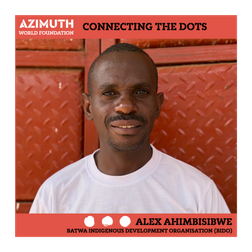
PT (dubbed): Connecting the Dots com ALEX AHIMBISIBWE - Batwa Indigenous Development Organisation
Os Batwa são um povo indígena da região dos Grandes Lagos Africanos. Durante milhares de anos, os Batwa do sudoeste do Uganda viveram como caçadores-recoletores na Floresta Impenetrável de Bwindi. No início da década de 1990, devido à criação de um parque nacional, os Batwa foram expulsos do seu território ancestral. Sem terra, sem realojamento, estas comunidades foram empurradas para as margens da sociedade. Neste episódio, viajamos até à aldeia de Kashija, no distrito de Kisoro, para conversar com Alex Ahimbisibwe, diretor da Batwa Indigenous Development Organisation, ou BIDO. Fundada em 2015, a organização procura combater a marginalização dos Batwa através de projetos de desenvolvimento liderados pela própria comunidade. A Azimuth é parceira da BIDO desde 2022. Atualmente, a nossa parceria engloba duas importantes iniciativas: um projeto agrícola que promove a segurança e soberania alimentar na comunidade, e um projeto educativo que acompanha crianças e jovens Batwa — e os seus pais — ao longo do seu percurso escolar. Gravámos esta entrevista durante uma visita da nossa equipa a Kashija. Esperamos que seja uma oportunidade para ficar a conhecer melhor o povo Batwa e o trabalho que a BIDO está a levar a cabo no Uganda. . Saiba mais sobre a nossa parceria com a BIDO: https://azimuthworldfoundation.org/pt-pt/parcerias/bido/ . Siga o trabalho da BIDO: https://batwaz-bido.org/ // https://www.instagram.com/batwa_indigenous_development/ . VEJA a versão em vídeo (legendada em português) ou leia a versão ESCRITA em português: https://azimuthworldfoundation.org/pt-pt/historias/alexbido/ . AZIMUTH WORLD FOUNDATION - JUNTE-SE À CONVERSA: - WEBSITE: https://azimuthworldfoundation.org/pt-pt/ - INSTAGRAM: https://www.instagram.com/azimuthworldfoundation - FACEBOOK: https://www.facebook.com/azimuthworldfoundation - LINKEDIN: https://www.linkedin.com/company/azimuth-world-foundation/
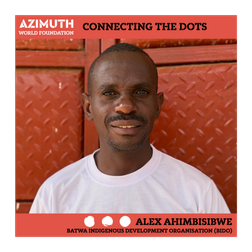
EN: Connecting the Dots with ALEX AHIMBISIBWE - Batwa Indigenous Development Organisation
The Batwa are an Indigenous People of Africa's Great Lakes region. For thousands of years, the Batwa of South-western Uganda lived as hunter-gatherers in the Bwindi Impenetrable Forest. In the early 1990s, the creation of a national park led to their eviction from their ancestral home, leaving Batwa communities landless and pushed to the margins of society. In this episode, we travel to Kashija village, in Kisoro District, to meet Alex Ahimbisibwe, the director of the Batwa Indigenous Development Organisation, or BIDO. Founded in 2015, BIDO works to overcome this marginalization through community development led by the Batwa themselves. Azimuth has been a partner of BIDO since 2022. We continue to support two crucial BIDO initiatives: an agriculture project building food security and food sovereignty in the community, and an education project accompanying Batwa children — and their parents — along their school journey. We recorded this conversation during our visit to Kashija. We hope it brings you closer to the Batwa, and to the work BIDO is doing in Uganda. . Learn more about our partnership with BIDO: https://azimuthworldfoundation.org/partnerships/grassroots-organizations/bido/ . Follow BIDO's's work: https://batwaz-bido.org // https://www.instagram.com/batwa_indigenous_development/ . WATCH the video version of this interview or READ a transcript here: https://azimuthworldfoundation.org/stories/alexbido . AZIMUTH WORLD FOUNDATION - JOIN THE CONVERSATION: - WEBSITE: https://www.azimuthworldfoundation.org - INSTAGRAM: https://www.instagram.com/azimuthworldfoundation - FACEBOOK: https://www.facebook.com/azimuthworldfoundation - LINKEDIN: https://www.linkedin.com/company/azimuth-world-foundation/
PT: Connecting the Dots com BRISA FLOW (original)
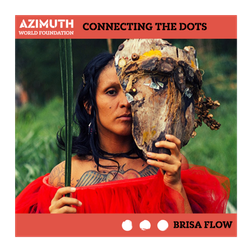
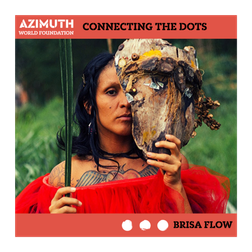
Brisa de la Cordillera, Mapuche, é filha de artesãos chilenos que saíram do país em 1987 durante a ditadura de Pinochet. Cresceu no Brasil, num bairro periférico de Belo Horizonte, em Minas Gerais, onde começou o seu percurso artístico. É rapper, cantora, compositora, produtora, educadora. A sua obra traça um percurso singular que passa pelo rap, cantos ancestrais, jazz, electrónica e música andina. Lançou três álbuns: "Newen", "Selvagem como o vento" e "Janequeo". Foi a primeira artista indígena a actuar no Lollapalooza. Falámos com Brisa durante a sua passagem por Portugal, onde participou no FOLIO - Festival Literário Internacional de Óbidos, e onde realizou uma residência artística promovida pela plataforma Terra Batida, que tem convidado artistas indígenas brasileiros a explorar as políticas de memória e apagamento que atravessam os acervos mantidos em museus e arquivos em Portugal. . Mergulhe no imaginário de Brisa Flow: Youtube: https://www.youtube.com/user/brisaflowmc Spotify: https://open.spotify.com/artist/78XNtbcRuW435NYDYV0rWO?si=1rQYtBYKQg-Yf-Auua92_w Instagram: https://www.instagram.com/brisaflow/ . Saiba mais sobre o FOLIO: https://foliofestival.pt Saiba mais sobre a Terra Batida: https://terrabatida.org/ . VEJA a versão em vídeo desta entrevista ou LEIA a versão escrita aqui: https://azimuthworldfoundation.org/pt-pt/historias/brisaflow . AZIMUTH WORLD FOUNDATION: - WEBSITE: https://www.azimuthworldfoundation.org - INSTAGRAM: https://www.instagram.com/azimuthworldfoundation - FACEBOOK: https://www.facebook.com/azimuthworldfoundation - LINKEDIN: https://www.linkedin.com/company/azimuth-world-foundation/
EN: Connecting the Dots with BRISA FLOW (dubbed)
Brisa de la Cordillera, a Mapuche artist, is the daughter of Chilean artisans who left the country in 1987 during the Pinochet dictatorship. She grew up in Brazil, in a suburb of Belo Horizonte, in Minas Gerais, where she began her artistic journey. She is a rapper, singer, songwriter, producer, and educator. Her work traces a singular path that spans rap, ancestral chants, jazz, electronic music, and Andean music. She has released three albums: "Newen," "Selvagem como o vento," and "Janequeo." She was the first Indigenous artist to perform at Lollapalooza. We spoke with her during her visit to Portugal, where she participated in FOLIO—the Óbidos International Literary Festival—and where she completed an artist residency organized by the Terra Batida platform, which has been inviting Brazilian Indigenous artists to explore the politics of memory and erasure that permeate the collections held in museums and archives across Portugal. . Dive into Brisa Flow’s artistic vision: Youtube: https://www.youtube.com/user/brisaflowmc Spotify: https://open.spotify.com/artist/78XNtbcRuW435NYDYV0rWO?si=1rQYtBYKQg-Yf-Auua92_w Instagram: https://www.instagram.com/brisaflow/ . More about the FOLIO Festival: https://foliofestival.pt More about Terra Batida: https://terrabatida.org/ . WATCH the video version of this interview or READ a transcript here: https://azimuthworldfoundation.org/stories/brisaflow/ . AZIMUTH WORLD FOUNDATION - JOIN THE CONVERSATION: - WEBSITE: https://www.azimuthworldfoundation.org - INSTAGRAM: https://www.instagram.com/azimuthworldfoundation - FACEBOOK: https://www.facebook.com/azimuthworldfoundation - LINKEDIN: https://www.linkedin.com/company/azimuth-world-foundation/
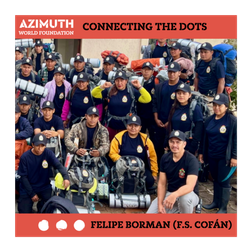
PT: Connecting the Dots com FELIPE BORMAN da Fundación Sobrevivencia Cofán (dobragem)
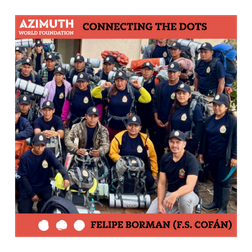
Neste episódio conversamos com Felipe Borman, diretor executivo da Fundación Sobrevivencia Cofán, sediada no Equador. A Azimuth é parceira da FSC desde 2022, tendo apoiado o seu Programa de Guardas Florestais. Este programa protege mais de 400 000 hectares de floresta amazónica e andina. Mais recentemente, a Azimuth apoiou o projeto Lifeboat Garden, que tem como objetivo preservar o conhecimento tradicional sobre plantas e práticas agrícolas dos Cofán. Apoiámos também a realização de obras na sede da FSC em Quito, onde famílias Cofán e guardas florestais ficam alojados para iniciativas de educação e formação. Esperamos que esta conversa o inspire a saber mais sobre os Cofán e o trabalho crucial que a FSC está a levar a cabo no Equador. . Saiba mais sobre a nossa parceria com a FSC: https://azimuthworldfoundation.org/pt-pt/parcerias/fsc/ . Siga o trabalho da FSC: https://www.cofan.org // https://www.instagram.com/cofansurvivalfund/ . VEJA a versão em vídeo (com legendas em português) ou leia a versão ESCRITA em português: https://azimuthworldfoundation.org/pt-pt/historias/felipeborman/ . AZIMUTH WORLD FOUNDATION - JUNTE-SE À CONVERSA: - WEBSITE: https://azimuthworldfoundation.org/pt-pt/ - INSTAGRAM: https://www.instagram.com/azimuthworldfoundation - FACEBOOK: https://www.facebook.com/azimuthworldfoundation - LINKEDIN: https://www.linkedin.com/company/azimuth-world-foundation/
EN: Connecting the Dots with FELIPE BORMAN of Fundación Sobrevivencia Cofán (original)
For our latest episode we're in conversation with Felipe Borman, executive director of the Fundación Sobrevivencia Cofán in Ecuador. Azimuth has been a partner of FSC since 2022, supporting their Park Guards Program, which protects over 400,000 hectares of Amazon and Andean forest. More recently, we’ve supported the Lifeboat Garden project, which works to preserve traditional Cofán plant knowledge and farming practices, as well as improvements to FSC's headquarters in Quito, where Cofán families and park guards gather for education and training. We hope this conversation inspires you to learn more about the Cofán and the crucial work the FSC is doing in Ecuador. . Learn more about our partnership: https://azimuthworldfoundation.org/partnerships/grassroots-organizations/fsc/ . Follow FSC's work: https://www.cofan.org // https://www.instagram.com/cofansurvivalfund/ . WATCH the video version of this interview or READ the transcript here: https://azimuthworldfoundation.org/stories/FelipeBorman . AZIMUTH WORLD FOUNDATION - JOIN THE CONVERSATION: - WEBSITE: https://www.azimuthworldfoundation.org - INSTAGRAM: https://www.instagram.com/azimuthworldfoundation - FACEBOOK: https://www.facebook.com/azimuthworldfoundation - LINKEDIN: https://www.linkedin.com/company/azimuth-world-foundation/
1 of 5