The Rucker’s Edge: Rucking Tips, Training, and Gear

The Rucker’s Edge: Rucking Tips, Training, and Gear

by Spencer
What Competitive Ruckers Do Differently
What separates recreational ruckers from competitive athletes? In this episode, Spencer sits down with Bailey Ertel, one of the top competitors in Ruck Race League and an accomplished DEKA athlete, to unpack the mindset and training habits that helped her rise through the rankings. Bailey shares how she went from simply trying her first DEKA Ruck event to finishing near the top of the Ruck Race League leaderboard. Along the way, she discusses pacing mistakes, progressive overload, strength training, data analysis, fueling, mobility, and why community has become one of her greatest competitive advantages. Whether you're thinking about signing up for your first event or simply want to become a stronger, faster, more capable rucker, this conversation is packed with practical lessons you can apply immediately. What You'll Learn The biggest pacing mistake new competitors make How spreadsheets and race data improved her performance Why strength training is essential for competitive rucking How proper fueling transformed her performance The surprising role community plays in getting faster How Bailey worked up to carrying 180 pounds safely Advice for anyone considering their first competition Guest Introduction Bailey Ertel is a competitive hybrid athlete and one of the top-ranked competitors in the Ruck Race League. She competes in DEKA, HYROX, and other functional fitness events while balancing family life and raising two daughters. Known for her analytical approach to training, Bailey uses race data, deliberate practice, and progressive overload to continually improve her performance, while inspiring others to challenge what they believe they're capable of. Links & Resources: Follow Bailey Ertel on Instagram: @baileyallyson The Rucker's Edge – Official Site Follow The Rucker's Edge on Instagram: @theruckersedgepod Notes: Music Credit: "Play This Game" by Black Rhomb. Disclaimer: The information presented in this episode is for educational purposes only and should not be considered medical advice. Always consult a qualified healthcare professional before beginning any exercise program or making changes to your health, fitness, or nutrition routine.
Weighted Vest vs Rucksack: Which One Should You Use (And When)?
Weighted Vest vs Rucksack: Which One Should You Use? If you own both a weighted vest and a rucksack, do you know which one is actually the better choice for today's workout? Many people treat them like they're interchangeable. Grab whichever one is closest and head out the door. But your body doesn't respond to them the same way. In this episode of The Rucker's Edge, Spencer breaks down the biomechanics, physiology, and practical applications of each tool so you can match your equipment to your training goals. You'll learn why load placement changes posture, muscle recruitment, breathing, stability, and fatigue, and why choosing the right tool can make your training more effective. Whether you're preparing for a GORUCK event, building endurance, doing functional fitness, or simply trying to get more out of your daily weighted walks, this episode will help you decide exactly when to wear a weighted vest and when a rucksack is the better option. In This Episode: Why weighted vests and rucksacks are not interchangeable How load placement changes posture, oxygen demand, and muscle recruitment When a rucksack is the better training tool When a weighted vest has the advantage The pros and cons of each for conditioning, bodyweight workouts, and long-distance training Why breathing feels different in a weighted vest Common mistakes people make when choosing between the two A simple framework for deciding which tool to use for every workout Links & Resources: The Rucker's Edge – Official Site Follow The Rucker's Edge on Instagram: @theruckersedgepod Mountain Tactical Institute Research by Dr. Joseph Knapik on load carriage:Knapik, J.J. (1996). Load carriage using packs: a review of physiological, biomechanical and medical aspects. Applied Ergonomics, 27(3), 207-216. Knapik, J.J., Reynolds, K.L., Harman, E. (2004). Soldier load carriage: Historical, physiological, biomechanical, and medical aspects. Military Medicine, 169(1), 45-56. Previous episodes mentioned in this episode:Mountain Tactical Institute Kayla Girgen Kayla Girgen's Sugar and Strength Podcast Notes: Music Credit: "Play This Game" by Black Rhomb The information discussed in this episode is for educational purposes only and should not be considered medical advice. Consult your physician before beginning any new exercise program.
The Science Behind Weighted Vests: What Actually Works (with Philip Pape)
Weighted vests have exploded in popularity. Some people claim they're the secret to burning more calories. Others say they'll build muscle, strengthen your bones, and replace traditional strength training. But how much of that is actually supported by research? In this episode, Spencer sits down with nutrition coach, science communicator, and host of the Wits & Weights podcast, Philip Pape, to separate evidence from internet hype. Together they discuss what weighted vests actually do, when they're useful, who benefits the most, and where traditional resistance training still comes out ahead. Whether you're considering buying your first weighted vest or already use one during your workouts, this conversation will help you make smarter training decisions. In this episode Do weighted vests actually burn significantly more calories? Can a weighted vest build bone density? Why progressive overload still matters Weighted vest vs. rucksack: What's the difference? Can weighted vests replace lifting weights? The best ways to incorporate a weighted vest into your training Common mistakes people make How to progress safely Why movement quality matters more than simply adding weight About Philip: Philip Pape is a nutrition coach, science communicator, and host of the Wits & Weights podcast. He specializes in helping busy adults build muscle, lose fat, and improve long-term health by translating exercise and nutrition research into practical, actionable advice. His evidence-based approach cuts through fitness myths and helps people make smarter training decisions. Links & Resources: The Rucker's Edge – Official Site Follow The Rucker's Edge on Instagram: @theruckersedgepod Philip's podcast (Wits and Weights):Wits and Weights Podcast Episode 473 Wits and Weights Podcast Episode 474 Follow Philip Pape on Instagram: @witsandweights Fitness Lab Notes: Music Credit: "Play This Game" by Black Rhomb. Disclaimer: The information presented in this episode is for educational purposes only and should not be considered medical advice. Always consult a qualified healthcare professional before beginning any exercise program or making changes to your health, fitness, or nutrition routine.

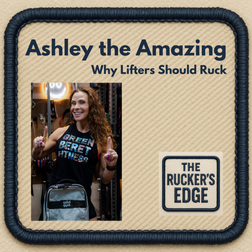
Why Lifters Should Be Rucking: Strength, Recovery, and Longevity with Ashley the Amazing
Many strength athletes avoid cardio because they worry it will interfere with muscle growth and strength gains. But what if the right kind of conditioning could actually make you a better lifter? In this episode of The Rucker's Edge, Spencer sits down with Ashley the Amazing, Army veteran, former professional bodybuilder, endurance athlete, Olympic weightlifting coach, and kinesiology professor, to explore why rucking may be one of the most overlooked tools in a strength athlete's training program. Ashley explains how rucking can improve recovery, cardiovascular fitness, tendon health, bone density, work capacity, and longevity while helping athletes avoid common mistakes that can lead to overtraining or loss of performance. They also discuss how lifters can safely add rucking into their weekly training routine, common misconceptions about rucking, and why this simple activity can benefit everyone from competitive strength athletes to beginners just looking to improve their health. Whether your goal is building strength, improving conditioning, or staying active for decades to come, this episode will help you understand where rucking fits into the bigger picture. What You'll Learn: How rucking supports strength and hypertrophy goals The relationship between cardiovascular fitness and recovery How rucking improves tendon health and bone density Why rucking can help improve longevity and overall health Common misconceptions lifters have about rucking How to add rucking to a strength training program Why women and youth are often overlooked in the rucking community The interference effect explained Practical recommendations for getting started safely Links & Resources: The Rucker's Edge – Official Site Follow The Rucker's Edge on Instagram: @theruckersedgepod Follow Ashley the Amazing on Instagram: @Ashley__The__Amazing__ Notes: Music Credit: "Play This Game" by Black Rhomb. Disclaimer: The information presented in this episode is for educational purposes only and should not be considered medical advice. Always consult a qualified healthcare professional before beginning any exercise program or making changes to your health, fitness, or nutrition routine.
Blister Prevention for Ruckers: Socks, Shoes, and Foot Care with Alex Thrasher from Mudgear (Part 2 of 2)
Most ruckers don't quit because of fitness. They quit because their feet hurt. In Part 2 of my conversation with MudGear founder, Alex Thrasher, we move from understanding blisters to preventing them. Alex shares a foot care system that covers what to do before, during, and after a ruck to reduce hot spots, prevent blisters, and keep your training on track. We discuss sock selection, toenail care, foot preparation, lacing techniques, when to stop and address a hot spot, blister management strategies, compression socks, recovery methods, and common myths about foot toughness and expensive boots. Alex also shares stories from the Appalachian Trail and the Camino de Santiago, including lessons learned from hiking through rain-soaked trails where foot care became the difference between finishing strong and suffering through every step. If you've ever struggled with blisters, hot spots, foot pain, or simply want to keep your feet healthy during longer rucks, this episode is packed with practical advice you can use immediately. In This Episode Why toenail care matters more than most ruckers realize The importance of clean feet and debris-free socks How to choose the right sock for rucking Why Alex prefers thin merino wool socks over thick hiking socks The pros and cons of toe socks and sock liners When to stop and address a hot spot during a ruck How to treat blisters in the field Why changing socks can save a training session Post-ruck recovery strategies for healthier feet Compression socks: during the ruck or after? The truth about "toughening up" your feet Why expensive boots don't guarantee blister prevention Lessons learned from the Appalachian Trail and Camino de Santiago Alex's number one foot care takeaway for every rucker Links & Resources: The Rucker's Edge – Official Site Follow The Rucker's Edge on Instagram: @theruckersedgepod MudGear's Website Episodes Mentioned in the Episode: Episode 46: Blister Prevention for Ruckers: Socks, Shoes, and Foot Care with Alex Thrasher (Part 1 of 2) Episode 35: Foot Health and Injury Prevention with Dr. John Ritter Episode 39: Mark Jones on Rucking Performance and World Record Preparation Notes: Music Credit: "Play This Game" by Black Rhomb. Disclaimer: The information presented in this episode is for educational purposes only and should not be considered medical advice. Always consult a qualified healthcare professional before beginning any exercise program or making changes to your health, fitness, or nutrition routine.

Blister Prevention for Ruckers: Socks, Shoes, and Foot Care with Alex Thrasher from Mudgear (Part 1 of 2)
Blisters can turn a great ruck into a miserable experience. In this episode of The Rucker's Edge, Spencer sits down with MudGear founder Alex Thrasher to discuss one of the most important topics in rucking: blister prevention. Alex explains why blisters happen, the three factors that create them, and how ruckers can dramatically reduce their risk through better sock selection, footwear choices, lacing techniques, and moisture management strategies. They also discuss the pros and cons of boots versus trail running shoes, why waterproof footwear isn't always the best choice, how heel-lock lacing works, and lessons Alex learned from years of hiking and endurance events. Whether you're preparing for your first 5-mile ruck or training for a long-distance event, this episode will help you keep your feet healthy and your training consistent. In This Episode Why blisters form and what causes them The three ingredients that create blisters Merino wool vs cotton socks Moisture management strategies for ruckers How proper footwear fit reduces friction Heel-lock lacing and why it matters Boots vs trail running shoes for rucking Why waterproof footwear can create problems Lessons from the Appalachian Trail and Camino de Santiago Common foot care mistakes ruckers make Practical blister prevention strategies for beginners and experienced ruckers Links & Resources The Rucker's Edge – Official Site Follow The Rucker's Edge on Instagram: @theruckersedgepod MudGear's Website Episodes Mentioned in the Episode: Episode 35: Foot Health and Injury Prevention with Dr. John Ritter Episode 39: Mark Jones on Rucking Performance and World Record Preparation Notes: Music Credit: "Play This Game" by Black Rhomb. Disclaimer: The information presented in this episode is for educational purposes only and should not be considered medical advice. Always consult a qualified healthcare professional before beginning any exercise program or making changes to your health, fitness, or nutrition routine.
Testing Your Rucking Training (Training with a Ruck Series Part 3 of 3)
If you've been training with a ruck but haven't chosen an event yet, this episode will help you find your next challenge. Spencer breaks down the landscape of ruck events, from beginner-friendly charity rucks and community gatherings to competitive races, GORUCK Challenges, Green Beret Fitness endurance events. You'll learn what each event involves, who it's best suited for, how much preparation it requires, and how to choose the right event based on your goals. Whether you're looking for community, competition, personal growth, or an opportunity to test your limits, there's a ruck event designed for you. In This Episode Why having an event on the calendar can improve consistency and motivation The benefits of charity rucks and community-based events How ruck divisions are changing traditional endurance races What makes Ruck Race League unique Differences between GORUCK Basic, Tough, and Heavy events Why team dynamics are central to GORUCK Challenges What to expect from Green Beret Fitness events The role of navigation, self-sufficiency, and decision-making in selection-style events How to determine which type of event best fits your goals Key preparation considerations before registering for any ruck event Links & Resources: Sam's website: Ruckwithsam.com Ruck Race League GORUCK Green Beret Fitness The Rucker's Edge – Official Site Follow The Rucker's Edge on Instagram: @theruckersedgepod Notes: Music Credit: "Play This Game" by Black Rhomb. I'm not a doctor, and this podcast is for informational and entertainment purposes only. Please consult with your physician before starting any new exercise or physical activity.
Strength Training with a Ruck Featuring Drew Snarey from Frontline Athletic (Training with a Ruck Series 2 of 3)
In Part 2 of our Training with a Ruck series, Drew Snarey from Frontline Athletic joins the show to explain how a rucksack can become a surprisingly effective strength-training tool. From squats and step-ups to carries, rows, presses, and core work, Drew breaks down the exercises that deliver the biggest return on investment and explains how to integrate them into an existing rucking routine. The conversation also explores the role of recovery, sleep, progressive overload, and why many people sabotage their progress by doing too much too soon. If you've ever wondered how to get more out of your ruck beyond simply walking, this episode provides a practical roadmap for building strength with the gear you already own. In This Episode Drew's background in law enforcement and functional fitness Why rucking can complement traditional strength training The stabilizer-muscle advantage of training with a ruck Lower-body exercises including squats, step-ups, and deadlifts Upper-body movements such as rows, curls, carries, and presses Core exercises that work exceptionally well with a rucksack How to build a simple weekly strength-training plan Recovery, sleep, and nutrition considerations Common mistakes new ruckers make Why consistency matters more than intensity Related Episodes: Part 1 of the Training with a Ruck Series (6 Rucking Workouts That Significantly Improve Your Conditioning) Links & Resources Frontline Athletic's Website Frontline athletic on Instagram The Rucker's Edge – Official Site Follow The Rucker's Edge on Instagram: @theruckersedgepod Notes: Music Credit: "Play This Game" by Black Rhomb. I'm not a doctor, and this podcast is for informational and entertainment purposes only. Please consult with your physician before starting any new exercise or physical activity.
6 Rucking Workouts That Significantly Improve Your Conditioning (Training with a Ruck Series Part 1 of 3)
Some ruckers use their ruck the same way every time: same route, same pace, same weight. And while long rucks are great for endurance and general health, they are only one piece of what a ruck can do for your fitness. In this episode of The Rucker’s Edge Podcast, Spencer breaks down six conditioning methods that can dramatically improve your cardiovascular fitness, work capacity, and overall performance using only a ruck and the environment around you. You’ll learn: How to use intervals with a ruck Why hill repeats are brutally effective How stadium workouts build conditioning fast What EMOMs are and how to apply them to rucking How to structure ruck circuits Why pace work matters for improving fitness This episode also kicks off a three-part series exploring different ways to use a ruck beyond the standard long-distance walk. Whether you’re training for better fitness, fat loss, GORUCK events, or simply trying to get more from your rucking routine, this episode gives you practical workouts you can start using immediately. Links & Resources: The Rucker’s Edge – Official Site Follow The Rucker’s Edge on Instagram: @theruckersedgepod Notes: Music Credit: “Play This Game” by Black Rhomb. I'm not a doctor, and this podcast is for informational and entertainment purposes only. Please consult with your physician before starting any new exercise or physical activity.
Rucking for a Cause: Using Rucking to Raise Awareness for Arthritis
Travis Chapman from RUCKFWD joins The Rucker’s Edge Podcast to share how rucking became the first form of fitness he could consistently stick with after years of starting and stopping gym routines. He also discusses how he's using rucking to bring awareness and raise funds for a health condition that hits close to home: arthritis. We discuss: How he discovered rucking through GORUCK His experience progressing from 1-mile rucks to longer challenges The inspiration behind RUCKFWD Why he launched the Ruck Arthritis Challenge Living alongside arthritis Building positivity and community through rucking This episode is an honest conversation about movement, purpose, consistency, and using fitness to create positive change. Links & Resources RUCKFWD RUCKFWD on Instagram: @RUCKFWD The Rucker's Edge – Official Site Follow The Rucker’s Edge on Instagram: @theruckersedgepod Notes: Music Credit: 'Play This Game' by Black Rhomb. I'm not a doctor, and this podcast is for informational and entertainment purposes only. Please consult with your physician before starting any new exercise or physical activity.
1 of 6