WorldSnap – Geopolitics , Global Power Plays and International

WorldSnap – Geopolitics , Global Power Plays and International

by World Snap

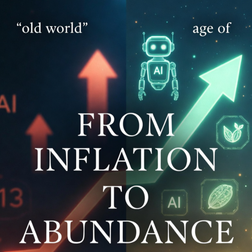
How AI Will Rewrite Global Economic Rules: From Inflation to an Age of Abundance

In this calm and thoughtful episode, we explore one of the most important questions about our future: Can artificial intelligence completely rewrite the rules of the global economy? We move from the old world of scarcity and inflation fears to a possible new era of abundance — where goods and services become plentiful and cheap, work becomes optional, and Universal High Income might finally make sense. Drawing from ideas shared by Elon Musk and others, we calmly examine both the optimistic vision of technological abundance and the realistic concerns about transition challenges, inequality, incentives, and remaining physical limits. What happens to work, money, and meaning when AI drives massive productivity gains? Will we see gentle deflation instead of inflation? How should societies prepare? This is a reflective, balanced discussion perfect for anyone interested in the future of economics, technology, and human life in the AI era. AI voice disclosure: This episode uses Minimax TTS for narration. If you enjoy deep, calm explorations of big ideas, please like, subscribe, and share your thoughts in the comments — what do you think the world will look like when abundance arrives?

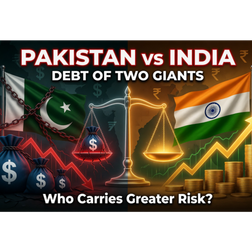
Pakistan vs India: Debt of Two South Asian Giants – Who is at Greater Risk and Why the Outcomes Differ So Much

In this calm yet eye-opening episode, we compare the debt situations of Pakistan and India — two neighboring South Asian giants with shared history but dramatically different paths. We break down the numbers: debt-to-GDP ratios, external vs domestic debt, debt servicing burden, foreign reserves, currency risk, and growth rates. While Pakistan struggles with slower growth, heavy external dependence, and tight budgets, India benefits from its massive economic scale, domestic financing, and stronger momentum. This is not just a numbers game — it’s a story of decades of policy choices, structural differences, and what truly determines long-term economic resilience. Whether you’re interested in geopolitics, global economy, or lessons for developing nations, this episode offers clear, timeless insights without daily news noise. 🎙️ Perfect for anyone who wants to understand why the same-looking debt can feel completely different depending on the country.
The Silent War of Shields: How China, Russia, and the US Compete in Air Defense Markets

AI
While headlines focus on missiles and open conflicts, a much quieter battle is reshaping global power. In this episode, we explore the “Silent War of Shields” — the intense but low-profile competition between China, Russia, and the United States to sell air defense systems around the world. Discover how Russia’s powerful S-400, America’s advanced integrated networks (Patriot, THAAD, Aegis), and China’s affordable HQ-9 each bring different strengths to the market. We look at the real factors behind every sale — price, politics, performance, and long-term deals involving oil and trade. From budget-friendly options to top-tier technology, this calm and balanced discussion reveals how these invisible shields are quietly influencing security, alliances, and stability across the globe. Whether you’re interested in geopolitics, military strategy, or international relations, this episode offers timeless insights into one of the most important yet under-discussed competitions of our time.

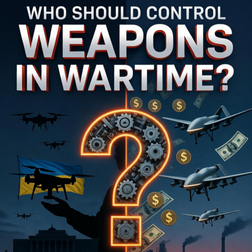
Government vs Private Sector: Who Should Control Weapons in Wartime?

In March 2026, President Zelenskyy revealed that Ukrainian private companies had secretly built around 10 interceptor drone factories abroad, bypassing government export controls to chase profits. One firm alone sold 1,000 drones overseas for $3.5 million while the Ukrainian army faced shortages at home. This episode dives deep into the timeless tension: In a real war, who should control the weapons industry — the government or private businesses? We explore the rapid rise of Ukraine’s private drone sector, the risks of “war capitalism,” historical lessons from World War II, successful models from Israel and Turkey, and the long-term global consequences as cheap drone technology spreads worldwide. We also bring the discussion closer to home, discussing what Southeast Asia and Thailand can learn as they develop their own drone programs. Whether you’re interested in geopolitics, defense technology, or the ethics of war, this balanced and thoughtful conversation will give you new perspectives.

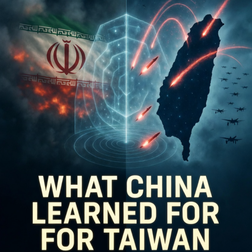
What the Iran Conflict Teaches China About Facing the United States in a Taiwan Scenario

In this calm and balanced episode, we explore the real lessons from the recent Iran conflict and what they mean for China’s future plans regarding Taiwan. We break down why American and allied air defenses performed so well, the massive difference geography makes between the Middle East and the Taiwan Strait, the power of swarm attacks, the huge cost of modern warfare, and the smarter hybrid strategies China might choose instead of a direct invasion. No hype, no panic — just clear, thoughtful analysis on technology, numbers, geography, and why peace in the Taiwan Strait matters for all of Asia. Whether you’re interested in geopolitics, military strategy, or how global events affect everyday life in Southeast Asia, this episode gives you the big picture without the noise.

Denmark’s Quiet Revolution: The 2026 Election That Shook Europe

AI
On March 24, 2026, Denmark held a landmark general election. The Danish People’s Party, running on strict immigration controls and cultural protection, tripled its seats in a dramatic surge. At the same time, the long-ruling Social Democrats suffered their worst result in over a century. In this episode we calmly unpack the numbers, the history, the root causes, and the far-reaching ripple effects across Scandinavia, the EU, NATO, and global migration patterns. From “Fortress Europe” to lessons for Asia, Africa, and the Americas, we explore how this shift could reshape power balances, borders, and the world order for the next decade.

Presidential Power vs Congress: How the Supreme Court Reclaimed Tariff Authority

In this calm and thoughtful episode, we explore one of the most important checks on executive power in recent years. The US Supreme Court ruled 6-3 that President Trump could not use the International Emergency Economic Powers Act (IEEPA) to impose broad tariffs on imports from nearly every country. What started as a case about educational toys and wine imports became a landmark decision about the separation of powers. We walk through the background of IEEPA, the constitutional principle at stake, the court’s reasoning, and what this means for future trade policy, global supply chains, and everyday consumers. Even if you listen years from now, the core lesson remains powerful: thoughtful limits on authority protect democracy and stability in the long run. This is geopolitics, constitutional law, and economics explained clearly and without hype.

Why Russia's Economy Refused to Collapse Under Western Sanctions

AI
In early 2022, experts confidently predicted that sweeping Western sanctions would crush Russia’s economy within months. Years later, the economy is still functioning, shops are stocked, salaries are paid, and the ruble has stabilized. In this episode, we explore the surprising factors behind Russia’s resilience: massive natural resources redirected to Asia, creative “parallel trade” supply chains, swift central bank actions, defense spending as an economic engine, import substitution, and the role of non-Western countries that kept trading. We also discuss the human costs, long-term structural weaknesses, and key lessons for the world about sanctions, energy security, and building economic self-reliance. This is a story of adaptation, hidden strengths, and the limits of economic pressure in today’s multipolar world.

Why Air Defense Systems Decide the Fate of Modern Wars

AI
In modern conflicts, controlling the sky has become more important than ever. This episode explores why layered air defense systems – from long-range radars to close-in protection – have emerged as the decisive factor in warfare. We take a calm, balanced journey through the “onion skin” layers of defense, the high cost of intercepting cheap threats like drones, the critical role of human operators, and how passive tactics like camouflage make shields even stronger. Discover how strong air defenses deter aggression, enable offensive operations, and protect not just soldiers but cities, airports, and everyday life. From the constant race between offense and defense to emerging technologies like AI and lasers, this episode reveals the quiet forces shaping global stability and the future of conflict. Whether you're interested in geopolitics, military strategy, or international security, this thoughtful discussion offers timeless insights into why the battle for the skies often decides what happens on the ground.
9 of 9