WorldSnap – Geopolitics , Global Power Plays and International

WorldSnap – Geopolitics , Global Power Plays and International

by World Snap

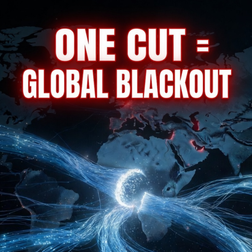
Why Submarine Cables Are the Achilles’ Heel of Global Digital Sovereignty
AI
What if your internet, banking, and global communications suddenly went dark — not from a cyberattack, but from a single cut on the ocean floor? In this episode, we explore why submarine cables carry 95-99% of international data and have become the ultimate weak point in our digital world. From easy gray-zone sabotage and weeks-long repair delays to the limits of satellite backups and shifting power between governments and tech giants, we uncover how fragile true digital sovereignty really is. A must-listen for anyone who wants to understand the hidden infrastructure shaping geopolitics, economies, and daily life in the 21st century.

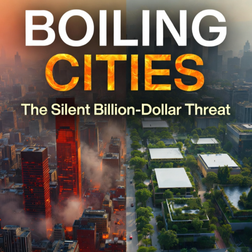
Boiling Cities: The Silent Killer Draining Economies and Lives
AI
Cities around the world are getting dangerously hotter — not just from climate change, but from the concrete and glass we build. In this episode, we unpack the urban heat island effect: why cities can be 7–20°C hotter than surrounding areas, the massive economic costs in energy, productivity, and healthcare, and the surprising financial wins from smart solutions. From reflective roofs in New York and cool pavements in Phoenix to restored rivers in Seoul and green corridors in Medellín, we explore real-world strategies that save money, protect health, and boost property values. Whether you’re an investor, policymaker, or city resident, this episode reveals why cooling our cities is one of the smartest economic decisions of our time.

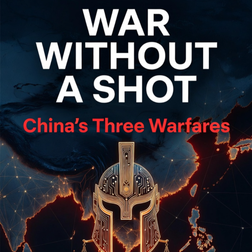
Winning Without Weapons: Inside China’s Three Warfares Strategy
AI
In this episode, we explore one of the most powerful and least understood strategies in modern geopolitics: China’s “Three Warfares.” Discover how Beijing combines Public Opinion Warfare, Psychological Warfare, and Legal Warfare (Lawfare) to influence global narratives, weaken opponents’ resolve, and reshape the world — all without firing a single shot. From the South China Sea and Taiwan to economic partnerships and technology standards, we break down real-world examples, explain how the three pillars work together, and discuss what this quiet revolution means for the future of conflict, alliances, and everyday global affairs. Whether you’re a student of international relations or simply want to understand the hidden forces shaping our world, this episode will change how you see power in the 21st century.

Why Bab el-Mandeb Has Become the World’s Most Dangerous Chokepoint
AI
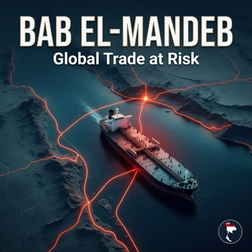
Imagine a giant oil tanker leaving Saudi Arabia’s Red Sea port… but instead of taking the usual short route, it turns south toward a narrow strait most people have never heard of. In this episode, we explore why the Bab el-Mandeb Strait has quietly become one of the most critical — and dangerous — chokepoints on the planet. We look at how this tiny 29-kilometer-wide passage connects three continents, carries 12% of global trade and 10% of the world’s traded oil, and why even Saudi Arabia is now rerouting its tankers because of tensions in the Strait of Hormuz. From the domino effect between Hormuz and Bab el-Mandeb, to the real risks of attacks and blockages, the costly detour around Africa’s Cape of Good Hope, and what it all means for oil prices and everyday life in Thailand — this is a calm, thoughtful look at the fragile arteries of our global economy. This is not just today’s headline. The geography hasn’t changed, trade keeps growing, and these narrow passages will remain vital for years to come.

“Honest Living” or Deportation: Why Sweden Is Changing the Rules for Migrants
AI
Sweden was once celebrated as Europe’s most generous “humanitarian superpower.” But in 2026, the government proposed a controversial new law: migrants must live an “honest life” (bristande vandel) — or risk losing their residence permit and facing deportation. What does “honest living” really mean? Why is Sweden changing course after years of open-door policies? And can generous welfare systems survive if newcomers aren’t expected to contribute? In this thoughtful episode, we explore the economic realities, the erosion of social trust, success stories of real integration, voices of concern from human rights groups, and what this shift means for Europe and the world. A calm, balanced look at one of the biggest migration debates of our time.

North Korea’s Hidden Engine: How One Rocket Test Could Slowly Reshape the World
AI
In a quiet mountain valley in North Korea, a powerful new solid-fuel rocket engine roared to life while the leader watched closely. What looked like one technical test may quietly signal a deeper shift in global power. In this thoughtful episode, we explore the science behind the lighter, stronger carbon-fiber engine, why solid fuel changes the game, and how this development ripples across East Asia and beyond. From worried neighbors in South Korea and Japan to subtle shifts in superpower balance, we also gently examine what it means for trade, energy prices, and regional stability in Southeast Asia – including Thailand. Blending calm storytelling with balanced analysis, this episode looks at missiles not just as weapons, but as tools of negotiation, persistence, and long-term strategy. Perfect for anyone who wants to understand the bigger picture without the daily noise.

The Three Chokepoints That Control Global Oil: Hormuz, Bab el-Mandeb & Malacca
AI
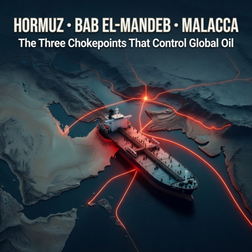
What if three tiny strips of water could suddenly raise the price of fuel and affect almost everything you buy? In this episode, we take a calm, thoughtful journey into the three most important chokepoints that control global oil: the Strait of Hormuz, Bab el-Mandeb, and the Strait of Malacca. Together, these narrow passages carry nearly 30% of the world’s traded oil every day. We explore how oil flows through this invisible global highway — from the Persian Gulf through Hormuz, past Bab el-Mandeb and the Suez Canal, or eastward through the busy Strait of Malacca to Asia. We also look at the real risks, the domino effect when one strait faces trouble, the costly detours ships must take, and the long-term efforts to make the system more secure. This is not just today’s headline. The geography hasn’t changed, trade keeps growing, and these strategic passages will remain vital for years to come. A deep yet accessible look at the fragile arteries that keep our modern world running.

Germany’s Travel Control vs Norway’s Gender-Equal Army: Two European Paths to Military Readiness
AI
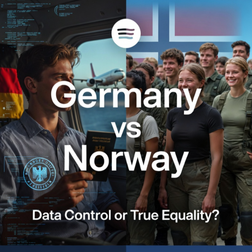
In this thoughtful exploration, we compare two fascinating European approaches to military service in the 21st century. Germany has introduced new rules under its Military Service Modernization Act: men aged 17–45 must now seek Bundeswehr approval for stays abroad longer than three months. It’s not full conscription, but a quiet system of data control to strengthen reserves while keeping daily life mostly uninterrupted. In contrast, Norway runs one of Europe’s most progressive models — selective, gender-neutral conscription since 2015. Both young men and women register, and only the most motivated and capable (about 17% of the age group, with women making up roughly one-third) serve 12–19 months. Many Norwegians actually compete to get in, seeing it as a prestigious and valuable experience. We dive deep into the reasons behind each system, their real-life effects on young people’s education and careers, the trade-offs between personal freedom and national security, gender equality perspectives, societal impacts, and timeless lessons for other countries. A calm, balanced look at how nations balance duty and liberty in an uncertain world.

Strait of Hormuz: The Chokepoint That Controls Oil… and Global Food
AI
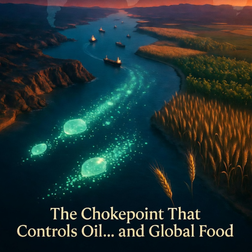
In this thoughtful episode, we explore one of the world’s most critical yet overlooked chokepoints — the Strait of Hormuz. While most people see it only as an oil route, this narrow 21-mile waterway also controls a massive share of global fertilizer trade. Discover how disruptions here quietly ripple through fertilizer production and transport, affecting everything from wheat and rice yields to cooking oil, sugar, meat, and milk on dinner tables worldwide. We follow the journey from natural gas in the Persian Gulf to the fields that feed billions, and examine the deeper, longer-lasting impacts on food security. From the hard choices faced by farmers to the human cost in vulnerable communities — especially children at risk of stunting and long-term hunger — this episode connects distant geopolitics to everyday life with calm, human storytelling. A timely yet evergreen look at global interconnection, resilience, and the hidden foundations of the food we eat every day.

How Surging Oil Prices Are Crushing ASEAN’s GDP

AI
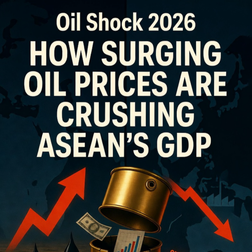
When oil prices surge, it’s not just your fuel bill that hurts — it quietly slows down entire economies. In this episode, we dive deep into how rising oil prices are impacting ASEAN’s GDP in 2026. From Thailand importing 92% of its oil needs to the Philippines facing 98% dependence, we explore why Southeast Asia is especially vulnerable. Discover the chain reaction: higher transport and electricity costs → rising inflation → weaker currencies → slower economic growth. We break down the real numbers, compare the impact on Thailand, Philippines, Vietnam, Indonesia, Malaysia, and Singapore, and examine the risk of stagflation. Most importantly, we discuss practical solutions and the silver lining — how high oil prices could accelerate the shift toward clean energy, EVs, and stronger regional cooperation. If you live or do business in ASEAN, this episode explains exactly why fuel prices matter to your wallet and the region’s future.
8 of 9