Unsung Podcast

Unsung Podcast

by Unsung Podcast
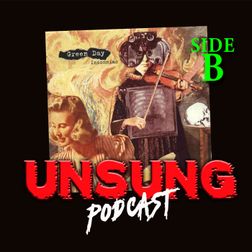
Is Insomniac by Green Day an Unsung Classic? (Side B) w/ Rick Bruce from Coffin Mulch/Moondshine Docs - 379
Explicit
You may be shocked to hear that Green Day have a lot of songs. Some may say, in fact, that they have too MANY songs, because there does come a point where they all just blend into on another. In this episode we explore this phenomenon, and it is exclusively (in our view) an issue that plagues the latter half of their career. We cover everything from American Idiot to Saviors, and whilst not all of these albums are afflicted in such a way, it definitely seems to become more prevalent as we more closer to the present era. We also ask a crucial question - is Green Day punk? The answer is probably not quite what you expect, but we do debate the finer points. Suggesting that perhaps they could be Schrodinger's punx... All this leads us to trying to answer the real question - is Insomniac Green Day's unsung classic? Let's find out. Highlights: 00:00 Intro 01:53 Car Album Debate 05:07 Legacy Act Question 09:31 Setting Up American Idiot 10:24 American Idiot Phenomenon 14:22 Stadium Band Status 23:08 Broadway And 21st Century 31:15 Uno, Dos, Tre And Rehab 35:38 Revolution Radio To Father Of All 37:38 Father of All Reappraisal 39:03 Critics vs Short Runtime 39:49 Side Projects and Salty Pretzel 43:18 2020 Output and Pandemic Era 44:18 Saviors and Derivative Sounds 48:42 Compression and Phone Listening 52:49 Is Green Day Punk? 01:00:28 Defining Punk and Yardsticks 01:19:59 Insomniac Context and Backlash 01:21:21 Critics and Rawness 01:22:22 Sales and Fan Backlash 01:24:01 Honest Bridge Album 01:26:28 Opening Tracks and Tone 01:30:29 Singles and Track Picks 01:32:56 Production and Gear Talk 01:39:54 Songwriting and Label Control 01:53:48 Closing Tracks and Verdict 01:59:22 Wrap Up and Goodbyes

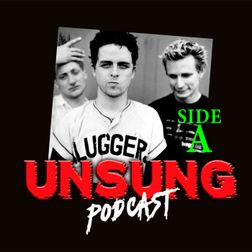
Is Insomniac by Green Day an Unsung Classic? (Side A) - 378
Explicit
Could it be done? Is it possible to call anything Green Day have ever released both unsung AND (crucially, because there's a fair bit of 'meh' in their catalogue) good? Well folks, this week and next we're going to do our very best to find out. And we're joined by our good friend Rick Bruce from Coffin Mulch and Moonshine Docks. Our contention? That their fourth album, Insomniac, is an unsung classic. This is all relative of course--in the 90s and 00s they sold bucket loads of records. How many people had copies of their records knocking about in their car footwells before 2010? Probably millions. And it hasn't stopped. They're still pulling down millions of streams per month. Objectively, they are huge. And somewhat less objectively, they're probably the biggest punk band ever, and certainly one of the biggest bands on earth. I mean, Insomniac itself isn't even their lowest selling record. And in this episode, we don't even get to it! It's a two parter after all. No, in this episode we talk about everything from the 1000 Hours EP right up to, and including, Warning. With a brief detour into Pinhead Gunpowder too. We'll tackle Insomniac itself in our next episode--as is our way. Timestamps: 00:00 Introduction 02:08 Green Day at the Super Bowl 04:47 Is It Even Possible for Green Day to be Unsung?! 05:23 Support us on Patreon 06:53 Mark's Album-a-Day Project, Power Pop Rabbit Holes & Mic Banter 08:45 Green Day 101: Origins, Pop-Punk Blueprint & Gilman Street 10:51 Influences Deep Dive: Hüsker Dü, Replacements, Costello, Op Ivy & More 15:21 Which Album Is Unsung? Debating Kerplunk, Nimrod & Insomniac 20:27 Early Timeline: Sweet Children, 1,000 Hours EP & 39/Smooth Era 22:40 Scene Discipline vs Scottish Modesty: Getting Good on Purpose 33:03 Kerplunk Breakthrough, Major-Label Controversy & Setting Up Dookie 35:27 How I First Bought Dookie (and Why It Wasn't a 5/5 Yet) 37:03 1994: The Year Pop-Punk Exploded (Offspring, NOFX, Weezer & More) 38:04 Green Day's Mainstream Breakthrough: MTV, Grammys, and the Blink-182 Ripple Effect 43:56 Insomniac (1995): Darker, Faster, Burnout After Fame 46:55 Nimrod (1997): 'Good Riddance' and the Genre-Hopping Era 51:38 Seeing Green Day Live: Glasgow Shows, Merch Regrets, and Peak Memories 53:17 Do Novelty Songs Ruin Pop-Punk? The Big Debate (Descendents, The Offspring, Blink) 59:50 Warning (2000): Polished Pivot, Chasing Hits—or Underrated Growth? 01:09:12 From Warning to American Idiot: The Stolen 'Cigarettes & Valentines' Sessions 01:12:12 On the Cusp of American Idiot (Wrap-Up & Next Part Tease)

The Life and Times of Charles Bradley - 377
Explicit
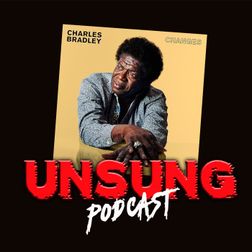
Charles Bradley’s cover of Black Sabbath’s Changes is one that both hosts of this podcast believe could well be the definitive version of the song. And we say that having done three episodes on Black Sabbath — an odyssey that gave us both a newfound appreciation for one of, if not the, most important metal bands to have ever existed. Changes itself is a great song, but this emotional reworking casts an entirely new light on its meaning and power. That, in turn, led us to dive into the work — and world — of Charles Bradley. Much was (rightly) made of Bradley when the then 62-year-old “Screaming Eagle of Soul” burst into public consciousness in 2011 with his debut album No Time for Dreaming. He was met with widespread critical acclaim, and the record proved a major success for his label, Daptone Records. From there, he went from strength to strength, releasing two more albums before his untimely death in 2016 from stomach cancer. A former James Brown impersonator, Bradley’s life was one of tremendous hardship, which ultimately saw him achieve his greatest dream. He burned brightly and briefly, and his final record, Changes — named after the excellent Sabbath cover nestled within — is a remarkable work to bow out with. In this episode, we talk all about his life, through the lens of the 2011 documentary Charles Bradley: Soul of America, before discussing some of our favourite soul covers of rock songs. If you enjoyed this episode, do take some time to check out our Patreon, where you can get early access to episode (with no ads), bonus content and much more.

The Dark Side of David Bowie and 1970s Groupie Culture - 376
Explicit
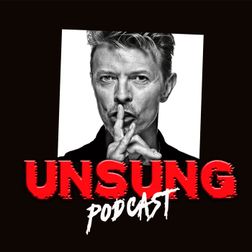
Bowie fans have long found ways to make peace with some of the more unsavoury aspects of his character and behaviour during that decade. His Thin White Duke persona highlights what, by his own admission, were “the darkest days” of his life. And while he was quick to distance himself from that character as he grew older, its influence on certain members of the British far right certainly left a mark. Yet there is a much darker period of his life than this. It is now a matter of record that he was in sexual relationships with both Lori Maddox and Sable Starr — perhaps the two most infamous “baby groupies” of the early ’70s — when they were just 13 and 15 years old, respectively. Grim stuff all round. We’ll be exploring both of these aspects of his life in this week’s episode, as well as the wider “baby groupie” culture of the era. This episode raises questions about separating the art from the artist, the role of 1970s rock culture, and the personal responsibility of fans. Join us as we navigate the challenging waters of moral grandstanding and personal hypocrisy, questioning if, and how, we can reconcile admiration for Bowie’s art with the transgressions of the man himself. Highlights 00:00 Introduction 00:38 Unfinished Business with David Bowie 02:26 Trigger Warnings 04:05 David Bowie's Complex Legacy 13:57 Fascism and Controversial Statements 38:50 Sexual Misdeeds and Allegations 41:05 Introduction to Statutory Rape in Rock Culture 41:30 The Story of Dana Gillespie and David Bowie 42:34 Lori Maddox and the Baby Groupies 43:29 Sable Starr and the Rock Scene 45:05 The Culture of Underage Groupies 47:24 Laurie Maddox's Relationship with David Bowie 56:51 Jimmy Page and Laurie Maddox 01:00:06 The Wider Problem in Rock Culture 01:07:45 Modern Reflections on Past Actions 01:14:58 Conclusion and Final Thoughts

Is The Warrior by Scandal a True Unsung Classic? - 375
Explicit
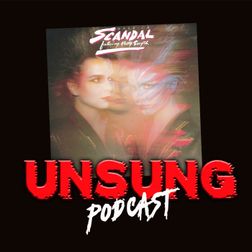
We're back after a fairly shambolic three weeks in our lives (redundancy sure does suck) with this slice of fried gold from the 1980s. You've almost certainly heard the lead single from this record. In fact, the question as to who the singer is of the song "The Warrior" has quite likely come up on a pub quiz at some point, and you've quite likely got the answer wrong. The answer is not, as you may think, Pat Benetar. It's Patty Smyth. The single this album is named after was an 80s hit, and penned by the legendary Holly Knight. We won't go into a huge amount of detail on her here, but suffice to say we think she's criminally underrated given some of the ginormous tunes she penned in the 80s. Indeed, we cover that in extensive detail in our episode on her short-lived band Device. Scandal imploded soon after this record was released, and members of the band, Patty included, went on to have varying degrees of success in the late 80s and early 90s. Patty Smyth's story itself is a fascinating one, so fascinating in fact that we actually forgot to talk all about her marriage to Television's Richard Hell. That one glaring omission aside, we do a pretty deep dive into Scandal and her career afterwards. HIGHLIGHTS: 00:00 Introduction and Pub Quiz Banter 00:35 Scandal and Patty Smyth: The Early Days 01:22 The Warrior and MTV Success 03:29 Classic Bands and Radio Challenges 05:03 Band Dynamics and Touring 07:24 Patty Smyth's Solo Career and Label Issues 18:31 Declining Van Halen and Family Priorities 21:19 Reunions and Later Years 27:12 Unreleased Tracks and MTV Hits 27:25 Goodbye to You and Other Hits 28:46 Fun Facts and Jimmy Fallon Appearance 29:39 Brian Adams Cover and Other Tracks 31:53 Christmas Album and Charity Work 33:22 The Warrior Album Review 34:44 Songwriting and Collaborations 38:40 The Warrior Music Video 43:12 Journey Song and Album Critique 45:10 Legacy and Final Thoughts

The Spotify Techsodus - Should Artists Really Be Leaving the World's Biggest Streaming Platform? - 374
Explicit
This week we're diving into why bands like Godspeed You! Black Emperor and King Gizzard are pulling their music from Spotify - and why it probably won't change anything. It's a trickier situation than it seems, but the whole mess starts with Napster in 1999. 80 million people sharing MP3s illegally crashed the music industry, dropping revenue 15% in four years and creating a chain reaction that led to piracy running rampant for much of the 00s. Enter Daniel Ek in 2006 with Spotify, which was built initially using pirated music from The Pirate Bay, telling you everything about how much they value artists. But it worked. By offering free access to entire music catalogues (with ads), Spotify created something no competitor can match without hemorrhaging money. Today, 412 million people use Spotify's free tier. That's the foundation of their dominance - not the 263 million paying subscribers. But this creates an impossible situation for artists. Big names with established fanbases can afford to leave, but new artists risk invisibility. Record labels and promoters judge bands by Spotify monthly listeners and post-gig discovery relies on easy music access, meaning that pulling your music from this platform could be potentially damaging for their careers. The "just use Bandcamp" argument misses the point - it's a different business model entirely. Bandcamp is buying a car; Spotify is hiring any car you want. And as it turns out, a LOT of people prefer hiring now. But the real problem isn't Spotify - it's "technofeudalism." Tech platforms operate like medieval fiefdoms where users become trapped serfs. Artists complain about Spotify royalties while creating free content for Instagram and TikTok, which monetise their labour through surveillance capitalism. The arms investment angle (Daniel Ek's €600m in AI weapons) sounds damning until you realise Google runs military AI projects for Israel, Meta builds battlefield AR for the US military, and all big tech props up the military-industrial complex. Their conclusion is bleak: there's no way out. The market expects free music and won't change. Mass boycotts might work but won't happen. The only real solution is direct artist support - gigs, merch, Bandcamp purchases, because it's almost impossible for anyone to truly extricate themselves from terrible machinery of the current internet era. Highlights: 00:00 Introduction: Bands Leaving Spotify 00:15 The Techsodus Idea and Streaming Services 02:23 History of Music Piracy: From Napster to Spotify 07:01 Spotify's Rise and Artist Payments 16:15 Technofeudalism and the Creator Economy 28:34 Spotify's Business Model and Market Dominance 34:58 The Spotify Dilemma: Free Access and Market Expectations 35:15 Apple's Potential and the iTunes Model Revival 35:53 Bandcamp: A Hopeful Alternative? 39:17 The Discoverability Advantage of Streaming Platforms 47:15 The Moral and Practical Dilemma for Artists 59:52 The Broader Issue: Platform Capitalism and Tech Giants 01:15:00 Supporting Artists Directly is The Only Real Solution

The Mystery of Q Lazzarus - 373

Explicit
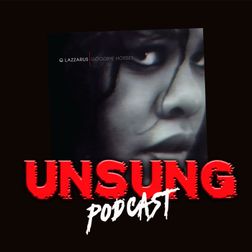
As stated at numerous points in this episode, a lot of the things discussed here can be found in the documentary Goodbye Horses: The Many Lives of Q Lazzarus. We urge you to go check out that film here: https://vimeo.com/ondemand/qlazzarus as it is a brilliant piece of work. For long time pod fans, this episode could technically be classed as part of our unsong series. But the reality is that the story of Q Lazzarus is so interesting, that it simply bursts out of the constraints of that format. Q Lazzarus/Diane Luckey, is best known for the song "Goodbye Horses", a track that you've almost certainly heard at some point in your life. It's most notable use was in the Jonathan Demme classic Silence of the Lambs, but it has been used in a bunch of films since then, and covered by an array of artists. It is, in fact, that only "official" release by Q Lazzarus. She would later go on to appear in Demme's next film, the wonderful Philadelphia, singing a cover of Roxy Music's classic tune "Heaven". After that, though, she would simply vanish from the industry entirely. So what happened? Why did this seemingly promising up and coming artist, who had two huge brushes with fame, suddenly disappear without trace? Well, it's a rather complicated, and compelling, story that touches on industry discrimination, artist exploitation, and the music business's treatment of unique talents. This week we dive into that story, with the help of a remarkable documentary film called Goodbye Horses: The Many Lives of Q Lazzarus - a film that came about through an almost impossibly serendipitous encounter between filmmaker Eva Aridjis Fuentes and her mysterious subject. The documentary is available on Vimeo and you should absolutely check it out for yourself, alongside the Sacred Bones compilation of her previously unreleased works. Please note that this story deals with some heavy themes and doesn't have the resolution we might hope for, but it's an important and deeply affecting tale that deserves to be told. Highlights: 00:32 Discussing Q Lazarus and 'Goodbye Horses' 02:30 The Mystery Behind Q Lazarus 03:19 Q Lazarus's Musical Journey 05:36 The Impact of 'Goodbye Horses' 07:19 The Search for Q Lazarus 12:01 Eva Aridjis Fuentes and the Documentary 17:58 Q Lazarus's Early Life and Career 30:37 The Duality of Q Lazarus and Diane Luckey 31:36 The Role of Luck in Diane's Life 32:52 Career Setbacks and Personal Struggles 34:00 Heartbreak and Disillusionment 34:57 Descent into Darkness 38:10 A Glimmer of Hope: Motherhood and Redemption 39:47 The Unreleased Works and Legacy 42:12 The Battle for Royalties 44:17 The Impact of Goodbye Horses 53:16 The Unfulfilled Potential and Legacy Tours 57:31 Final Thoughts and Reflections

Is Hulk Hogan's Entrance Music the Best Wrestling Theme Ever? - 372
Explicit
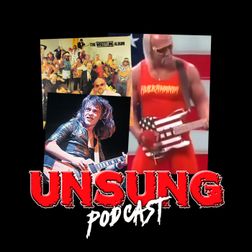
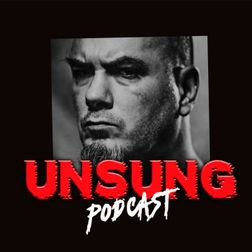
Everyone knows Hulk Hogan's entrance music, but how many know the fascinating story behind Rick Derringer's "Real American"? With the recent passing of Hulk Hogan, we thought we’d revisit a previous episode and update it with new information. Oh, and also to film the whole dang thing as we weren’t doing that back then. So, this week we’re exploring the unlikely journey of a song that became one of wrestling's most iconic themes, examining its cultural impact, political appropriation, and the complex legacy of both its creator and, in some ways, Hulk Hogan too. From Rick Derringer's impressive musical pedigree (The McCoys, collaborations with Steely Dan, producing Weird Al) to the song's evolution from US Express theme to Hogan's signature tune, we unpack how a piece of 1980s excess became a cultural touchstone - and political football. We also talk about Rick Derringer's extensive musical career and connections, the origins and evolution of "Real American"; WWE's "Rock and Wrestling Connection" era in the mid to late 80s; the song's political appropriation across decades; Hulk Hogan's controversial legacy and recent passing; the music video's gloriously over-the-top 80s aesthetic and more. Let’s fight for the right of every man. Or everyone, depending on the version you prefer. Episode Highlights 00:00 - Introduction and Hulk Hogan's recent cultural relevance 01:30 - Rick Derringer's impressive musical CV and career highlights 03:00 - The creation story: "The most patriotic song of all time" 05:30 - Wrestling music history and the Rock and Wrestling Connection 12:00 - How "Real American" became Hogan's theme (it wasn't originally!) 15:00 - Hulk Hogan's controversial legacy and recent scandals 18:00 - The Wrestling Album and WWE's musical ambitions 22:30 - The song's political life and cultural appropriation 28:00 - Iron Sheik's legendary Twitter feuds with Hogan 31:40 - Rick Derringer's own political evolution and re-recording 36:30 - The gloriously cheesy music video breakdown 41:00 - Why this song represents the 1980s perfectly 44:00 - Final thoughts on Hogan's impact and the song's enduring legacy

So What's the Deal With Phil Anselmo? - 371
Explicit
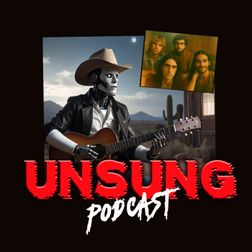
Like us, are you somewhat uncomfortable of about Pantera playing with Metallica? Why exactly might that be? We need to explore what it is about Phil Anselmo that gives people that icky feeling. This week we try to put some meat on the bones about the rumours that have dogged Anselmo for the last three decades of his career. White supremacist? Racist? Just a bit of a steamer? What is it about this guy that has gotten him this reputation? Is it merited? And if it is merited, do we have any sort of obligation to act on that? The Pattern of Behaviour It's an issue that's dogged Phil throughout his career, but came into sharp focus at the conclusion of the Dimebash concert in 2016. The thing is though, focusing too much on that fiasco is that it allows flimsy and bad faith justifications. Too much alcohol is one. "Oh, he was just trolling" is another. They've been fairly successfully passed off as excuses for not just his misdeeds that night, but his behaviour more generally. That smokescreen has enabled millions of paying Pantera fans to handwave away the evidence of their own eyes and ears. Denial is a powerful thing, especially when a band is so intrinsically tied up in the carefully guarded nostalgia of countless nineties teenhoods. Anselmo's history with white supremacist rhetoric and imagery goes back a long way. It's been scattered, downplayed, obfuscated to such an extent that it's easy to lose track. We gather all those details in one place so you can make better informed decisions about where you spend your money and what sort of behaviour we seek to excuse on literally the biggest of the world's stages. Episodes Referenced Our interview with former white supremacist turned anti-extremist advocate Arno Michaelis: https://bleav.com/shows/unsung-podcast/episodes/in-session-12-arno-michaelis-author-anti-extremism-activist-and-former-white-nationalist-side-a-360/ Slayer - South of Heaven: https://bleav.com/shows/unsung-podcast/episodes/episode-203-south-of-heaven-by-slayer/ Highlights 00:00 Introduction and Initial Reactions 00:14 Why Pantera Supporting Metallica Feels Wrong 01:02 Your Money is Your Vote: Consumer Responsibility 01:54 The Pattern Begins: Early Controversial Incidents 03:42 The Dimebash Incident: Sieg Heil on Stage 06:07 A Decades-Long History of Problematic Behaviour 21:03 Confederate Flags: Heritage Not Hate? 25:27 Dog Whistles and Lyrical Controversies 30:32 The Night Everything Changed: Dimebash 2016 31:28 What Actually Happened at the Concert 31:50 Rob Flynn Breaks Ranks 32:55 The Silence Before the Storm 33:57 From 0% to 1000% Apologetic in Three Days 35:15 The Metal Press: Complicit in the Cover-Up? 36:58 Is Metal's "Radical Freedom" Part of the Problem? 38:12 Who Is Phil Anselmo Really? 53:31 Making Informed Choices as Music Consumers Support the Show You can support Unsung via Patreon at www.patreon.com/unsungpod. Join at the lower tier for bonus content, early access, and our closed members group where you can suggest episodes. Or join the record club where you get sent records by independent bands from independent labels.

The Velvet Sundown: The AI Band Controversy Explained - What Happened and What's Next - 370

Explicit
You may have seen the AI band The Velvet Sundown pop up in the news recently and thought "well, that's weird". Long-time fans of the pod probably also thought "when are they going to do an episode on that?" Well, here it is! The Velvet Sundown - What Actually Happened? If you've been following us for a while you'll know that every 18 months or so we seem to return to broader discussions about where music and technology intersect. It began with an episode on Threatin (if you remember who Threatin is, well done) and how one man's quest for fame led to him faking a massive fanbase. A quest that ended with him playing to empty rooms across the UK, and saw him trying to retcon it into some kind of art hoax. Later, we discussed what a possible future using AI music might look like in March 2019, looking at the early attempts to create artificial intelligence music and how the data given to streaming platforms could very well be used to create music. An episode that is now quite prescient in retrospect. Mark was actually quite optimistic that a Velvet Sundown-esque AI band scenario would not come to pass. How naïve... And then in October 2023 we took a two episode deep dive into Spotify playlist manipulation, and how it began way back in the early days of radio with payola. Spotify algorithm manipulation plays a huge role in how the person/entity behind The Velvet Sundown was able to gain so much traction so quickly - reaching 1.1 million plays and potentially earning £35,000+ annually. AI Music - The Bigger Picture This week's episode continues this tradition. We cover some old ground in places (the history of AI music and playlist manipulation), but for the vast majority of the episode we break new ground. We look at the hard numbers around what this synthetic music "artist" stands to make, examine other AI-generated bands like Anna Indiana, The Devil Inside, and Aventhis, ponder both the inventive and interesting uses of artificial intelligence in music as well as the more troubling ones, and look at some possible futures in the wake of all this AI band controversy. You can also watch this episode on YouTube, if that's your thing. Link is here: https://youtu.be/04mYK3G4x5k If you've enjoyed this episode, do consider subscribing to our Patreon at www.patreon.com/unsungpod Highlights: 00:00 Introduction to The Velvet Sundown 00:36 AI in Music: From Skynet to Rei Toei 01:35 The Rise of The Velvet Sundown 03:05 AI Bands and Their Impact 07:33 History of AI in Music 17:18 Modern AI Music Innovations 33:31 The Future of AI in Music 36:10 Financial Implications of AI Bands 42:05 The Impact of AI on Job Replacement 43:43 The Uncanny Valley in AI Music 45:07 Genres and AI's Ability to Mimic Them 49:57 AI's Influence on Modern Music Production 55:21 The Rise of AI in Country Music 59:24 The Future of AI in the Music Industry 01:07:19 Ethical and Regulatory Concerns 01:21:34 Concluding Thoughts on AI in Music
2 of 46