
The Pet Parent Podcast
by Total Pet Parent

How to Transition Your Dog to New Dog Food Without Digestive Issues

Switching your dog's food sounds simple enough—until you're dealing with a week of digestive disasters and wondering where you went wrong. In this episode, Steven Whitlow breaks down the proven method for transitioning your dog to a new food without the stomach upset, accidents, and emergency vet visits that plague so many pet owners. Whether you're making the switch due to allergies, a new life stage, or simply better nutrition options, this step-by-step guide works for dogs of all ages and sizes. If you've ever dumped out the old kibble and poured in the new without a plan, this one's for you. Plan for seven to ten days for a standard food transition, or extend it to fourteen days if your dog has a sensitive stomach—rushing this process is the number one mistake pet owners make. Eyeballing food portions is where most transitions go wrong; use measuring cups or a kitchen scale to nail the ratios at each stage of the switch. Timing matters as much as technique—avoid starting a food transition during travel, holidays, moves, or any period of household stress that could compound digestive issues. Always mix the two foods together thoroughly rather than placing them side by side, since many dogs will pick out their preferred kibble and skip the rest entirely. Keep plain pumpkin puree (not pie filling) on hand as a natural remedy if mild digestive upset occurs during the transition. Large breed puppies shouldn't switch to adult food until eighteen to twenty-four months of age, while most other breeds can transition around twelve months—and senior formulas typically become appropriate around age seven. Read the full article: https://totalpetparent.com/how-to-transition-your-dog-to-new-dog-food-without-digestive-issues
Understanding AAFCO Dog Food Standards and Nutrition Labels

Ever stared at a dog food label and felt like you needed a chemistry degree to understand it? In this episode, host Jasmine Caldwell breaks down the AAFCO standards that govern what "complete and balanced" actually means on your dog's food. Drawing from her nearly decade-long experience as a groomer and lessons learned from her own senior shepherd's digestive struggles, she explains how to decode those cryptic nutrition labels and make genuinely informed feeding decisions for dogs at every life stage. AAFCO doesn't actually approve, certify, or regulate dog food directly—they write the nutritional rulebook, but your state's Department of Agriculture enforces it. There are two ways manufacturers can claim their food is "complete and balanced": formulation (meeting requirements on paper) or feeding trials (actual dogs eating the food for six months under veterinary supervision), and you can find which method was used in the nutritional adequacy statement on every compliant package. The growth and reproduction profile requires significantly more protein (22.5%) and fat (8.5%) than the adult maintenance profile (18% protein, 5.5% fat), which matters when matching food to your dog's life stage and energy needs. "Crude protein" is a laboratory measurement of nitrogen content, not a measure of quality or digestibility—meaning 28% protein from chicken is not equivalent to 28% protein from by-products and corn gluten, even though both technically meet AAFCO standards. Foods labeled "all life stages" meet the more demanding growth profile, making them safe for both puppies and adults, though large breed puppies have unique calcium and phosphorus requirements that warrant more specific formulas. The nutritional adequacy statement tucked on the back or side of every compliant dog food package tells you exactly which life stage the food targets and how it was validated. Read the full article: https://totalpetparent.com/understanding-aafco-dog-food-standards-and-nutrition-labels
How to Choose the Right Dog Food for Your Dog's Needs

Ever found yourself overwhelmed in the pet food aisle, surrounded by dozens of bags all claiming to be the best choice for your furry friend? You're definitely not alone—it's the most common question veterinary professionals hear from dog owners. In this episode, Steven Whitlow draws on over twenty years of experience working with dogs and their families to break down exactly how to evaluate dog food based on your specific dog's age, size, and health needs. Whether you have a growing puppy, an active adult, or a senior dog with special requirements, you'll walk away knowing how to read labels with confidence and make choices that can genuinely transform your dog's health. Your dog's age and size are the two most important factors in determining nutritional needs—puppies, adults, and seniors all require different calorie levels, protein amounts, and specific nutrients to thrive. Large and giant breed puppies actually need controlled calcium and calorie intake; too much of either can cause serious developmental joint problems, which is why breed-specific formulas matter. The first five ingredients on a dog food label make up the bulk of what's in the bag, and you want to see specific named proteins like chicken, beef, or salmon rather than vague terms like "meat meal" or "animal by-product." Ingredient splitting is a common manufacturer tactic where the same ingredient appears multiple times under different names (like corn, corn gluten meal, and ground corn) to disguise how much of it is actually in the food. "Chicken meal" is actually a quality ingredient—it's concentrated protein with water removed—while "poultry meal" is vague and typically lower quality. Specific fats like chicken fat or salmon oil are preferable to generic "animal fat," and omega-3 fatty acids from fish oils provide benefits ranging from coat health to brain development in puppies and anti-inflammatory support for seniors. Read the full article: https://totalpetparent.com/how-to-choose-the-right-dog-food-for-your-dog-s-needs
Dog Food Ingredients to Avoid: Complete Checklist for Pet Parents

Ever found yourself squinting at a dog food label, completely baffled by ingredients that sound more like chemistry experiments than nutrition? In this episode, professional dog groomer Jasmine Caldwell draws on nearly a decade of hands-on experience with dogs of every size and breed to decode exactly what those confusing labels mean for your pet's health. She breaks down the specific ingredients that have no place in your dog's bowl—from mystery meat by-products to chemical preservatives—and explains how making smarter choices can transform your dog's coat, skin, energy, and overall wellbeing. Unspecified "meat by-products" or generic "meat and bone meal" on a label means you're gambling on slaughterhouse leftovers from unknown animals—always look for named protein sources like "chicken meal" or "lamb meal" instead. BHA, BHT, and ethoxyquin are synthetic preservatives banned in human food in some countries but still legal in US pet food, with studies linking them to potential carcinogenic effects and organ damage. When plant proteins like corn gluten meal or soy protein isolate appear in the top five ingredients, manufacturers are using cheap fillers to inflate protein percentages while skimping on the animal protein dogs actually need. Artificial colors like Blue 2, Red 40, and Yellow 5 serve zero nutritional purpose—they exist purely for human appeal and have been linked to hyperactivity and allergic reactions in sensitive dogs. Look for foods preserved with natural alternatives like mixed tocopherols (vitamin E) or rosemary extract rather than chemical preservatives, and seek out brands that specify USDA-inspected or human-grade ingredients. The quality of your dog's food shows up visibly in their coat, skin, and energy levels—switching away from low-quality protein sources can produce noticeable improvements in as little as three weeks. Read the full article: https://totalpetparent.com/dog-food-ingredients-to-avoid
What Is Human-Grade Dog Food? Understanding Premium Dog Food Standards

Ever stood in the pet food aisle wondering if "human-grade" is just clever marketing or something that actually matters for your dog? In this episode, Steven Whitlow draws on twenty years of working with dogs to break down exactly what human-grade dog food means, how it differs from conventional feed-grade options, and whether the higher price tag is worth it for your pet. If you've been confused by premium dog food labels, this episode gives you the clarity you need to make an informed choice. Human-grade dog food isn't just a marketing term—AAFCO has specific guidelines requiring every single ingredient to meet FDA human food standards, and if even one ingredient is feed-grade, the product can't legally claim human-grade status. The difference goes beyond ingredients to include where the food is made: human-grade products must be manufactured in facilities certified for human food production, following the same Hazard Analysis and Critical Control Points protocols used by restaurants and grocery suppliers. Feed-grade ingredients aren't necessarily unsafe, but they're held to different, less stringent rules—feed-grade chicken, for example, might include parts or processing methods that wouldn't be allowed in chicken sold for human consumption. Human-grade doesn't automatically mean nutritionally complete—you still need to check for AAFCO certification to confirm the food meets your dog's nutritional requirements at their specific life stage. Dogs with digestive issues, skin problems, or sensitive stomachs often show improvement when switched to human-grade foods, likely due to higher-quality proteins and gentler processing methods that improve digestibility. Brands making genuinely human-grade food will openly share details about their facilities, certifications, and ingredient sourcing—transparency is a hallmark of legitimate human-grade manufacturers. Read the full article: https://totalpetparent.com/what-is-human-grade-dog-food-understanding-premium-dog-food-standards
Best Senior Dog Food for Older Dogs

Is your senior dog slowing down, losing that coat shine, or struggling with stiff joints in the morning? This episode dives into the best senior dog food options for aging dogs, helping you navigate the overwhelming choices to find the right formula for your companion's changing nutritional needs. Host Jasmine Caldwell shares her personal experience transitioning her shepherd Max to senior food and breaks down top picks across different categories—from sensitive stomach solutions to high-protein formulas for active older dogs. Senior dog food isn't just about fewer calories—it's about joint-supporting ingredients like glucosamine and chondroitin at therapeutic levels, improved digestibility, and higher-quality protein sources that aging bodies can actually utilize. Hill's Science Diet Adult 7+ is a solid starting point for most senior dogs, but expect a 7-10 day gradual transition period since the chicken meal formula can cause digestive upset initially. Blue Buffalo's cold-formed LifeSource Bits preserve nutritional value better than standard kibble processing, though picky eaters may leave these antioxidant-packed pieces behind in the bowl. Purina Pro Plan Bright Mind uses medium-chain triglycerides from coconut oil to support cognitive function—a real consideration if your dog shows signs of mental decline like circling, disorientation, or sleep pattern changes. Grain-free options like Wellness CORE can help dogs with inflammatory conditions or grain sensitivities, but the potential link to dilated cardiomyopathy means you should consult your vet first, especially for breeds predisposed to heart disease. Orijen Senior packs 38 percent crude protein with whole prey ingredients, making it ideal for active seniors or working dogs, but that higher protein level isn't appropriate for dogs with kidney issues. Read the full article: https://totalpetparent.com/best-senior-dog-food-for-older-dogs
Best Puppy Food for Large Breed Puppies

That adorable Great Dane puppy growing at lightning speed needs very different nutrition than your neighbor's beagle, and getting it wrong during those critical first months can mean a lifetime of joint problems. In this episode, professional groomer Jasmine Caldwell shares nearly a decade of observations about how early nutrition shows up in everything from coat quality to mobility, explaining exactly what to look for when choosing food for puppies expected to exceed 50 pounds at adulthood. Whether you're bringing home a Labrador, German Shepherd, or any other large breed, this episode breaks down the science behind proper growth rates and gives you specific numbers to look for on food labels. Excess calcium actually accelerates bone growth faster than surrounding tissues can support, leading to developmental orthopedic diseases—look for calcium levels between 0.9% and 1.5% on a dry matter basis with a calcium-to-phosphorus ratio between 1:1 and 1.5:1. Protein quality matters more than percentage; a puppy can thrive on 26% protein from named meat sources while struggling on 32% protein from low-quality by-products, so prioritize named animal proteins like chicken, lamb, or salmon in the first three ingredients. Target foods with moderate calorie density around 340 to 380 kilocalories per cup to prevent rapid weight gain that stresses developing joints, and reduce meal portions by about 10% when actively using training treats. Dogs convert plant-based omega-3s poorly, so look for EPA and DHA from fish oil or fish meal rather than flaxseed for meaningful joint support during development. Always verify the label specifically states the food is "formulated to meet AAFCO nutrient profiles for growth in large breed puppies"—generic "all life stages" formulas don't necessarily address large breed requirements. You should be able to feel your puppy's ribs with light pressure but not see them prominently; overweight puppies carry extra load on developing joints that sets the stage for arthritis later in life. Read the full article: https://totalpetparent.com/best-puppy-food-for-large-breed-puppies
Dry Dog Food vs Wet Dog Food: Which Is Better for Your Dog?
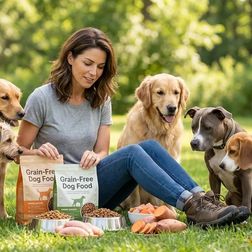
Think you know which type of dog food is better? Most pet owners assume there's a clear winner between kibble and canned food, but the truth is far more nuanced. In this episode, Steven Whitlow draws on two decades of hands-on experience with hundreds of dogs to break down the real differences between dry and wet food—and why the right choice depends entirely on your dog's age, health, dental condition, and your lifestyle. Whether you're feeding a senior with kidney concerns or a puppy with a developing digestive system, this guide will help you make an informed decision. The moisture gap is massive: dry kibble contains just 6–10% water while wet food sits at 75–85%, directly affecting how much your dog needs to drink and impacting kidney function, digestion, and overall hydration. Calorie density differs dramatically—a cup of dry food delivers 300–500 calories compared to 150–200 in the same volume of wet food, making kibble easier for precise portion control and weight management. Wet food's higher moisture content makes it especially valuable for senior dogs over seven years, dogs with kidney disease, and those recovering from illness who struggle to drink enough water on their own. The protein percentages on labels can be misleading; when you remove moisture and compare on a dry matter basis, quality wet and dry foods often deliver similar actual protein and fat levels. Dry food offers practical advantages including longer shelf life (4–6 weeks opened versus 2–3 days for wet), lower cost per serving, and mild dental benefits through abrasive action on teeth. You don't have to choose one or the other—many dogs thrive on a combination of both food types, balancing hydration benefits with cost efficiency and dental support. Read the full article: https://totalpetparent.com/dry-dog-food-vs-wet-dog-food
Best Grain-Free Dog Food for Dogs with Allergies

If your dog is dealing with constant itching, ear infections, or digestive issues, the culprit might be hiding in their food bowl. In this episode, professional groomer Jasmine Caldwell shares what she's learned from years of working with allergic dogs—including her own—and breaks down exactly what makes a grain-free formula actually work for sensitive pups. Whether you're overwhelmed by ingredient labels or confused about the DCM controversy, this guide will help you make a confident choice for your dog. Novel proteins like venison, duck, bison, or rabbit are often better choices than chicken or beef for allergic dogs, since most sensitivities develop to proteins a dog has eaten repeatedly over time. Not all grain-free foods are created equal—some rely heavily on legumes like peas and lentils as primary ingredients, which has raised questions about a potential link to heart disease in dogs, so look for formulas using sweet potatoes or tapioca as carb sources instead. Omega fatty acids from fish oil or flaxseed are essential for skin health, and you can check the guaranteed analysis for omega-6 levels around 2.5–4% and omega-3 at 0.3–0.5% minimum. Probiotics and prebiotics in dog food support gut health, which directly influences immune function and can actually help reduce allergic responses over time. AAFCO feeding trial statements carry more weight than simple formulation claims—look for language confirming the food was tested on real dogs for at least six months with health monitoring. Limited-ingredient formulas with fewer than ten core components make it much easier to identify triggers when you're working through an elimination diet with your vet. Read the full article: https://totalpetparent.com/best-grain-free-dog-food-for-dogs-with-allergies
Best Dog Food: Complete Guide to Choosing the Right Nutrition for Your Dog
Ever wonder why some dogs have that unmistakable healthy glow while others seem perpetually dull-coated and low-energy? Professional groomer Jasmine Caldwell has spent nearly a decade reading the signs of nutrition—or lack thereof—in the thousands of dogs that come through her shop. In this episode, she breaks down exactly how to choose dog food that actually works for your specific dog, cutting through marketing hype to focus on what genuinely matters for your pet's health and longevity. There's no universal "best" dog food—what works perfectly for a high-energy terrier would be wrong for a senior shepherd with mobility issues, so you need to match nutrition to your dog's life stage, breed size, activity level, and health conditions. AAFCO compliance is your non-negotiable baseline; look for the statement confirming the food meets Association of American Feed Control Officials standards for complete and balanced nutrition before considering anything else. Named meat sources like chicken, beef, or salmon should appear in the first few ingredients—vague terms like "meat meal" or "animal byproducts" are red flags worth avoiding. Fats are essential for coat health and brain development, with minimums of 5.5 percent for adult dogs and 8.5 percent for puppies; the difference shows up immediately in coat texture and sheen. Grain-free isn't automatically better—what matters more is whether carbohydrate sources are digestible and functional rather than just cheap filler. Higher-quality foods often require smaller serving sizes because better digestibility means your dog extracts more nutrition per cup, which can offset the higher price point. Read the full article: https://totalpetparent.com/best-dog-food