The Pet Parent Podcast
by Total Pet Parent

Cat Food Storage and Freshness Checklist: Maintaining Nutritional Quality
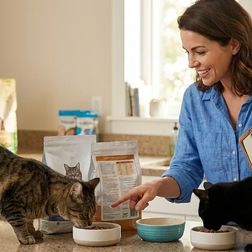
Even the highest-quality cat food can lose its nutritional value before your cat takes a single bite—and the culprit is often how you store it. In this episode, Steven Whitlow draws on twenty years of pet nutrition experience to reveal the storage mistakes that silently degrade your cat's food and exactly how to prevent them. Whether you're feeding a growing kitten or a senior cat who needs every nutrient they can get, you'll learn practical daily habits that protect freshness from purchase to last scoop. The container you choose matters more than you think—look for airtight seals with silicone gaskets, BPA-free or stainless steel materials, and opaque construction to block UV light that breaks down vitamins A, D, and E. Keep kibble in its original bag inside your storage container, since the inner lining provides an extra barrier against oxygen and moisture that pouring directly into a container eliminates. Temperature and humidity control are critical: store food in cool spaces (50–70°F) with humidity below 60 percent, and avoid garages, laundry rooms, or anywhere near heat sources like stoves and dishwashers. Once opened, dry cat food should be used within four to six weeks—those economy-sized bags may seem cost-effective, but the last third will likely go stale before a single cat can finish it. A rancid, paint-like smell is your warning sign that fats have oxidized and the food should be thrown out, even if it looks fine. Clean your storage container between bags by washing with mild soap and drying completely to prevent old oils from contaminating fresh food. Read the full article: https://totalpetparent.com/cat-food-storage-and-freshness-checklist
Complete Cat Food Transition Checklist: Switching Foods Safely

Switching your cat's food might seem straightforward, but rushing the process can lead to digestive disasters, hunger strikes, or destabilized health conditions. This episode delivers a complete, veterinarian-informed roadmap for transitioning your cat to new food safely—whether you're dealing with a picky eater, a senior cat with established preferences, or a kitten with a developing digestive system. If you've ever been stuck with a bulk bag of food your cat refuses to touch or cleaned up the aftermath of a too-fast diet change, this checklist approach will save you time, money, and stress. Always document your cat's baseline before switching foods—litter box habits, energy levels, coat condition, and weight give you objective markers to determine whether the new food is actually working or causing problems. The standard transition follows a 12-day protocol with 25% increments, but kittens, seniors, and cats with digestive sensitivities may need extended timelines of three to four weeks with smaller percentage jumps. Days seven through nine represent the danger zone where most picky cats reject the new food—the old formula no longer masks the new flavor profile, and some cats will refuse to eat rather than accept the change. Stool quality is your earliest warning system: normal means formed but not rock-hard, no mucus coating, no visible undigested food, and no sudden increase in litter box frequency. Buy small quantities first, even with a perfect transition plan—some cats simply won't accept certain proteins or formulas regardless of how gradually you introduce them. Delayed reactions like skin sensitivities to novel proteins can take two to three weeks to appear as increased scratching or coat dullness, so monitoring should continue well past the initial switch. Read the full article: https://totalpetparent.com/complete-cat-food-transition-checklist
Essential Nutrients in Cat Food: What Obligate Carnivores Need
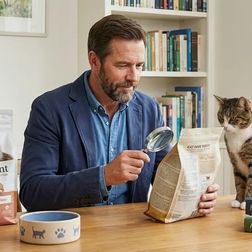
Think filling your cat's bowl is as simple as grabbing any bag off the shelf? Think again. In this episode, Steven Whitlow draws on two decades of animal care experience to explain why cats have nutritional needs that are fundamentally different from dogs and humans. If you've ever wondered what "obligate carnivore" really means for your cat's diet—or why the wrong food can lead to serious health problems—this breakdown of essential nutrients will change how you think about feeding your feline. Cats lost the ability to produce certain critical nutrients over millions of years of evolution because they always obtained them from prey—meaning their survival depends entirely on getting these compounds from food. Unlike dogs and humans who run on carbohydrates, cats use protein as their primary energy source, requiring at least 26% protein in their diet compared to just 18% for dogs. Taurine deficiency is one of the most dangerous nutritional gaps for cats, leading to heart disease and blindness—conditions that develop silently over months or years before symptoms appear. Cats cannot convert plant-based beta-carotene into vitamin A the way humans can, so they must get pre-formed vitamin A directly from animal tissues like liver. The "AAFCO complete and balanced" label on cat food indicates the formula meets minimum requirements for over 40 essential nutrients, though not all foods deliver these nutrients with equal quality. Cats lack functional sweet taste receptors entirely, which explains why they're drawn to savory, umami-rich flavors found in animal proteins rather than the foods dogs might eagerly eat. Read the full article: https://totalpetparent.com/essential-nutrients-in-cat-food
What Is AAFCO Certification and Why It Matters for Cat Food

Ever picked up a bag of cat food, seen "meets AAFCO standards" on the label, and assumed that meant the product was tested, certified, and officially approved? You're not alone—but that assumption isn't quite accurate. In this episode, Steven Whitlow breaks down what AAFCO actually does (and doesn't do), how cat food nutritional standards really work, and why understanding the difference matters when you're choosing what to feed your cat. AAFCO doesn't certify, test, or approve any cat food products—they're a regulatory body that establishes nutritional standards and labeling guidelines, while manufacturers self-report whether their products meet those standards. There are two methods for claiming AAFCO compliance: the Formulation Method (theoretical calculations based on ingredients) and the Feeding Trial Method (actual cats fed the food for at least 26 weeks with monitored health outcomes)—and the feeding trial is far more reassuring. Life stage designations on cat food labels aren't marketing fluff—foods formulated for "Adult Maintenance" won't provide adequate nutrition for kittens, and kitten formulas can cause weight gain in sedentary adult cats. Cats have unique nutritional requirements as obligate carnivores, including preformed vitamin A, taurine for heart and eye health, arachidonic acid, and higher protein levels than dogs or humans need. AAFCO standards helped reduce serious health issues like taurine deficiency-related heart disease by establishing minimum requirements, but meeting these standards represents a baseline for survival—not a guarantee of ingredient quality or optimal nutrition. Two products can both meet AAFCO standards while using completely different ingredient quality, digestibility levels, and manufacturing processes, so compliance is a starting point for evaluation, not the finish line. Read the full article: https://totalpetparent.com/what-is-aafco-certification-and-why-it-matters-for-cat-food
How to Read Cat Food Labels: Understanding Ingredients and Nutritional Information

Think you're making informed choices about your cat's food? The marketing on the front of the bag—"premium," "natural," "grain-free"—often tells a completely different story than what's actually inside. In this episode, Jasmine Caldwell breaks down exactly how to decode cat food labels, from finding the one statement that determines whether a food is even nutritionally complete to understanding why the ingredient list might be misleading you. Whether you're a new cat owner or you've been feeding felines for years, this twenty-minute label literacy crash course will transform how you shop. The AAFCO nutritional adequacy statement is your first and most important quality filter—if a cat food doesn't have one, it shouldn't be your cat's primary diet, regardless of what the front of the bag claims. Ingredients are listed by weight before processing, which means fresh chicken (with its water content) will rank higher than chicken meal even though chicken meal contains roughly 300% more protein by weight after cooking. Watch for "ingredient splitting," where manufacturers list corn gluten meal, ground corn, and corn bran separately to disguise that corn is actually the primary ingredient in the food. Vague terms like "meat by-products" or "poultry meal" without a named species are red flags—quality protein sources should always specify the animal (chicken, turkey, salmon, beef). For adult cats, aim for at least 26% crude protein in dry food, though 35-40% is better for obligate carnivores who are biologically designed to derive nutrients from animal tissue. Life stage designations matter more than you might think—feeding kitten food to a senior cat risks weight gain and nutrient imbalances because the caloric density and nutrient ratios are calibrated differently. Read the full article: https://totalpetparent.com/how-to-read-cat-food-labels
Grain-Free vs Grain-Inclusive Cat Food: Which Should You Choose?
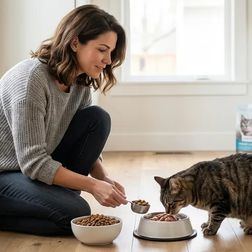
Ever stood in the pet food aisle feeling guilty for not buying the expensive grain-free option? You're not alone—and you might be surprised to learn that premium label isn't necessarily better for your cat. In this episode, Steven Whitlow draws on over twenty years of animal experience to break down the grain-free versus grain-inclusive debate, revealing what veterinary science actually says about feline nutrition in 2026. Whether you're a new cat parent or questioning your current feeding choices, this episode cuts through the marketing noise to help you make the right decision for your individual cat. Most healthy cats do better on grain-inclusive food, and grain-free formulas are typically only necessary for cats with diagnosed grain allergies—which account for less than 5 percent of feline food sensitivities. Higher protein percentages on grain-free labels can be misleading because pea protein and other plant proteins count toward the total, yet cats can't utilize plant proteins as efficiently as animal-based proteins. The most common food allergens in cats are actually animal proteins like chicken, beef, and fish—not grains like rice or oats. Whole grains provide valuable soluble and insoluble fiber that supports digestive health and beneficial gut bacteria in cats without sensitivities. Grain-free cat food costs 30 to 50 percent more per pound than comparable grain-inclusive options, adding up significantly over a cat's 15 to 20 year lifespan. If switching between food types, transition gradually over 7 to 10 days to avoid digestive upset, especially since some grain-free formulas contain legumes that can cause gas and softer stools. Read the full article: https://totalpetparent.com/grain-free-vs-grain-inclusive-cat-food
Wet vs Dry Cat Food: Which Is Better for Your Cat's Health?
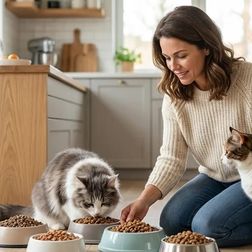
Ever wondered why some cats have luxurious coats while others seem perpetually dull and dehydrated? Professional cat groomer Jasmine Caldwell shares what nearly a decade of hands-on experience has taught her about how food format directly impacts everything from skin elasticity to vet visits. This episode breaks down the wet versus dry debate with practical insights for cat owners trying to make the best choice for their specific situation—whether you're managing a tight budget, caring for a senior cat, or juggling multiple felines at home. Wet food contains 75–80% moisture, mimicking natural prey and supporting cats' low thirst drive—even cats with water fountains rarely drink enough to compensate for dry-only diets. Chronic low-grade dehydration from dry food contributes to kidney disease and urinary tract issues, which are alarmingly common in older cats. Dry kibble requires starch binders to hold its shape, resulting in 30–40% carbohydrate content—far higher than what cats would naturally eat as obligate carnivores. Cost differences are significant: wet food runs $1–3 per day versus $0.50–1.50 for dry, making kibble more practical for multi-cat households on a budget. Despite marketing claims, dry food provides only limited plaque reduction—the dental benefits are largely overstated. A simple compromise for dry food feeders: adding a tablespoon or two of water to each serving helps boost hydration more than you'd expect. Read the full article: https://totalpetparent.com/wet-vs-dry-cat-food
Best Dry Cat Food: Premium Kibble Options for Adult Cats
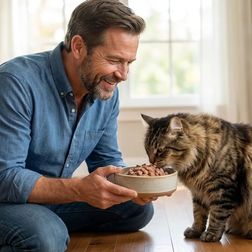
If your cat has ever snubbed an expensive bag of kibble while you stood there questioning your life choices, you're not alone. In this episode, dog groomer Jasmine Caldwell shares what she's learned from years of conversations with her neighbor who runs a cat-only rescue—and explains how to cut through the marketing noise to find dry cat food that actually delivers quality nutrition. Whether you're tired of decoding confusing labels or watching your adult cat turn into a picky nightmare, this breakdown covers exactly what separates premium kibble from overpriced filler. Cats are obligate carnivores with zero biological need for carbohydrates, yet kibble requires carbs to hold its shape—look for formulas that keep carbohydrate content under 20-30% of total composition by doing the math yourself on the guaranteed analysis panel. The first ingredient should always be a specifically named animal protein like chicken, turkey, or salmon—not vague terms like "poultry meal" or "meat by-products" that mask lower-quality sources. AAFCO certification isn't just a marketing badge; it confirms the formula meets minimum levels of essential nutrients like taurine, arginine, and niacin that cats literally cannot produce on their own. Grain-free doesn't automatically mean healthier—some cats handle small amounts of rice or oats just fine, while grain-free alternatives like potatoes and tapioca can still spike carbohydrate levels. Named fats like chicken fat or salmon oil are superior to generic "animal fat" because they ensure consistency and traceability, plus omega-3s from fish oil create that unmistakable sleek coat quality. Aim for kibble with 30-45% crude protein on the guaranteed analysis, which better aligns with what cats would naturally consume hunting prey in the wild. Read the full article: https://totalpetparent.com/best-dry-cat-food
Best Wet Cat Food: Top Moisture-Rich Formulas for Felines
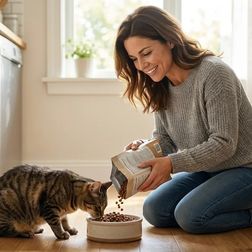
If your cat has ever sniffed their food bowl and walked away in disgust, you know that choosing wet cat food is about more than just nutrition labels—it's about finding something they'll actually eat. This episode breaks down what really matters when selecting moisture-rich formulas for your feline, from protein quality to texture preferences. Whether you're dealing with a picky eater, a senior cat with kidney concerns, or just trying to navigate the overwhelming pet food aisle, this guide covers the essential criteria for making a confident choice. The first ingredient should always be a named animal protein like chicken, turkey, or salmon—avoid vague terms like "meat by-products" or "animal digest" that obscure what your cat is actually eating. Moisture content above 75% is ideal since cats evolved getting hydration from prey, and chronic dehydration can lead to kidney disease and urinary tract issues even in cats who drink from their water bowl. AAFCO certification is your baseline standard—foods without it should only be used as treats or toppers, never as complete meals for your cat. Carrageenan, a common thickener in wet food, may cause inflammation in sensitive cats, so if your cat has digestive issues, carrageenan-free options are worth trying. Texture matters more than most owners realize—pâté works well for seniors with dental problems, while shredded or flaked formulas appeal to cats who like to "hunt" their food, and switching textures can solve apparent pickiness. Life stage formulas aren't just marketing—kittens need DHA for brain development, while senior cats benefit from lower phosphorus levels to protect kidney health and softer textures for aging teeth. Read the full article: https://totalpetparent.com/best-wet-cat-food
Best Cat Food: Complete Guide to Choosing Quality Nutrition for Your Feline
Are you unknowingly feeding your cat the nutritional equivalent of fast food? In this episode, Jasmine Caldwell breaks down everything cat parents need to know about choosing quality nutrition for their feline companions. From decoding ingredient labels to understanding why cats have drastically different dietary needs than dogs, this guide tackles the central question every cat owner faces: what actually makes cat food good versus just cleverly marketed? Cats are obligate carnivores with unique nutritional requirements—they need nutrients like taurine, preformed vitamin A, and arachidonic acid that can only come from animal tissue, not plant sources. AAFCO certification is your baseline for nutritional adequacy, not a gold standard for quality; you still need to evaluate ingredient sourcing, protein sources, and carbohydrate content on your own. Many commercial cat foods contain 30–40% carbohydrates from cheap fillers like corn and wheat, despite cats having no dietary requirement for carbs and limited ability to digest them—high-carb diets are linked to obesity, diabetes, and urinary issues. Moisture content is critical for cat health because cats evolved with weak thirst drives and are designed to get water from prey; dry kibble contains only 6–10% moisture while wet food provides 75–80%, meaning kibble-only cats often live in chronic mild dehydration. The quality of protein matters as much as the percentage—look for named meat sources like chicken, turkey, or salmon at the top of the ingredient list rather than generic by-products or grain fillers. Poor nutrition shows up visibly in coat quality first, with brittle fur, excessive shedding, and dandruff serving as early warning signs of deeper nutritional deficiencies. Read the full article: https://totalpetparent.com/best-cat-food