DeepBlu Project

DeepBlu Project

by Chris Workman
Season 1

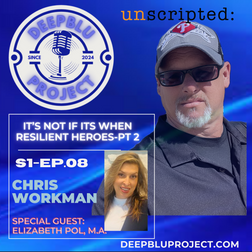
It's Not If, It's When w/ Elizabeth Pol

In this conversation, Chris and Liz discuss the Resilient Heroes project, which focuses on providing trauma and suicide psychoeducation to first responders. They emphasize the importance of proactive mental health care and the need for first responders to understand the risk factors and protective factors related to suicide. They also discuss the psychoeducation training program, which includes group discussions, scenario-based training, and an exploration of real-life cases. The feedback from participants has been positive, with many expressing gratitude for the new perspectives and knowledge gained. The conversation highlights the need for first responders to prioritize self-care and seek support when needed.
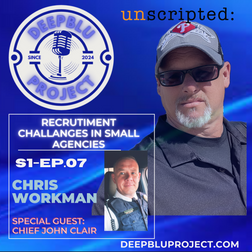
Recruiting Challenges for Small Police Agencies w/ Chief John Clair

In this episode of the DeepBlu Project Chris has a discussion with John Clair, Chief of the Town of Marion Police Department as they explore the challenges faced by small police departments, including recruitment, retention, and limited resources. They discuss the differences between small town policing and urban policing, highlighting the customer-oriented approach of small town officers. They also touch on the impact of changing job market trends and the need for small departments to adapt. The conversation emphasizes the importance of building trust and relationships within the community and managing community expectations. They conclude by discussing the book 'The Courage to Be Disliked' and the need for self-reflection and personal growth in law enforcement.

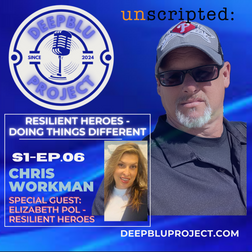
Resilient Heroes - Doing things Different w/ Elizabeth Pol

In this conversation, Chris interviews Elizabeth Pol, the founder of Resilient Heroes, about the importance of addressing officer trauma and police suicide. They discuss the need for a different approach to training and education on trauma and suicide, focusing on interactive conversations and scenario-based training. Elizabeth shares her experience as a Chicago police officer and her work in suicide psychological autopsies, emphasizing the importance of understanding risk factors and indicators of suicide. They also discuss the challenges of addressing mental health and wellness in the law enforcement community and the need for self-advocacy and resources for first responders. Elizabeth's organization, Resilient Heroes, aims to provide psychoeducation and support to first responders and agencies across the United States.

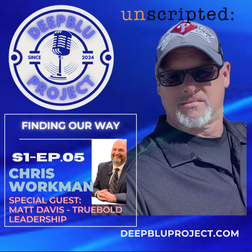
Finding our Way w/ Matt Davis

In this episode Matt and Chris cover various topics including personal anecdotes, networking, leadership training, challenges in law enforcement recruitment and retention, and the need for adapting to the changing needs of the newer generation. The hosts discuss the importance of networking and making connections, as well as the challenges faced by law enforcement agencies in attracting and retaining new officers. Overall, the conversation highlights the need for innovation and flexibility in the law enforcement profession. Exploring the need for improved communication and training in law enforcement academies. The speakers discuss the challenges of teaching oral communication skills to a generation that primarily communicates through short messages and the need for a shift in the training approach, focusing on building trust, teamwork, and problem-solving skills. The conversation concludes with a call for change in the law enforcement profession and a commitment to supporting officers who think outside the box.

You Have Had This a Long Time

In this episode, host Chris reflects on the importance of wellness and self-awareness in the law enforcement profession. He discusses the mental and emotional challenges that come with the job and emphasizes the need for officers to take care of their mental health. Chris shares his personal experience with cancer and how it affected his mental state. He encourages listeners to seek help and find healthy coping mechanisms for the stressors they face. The episode ends with a reminder to prioritize mental wellness and reach out for support.

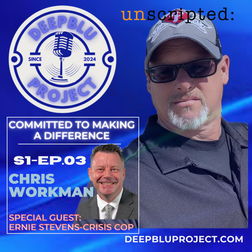
Committed to Making a Difference w/ Ernie Stevens

Ernie Stevens shares his journey into crisis intervention training and the impact it had on his career as a police officer. He discusses the lack of mental health training in the academy and the challenges he faced in responding to mental health crises. Ernie recounts a powerful encounter with a woman whose son had schizophrenia, which changed his perspective and motivated him to make a difference. The conversation also touches on the importance of crisis intervention training for law enforcement officers and the need for a shift in mindset from a use of force approach to one focused on de-escalation and empathy. The conversation focuses on the importance of empathy and understanding in law enforcement when dealing with mental health crises. It highlights the need for officers to go beyond just doing their job and instead focus on supporting individuals in crisis. The conversation also emphasizes the role of crisis intervention training (CIT) in redefining safety as the presence of well-being and building a culture of wellness within law enforcement. It discusses the collaboration between law enforcement and mental health authorities, the importance of active listening, and the challenges and successes in implementing mental health programs. EMTALA https://www.cms.gov/medicare/provider-enrollment-and-certification/certificationandcomplianc/downloads/emtala.pdf

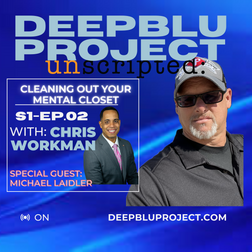
Cleaning Out your Mental Closet w/ Michael Laidler

In this episode, host Chris interviews Michael Laidler, a professional speaker and former police officer. Michael shares his journey from growing up in a challenging environment to becoming a successful speaker and author. He emphasizes the importance of starting somewhere and not being defined by your starting point. Michael and Chris also discusses the significance of self-awareness, mental wellness, and vulnerability in law enforcement and first responder communities. They encourage individuals to seek help and support to clean out their mental closets and overcome the stigma surrounding mental health. In this conversation, Michael Laidler emphasizes the importance of being a role model and leader in law enforcement. He discusses the need to lead others in a way that allows them to grow and emphasizes the importance of self-awareness and personal growth. Laidler also talks about his book, 'Greatness Beyond the Badge,' which focuses on building a foundation of self-awareness and looking inward to become a better law enforcement officer. He shares his journey of writing the book and the lessons he learned about himself in the process. Laidler also discusses his podcast, the LEO First Podcast, which aims to show that law enforcement officers are more than just their uniforms and highlights the importance of sharing personal stories and experiences.

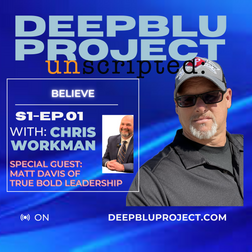
Embracing Empathy and Belief in Leadership w/ Matt Davis

Explicit
In this episode, Chris and Matt discuss their journey and the importance of support and friendship in personal and professional growth. They talk about the origins of their podcast and the impact of their friendship on their individual goals. They also delve into the concept of leadership and the significance of empathy and belief in their respective journeys. They emphasize the importance of mental health and the need to break the stigma surrounding seeking help. Overall, the conversation highlights the power of connection, support, and personal development. The conversation explores the challenges of being authentic in a world that tries to make you conform. It emphasizes the importance of being true to oneself and not letting others define who you should be. The speakers discuss the need for courage and positivity in order to overcome societal expectations and find happiness. They also touch on the power of mentorship and the importance of surrounding oneself with positive influences. Overall, the conversation encourages listeners to embrace their true selves and pursue their own paths.
4 of 4