
Episode notes
A Hotline for AI Accidents: What the U.S. and China Actually Agreed
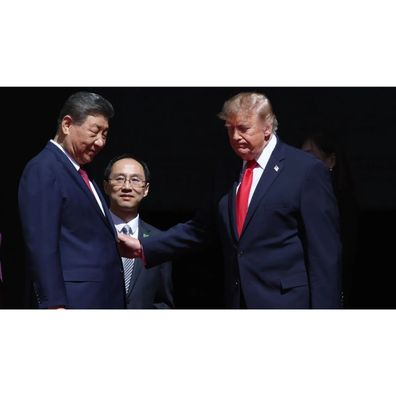
During Chinese President Xi Jinping's state visit to Washington last month, the U.S. and China agreed to start a regular dialogue on AI and to create a channel for reporting AI "incidents" to each other. This episode explains what the two governments actually announced, why a hotline for AI accidents might matter, and how much is still undecided.
In this episode:
- The two sentences on AI in the White House's September 25 fact sheet, and what "Super Intelligence" means in official U.S. language
- How China's foreign ministry described the agreement
- The Cold War hotline that inspired the idea, and earlier proposals for an AI version
- Why incidents involving AI agents, such as the Hugging Face breach, make cross-border communication more pressing
- Earlier U.S.–China contacts on AI, including the 2024 Geneva talks and the agreement to keep humans in control of decisions to use nuclear weapons
- The open questions: who runs the channel, what counts as an incident, and whether either side will use it
- The two governments' different views on global AI governance
Sources and further reading:
- White House fact sheet on the state visit (Sept. 25, 2026)
- Axios: U.S. and China agree to "super intelligence" dialogue
- Express Tribune: China says the dialogue is an "important pathway" for AI
- Lawfare: "The U.S. and China Need an AI Incidents Hotline" (Christian Ruhl, 2024)
- TechTimes: White House AI safety accord and recent agent incidents
- Israel Hayom: U.S. rejects global AI standards at the UN
This episode is an audio narration of today's post from Daily AI Safety News. Read the full article at https://dailyaisafety.substack.com/p/a-hotline-for-ai-accidents-what-the
This post was written by Claude and fact checked by Nathan Nguyen.
Where this episode is made
Country