Cannabinoid and Psychedelic Pharmacology and Drug Development

Cannabinoid and Psychedelic Pharmacology and Drug Development

by Jim Mitchell and Google NotebookLM
Season 1

30 Day FDA and ICH Drug Development Regulations - Day 18 GRAS (Generally Recognized as Safe)
Dive into the fascinating world of GRAS—"Generally Recognized as Safe"—in this eye-opening episode! From decoding the regulatory twists of GRAS to navigating the booming market of natural extracts like cannabinoids and psilocybin, we unpack what "safe" really means in food, drinks, and supplements. Learn to spot red flags, ask the right questions, and make informed choices about the products you consume. Empower yourself with the knowledge to protect your health in a world filled with bold claims and evolving science. Stay curious and join us for this essential conversation!

30 Day FDA and ICH Drug Development Regulations - Day 19 Nutraceuticals vs. Prescription Drugs
Dive into Day 19 of our deep dive as we explore the fascinating, complex world of nutraceuticals, prescription drugs, and the intricate regulations that govern them. Discover how safety, efficacy, and marketing claims shape the products we use, the rigorous clinical trials that ensure prescription drug reliability, and the persistent battle against impurities in medications. From FDA oversight to the chemistry behind drug stability, this episode unpacks the meticulous processes ensuring the medicines we trust are safe and effective. Join us for an eye-opening journey into the science, ethics, and future of medicine.

30 Day FDA and ICH Drug Development Regulations - Day 20 ICH Efficacy Guidelines
Explore the intricate world of ICH efficacy guidelines in this episode, as we break down the E series—the global rulebook ensuring safe and effective drug development. From selecting meaningful trial endpoints to navigating the complexities of pediatric trials, statistical analyses, and personalized medicine through biomarkers, we uncover how these guidelines shape the future of healthcare. Learn how harmonization fosters collaboration, safeguards patients, and accelerates innovation worldwide, blending cutting-edge science with ethical responsibility. Join us for a deep dive into the unsung heroes of global medicine.

30 Day FDA and ICH Drug Development Regulations - Day 21 Biologics and Biosimilars
Dive into the intricate world of biologics and biosimilars in this episode as we unravel the science, regulations, and real-world impact of these groundbreaking therapies. From their unique manufacturing challenges and complex molecular structures to the rigorous clinical trials and approval pathways, we explore what makes biologics the pinnacle of medical innovation. Learn how biosimilars are paving the way for more affordable and accessible treatments, their potential to transform healthcare, and the evolving dynamics of innovation and affordability. Join us for an insightful journey into the future of medicine.

30 Day FDA and ICH Drug Development Regulations - Day 22 Post-Marketing Surveillance
Discover the fascinating world of post-marketing surveillance in this episode, where we explore how the journey of a drug continues long after it hits the market. Learn how pharmacovigilance, adverse event reporting, and risk management plans ensure ongoing safety and effectiveness in the real world. Dive into the critical roles of observational studies, Phase IV trials, and groundbreaking laws like PREA that push for pediatric-specific research. Uncover the ethical balance between data collection and patient autonomy, and see how this ever-evolving process keeps patients safe while uncovering new treatment possibilities. Join us for an eye-opening journey into the science, ethics, and future of drug safety.

30 Day FDA and ICH Drug Development Regulations - Day 23 Real-World Evidence (RWE)
Real-World Evidence (RWE) is reshaping how we understand and improve medications post-approval. In this deep dive, we explored its pivotal role in capturing data from patient records, wearable devices, and insurance claims to uncover hidden safety risks, refine drug efficacy, and even identify unexpected benefits. We discussed how RWE complements stringent regulations like 21 CFR 211 by acting as an early warning system for drug impurities and manufacturing changes, ensuring patient safety. The conversation delved into powerful examples, such as the DES recall, showing how RWE can identify long-term effects missed in clinical trials, and how it empowers personalized medicine and better drug interactions. We also touched on the transformative Quality by Design (QBD) approach, which integrates RWE to proactively prevent issues, streamlining development and improving patient outcomes. The overarching theme? RWE, combined with robust regulatory frameworks, is a dynamic, ethical, and patient-centered tool driving innovation and trust in healthcare. Stay curious, informed, and part of this exciting evolution!

30 Day FDA and ICH Drug Development Regulations - Day 24 Accelerated Approval Pathways
The discussion on FDA’s accelerated approval pathways and advancements like gene therapy highlights the dynamic and evolving nature of modern medicine. Accelerated pathways aim to bring treatments for serious conditions, rare diseases, and unmet medical needs to patients more quickly, balancing the urgency of access with the necessity of safety and efficacy. These innovations, such as gene therapy, which targets diseases at their genetic root, offer unprecedented hope for treating and potentially curing conditions once thought untreatable. However, they also bring unique challenges, including long-term safety concerns, ethical considerations, and the need for robust post-approval monitoring. As medicine continues to advance, the focus remains on collaboration, transparency, and ensuring that innovation serves patients responsibly. It’s a reminder of the importance of staying informed and engaged in shaping the future of healthcare.

30 Day FDA and ICH Drug Development Regulations - Day 25 ICH Quality Guidelines (Q10/Q11)
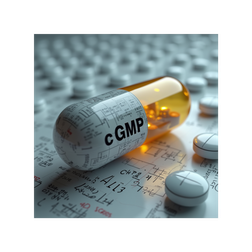
The discussion on ICH guidelines Q10 and Q11 offers a fascinating look into the interplay between foundational pharmaceutical regulations and more advanced frameworks designed to enhance quality systems and drug substance development. While cGMPs provide the essential baseline for safe and effective drug manufacturing, Q10 and Q11 take a proactive approach to quality, focusing on continuous improvement and a deep understanding of the manufacturing process. Key elements like CAPA systems, design spaces, and control strategies allow manufacturers to not only meet compliance standards but also improve efficiency, innovation, and adaptability. By embracing these guidelines, companies can anticipate risks, optimize processes, and ensure consistent quality over a drug's lifecycle. This proactive mindset extends to critical areas such as bioavailability and bioequivalence, emphasizing the importance of designing drugs that consistently deliver therapeutic effects while meeting stringent quality standards. The ongoing collaboration between scientists, regulators, and the industry underscores the shared commitment to advancing pharmaceutical development while prioritizing patient safety and efficacy. In summary, these guidelines represent a shift from reactive compliance to a holistic, science-driven approach that fosters innovation and maintains high standards in pharmaceutical quality. They are not merely regulatory requirements but powerful tools for building a robust and adaptable framework for drug development.

30 Day FDA and ICH Drug Development Regulations - Day 26 Validation of Computerized Systems (21 CFR Part 11)
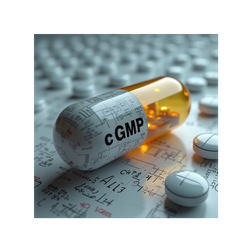
ICH Q9 and computerized systems are integral to modern drug development, emphasizing risk management, data integrity, and regulatory compliance. ICH Q9 provides a framework to identify, analyze, and control risks throughout the drug development lifecycle. Computerized systems validation ensures these systems are reliable through a process of defining requirements, rigorous testing, and continuous monitoring. Data integrity, a cornerstone of ICH Q9, guarantees accuracy, completeness, and traceability, supported by measures like audit trails and controlled access to minimize errors and prevent data fraud. CFR Title 21 embeds these principles into regulations, requiring validated systems for tasks such as labeling, inventory management, and quality control. These systems manage critical data, streamline processes, and ensure compliance with stringent manufacturing standards. The integration of ICH Q9 principles into practical regulations supports traceability, prevents errors, and maintains product safety and efficacy. As technology advances, the methodologies for system validation and data integrity continue to evolve, ensuring that the pharmaceutical industry remains aligned with innovation while prioritizing patient safety. This dynamic system underpins the delivery of reliable, high-quality medications worldwide.

30 Day FDA and ICH Drug Development Regulations - Day 27 Regulatory Submissions

Explore the fascinating and often hidden world of regulatory submissions, the backbone of bringing new drugs from lab to market. This episode unpacks the journey from investigational new drug applications (INDs) to new drug applications (NDAs) and biologics license applications (BLAs), revealing the intricate processes that ensure safety, efficacy, and quality. Learn about the key elements of these submissions, including clinical trial designs, manufacturing standards, and even the packaging and labeling that protect patients. Gain insight into the global collaboration behind modern medicine, where science, regulation, and innovation intersect to shape the future of healthcare.
3 of 26