Aspiring Hollywood

Aspiring Hollywood

by Luc Saber
Season 1

Aspiring Filmmaker Series: How To Write A Screenplay For Film Buyers
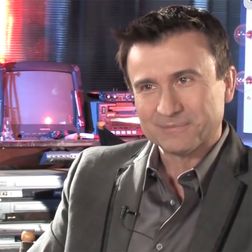
How To Write A Screenplay For Film Buyers Writing a screenplay isn't only about telling a compelling story. If you want to get a film made, I believe it’s also important to understand how production companies, distributors, sales agents, and film buyers may look at a project. In this episode of Aspiring Hollywood, I draw on more than 30 years of experience in the independent film business to discuss how you can approach a screenplay with both the creative and business sides of filmmaking in mind. I explore why story, character, cast, structure, dialogue, and action all matter when you're developing a screenplay that you ultimately want to see become a film. I also share a real-world experience from a conversation with a film sales and distribution executive that taught me an important lesson about how buyers may evaluate a project. In this episode, I also look at: What is the first thing a film buyer asks when evaluating whether or not to license a feature film? Why compelling characters can help attract professional actors The importance of understanding your story’s genre and potential audience How screenplay structure can affect pacing and audience engagement Writing dialogue that sounds natural when spoken aloud Why you should think visually and give your characters opportunities to move and interact within a scene The importance of creating dynamic opening scenes that capture attention Why understanding the marketplace can help inform your creative decisions My goal isn't to take the creativity out of screenwriting. It's to help you understand the relationship between storytelling and the business of getting a film made and distributed. After more than three decades of working in independent film, I've learned that writing the screenplay is only one part of the journey. Understanding how that screenplay fits into the larger process—from script to production to marketplace—can be just as important. Read the full article: https://www.aspiringhollywood.com/how-to-write-a-screenplay-for-film-buyers About Aspiring Hollywood Aspiring Hollywood features insights, advice, and stories about screenwriting, filmmaking, and the film business, drawn from more than 30 years of experience in the industry. About Me I'm Luc Saber, a filmmaker, screenwriter, author, and story and production consultant with more than 30 years of experience in the film business.

Aspiring Filmmaker Series: Pre-Development vs. Development: What's the Difference?
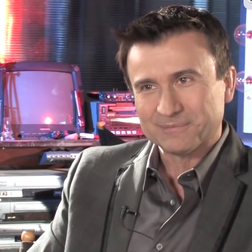
Pre-Development vs. Development: What's the Difference? When you're trying to get an independent film made, pre-development and development aren't necessarily the same thing. In this episode of Aspiring Hollywood, Luc Saber discusses the distinction between the two stages and why doing the groundwork before moving too far into development can save time, money, and frustration. Pre-development is about asking the fundamental questions: Is the concept viable? Who is the audience? Is there a market for the project? What might it cost? Who could potentially be involved? Development is where those answers begin to turn into an actual film project—refining the screenplay, developing the production and financing strategy, and preparing the project to move toward production. Drawing on more than 30 years of experience in the independent film business, Luc also shares some real-world perspective on why understanding the difference between these stages can be important for filmmakers and screenwriters. Read the full article: https://www.aspiringhollywood.com/pre-development-vs-development About Aspiring Hollywood Aspiring Hollywood features insights, advice, and stories about screenwriting, filmmaking, and the film business, drawn from more than 30 years of experience in the industry. About Luc Saber Luc Saber is a filmmaker, screenwriter, producer, and story and production consultant with more than 30 years of experience in the independent film business.

Aspiring Filmmaker Series: How To Reverse Engineer & Greenlight Your Own Film Project Overview
Independent Filmmaking: Then vs. Now — Is It Easier to Make Movies in 2026? Technology has revolutionized independent filmmaking—but has it actually made it easier to succeed? In this episode, Luc Saber looks back at the indie film revolution of the 1990s, compares the challenges of shooting on 35mm with today's digital and AI-powered tools, and explains why getting your movie noticed may be harder than ever. Discover Luc's reverse-engineering approach to making an independent film, from identifying market needs and writing the screenplay to raising money, securing distribution, and ultimately generating revenue.

Aspiring Filmmaker Series: Screenwriter to Producer
This episode is designed for aspiring screenwriters who are eager to transition from screenwriting to producing. It caters to those who prefer taking charge of their filmmaking careers rather than waiting for someone else to approve their projects. The episode delves into the distinction between literary agents and managers, and it explores the traditional option of producing a screenplay versus the indie route.

Artificial Intelligence in Hollywood

This episode explores the impact of artificial intelligence on the film industry.

FILMS OF THE 1980s & 90s TS

In this episode, we take a look at the style and substance of movies from the 80s & 90s, breaking down the story of "Tequila Sunrise."

The Protagonist & Three-Act Structure

Information on the elements of writing a three-act screenplay and developing the protagonist. This episode is for aspiring screenwriters and anyone who has a desire to write a feature film screenplay.

Screenplay Essentials

This episode focuses on how to start writing a screenplay, for beginners and aspiring writers.

Chris Piorkowski

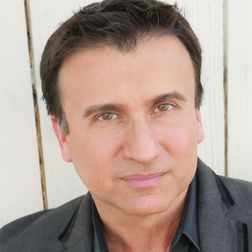
Chris Piorkowski is a music composer, professor, and author. In this interview, Chris talks about the process of scoring a feature film.

John C. Orndorff Interview

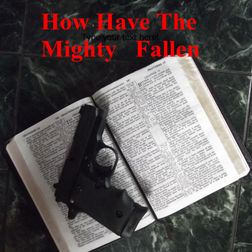
Discussion regarding alternate sources of inspiration for writers.
1 of 2