
The Pet Parent Podcast
di Total Pet Parent

How to Help Your Senior Dog Lose Weight Safely

If your older dog has gained weight but you're nervous about putting them on a diet, you're not alone. Senior dogs face unique challenges when it comes to shedding pounds—their metabolism has slowed, their joints are more fragile, and underlying health conditions can complicate even well-intentioned weight loss efforts. In this episode, professional pet groomer Jasmine Caldwell shares ten vet-informed strategies for helping your aging dog lose weight safely, drawing from nearly a decade of experience and life with her own senior shepherd who taught her these lessons firsthand. Always start with a comprehensive veterinary workup before making any dietary changes—conditions like hypothyroidism, Cushing's disease, and diabetes can cause weight gain and require specific treatment plans rather than simple calorie restriction. Senior dogs should lose no more than one to two percent of their body weight per week; faster weight loss can accelerate muscle wasting and actually worsen joint problems before the reduced load provides any benefit. Generic "light" kibble won't cut it for elderly dogs—look for veterinary-formulated senior weight management foods with at least 20-25% protein to prevent age-related muscle loss while cutting calories. Ditch the measuring cup and use a digital kitchen scale to portion meals by weight; volumetric scooping can lead to 20-30% overfeeding, which completely derails weight loss efforts. Treats are the silent saboteur of canine weight loss, often adding 100-200 hidden calories daily—swap half your training treats for low-calorie vegetables like green beans, carrots, or cucumber slices. Split your dog's daily food allowance across two or three meals rather than one to help manage hunger, stabilize energy levels, and reduce food-focused anxiety and begging. Read the full article: https://totalpetparent.com/how-to-help-your-senior-dog-lose-weight-safely
Best Dog Food for Senior Dogs: Top Nutrition for Aging Canines

When your once-ravenous dog starts leaving food in the bowl, it might be more than just a picky phase—it could signal that their nutritional needs have fundamentally changed. In this episode, professional pet groomer Jasmine Caldwell shares what she learned after her seven-year-old dog Duke suddenly stopped eating his usual kibble, and how that discovery transformed the way she feeds all her senior rescues. Whether your aging pup is slowing down, showing joint stiffness, or just not thriving like they used to, this episode breaks down exactly what to look for in senior dog food and why the right formula can genuinely extend your dog's quality of life. Senior dogs need lower calorie density and reduced fat (8–12% fat, 18–25% protein) because their metabolism slows and excess weight puts dangerous stress on already-compromised joints. Protein quality matters more than quantity for older dogs since their digestive systems become less efficient—look for named meat proteins like chicken, turkey, or salmon in the first three ingredients rather than vague terms like "meat meal." Joint support ingredients are essential for virtually every senior dog; quality formulas should include at least 400mg/kg of glucosamine and 100mg/kg of chondroitin, with some adding omega-3s or green-lipped mussel. Dental changes in aging dogs mean that rock-hard kibble may actually cause pain—smaller kibble sizes, softer formulations, or wet food can make a significant difference for dogs with weakened jaws or missing teeth. Antioxidants and omega-3 DHA are increasingly included in senior formulas to support cognitive function and may help slow the progression of canine cognitive dysfunction, which causes symptoms like nighttime pacing and confusion. Fiber content between 3–5% helps regulate digestion in senior dogs, whose guts often struggle with constipation or diarrhea, while added prebiotics and probiotics support overall gut health. Read the full article: https://totalpetparent.com/best-dog-food-for-senior-dogs
Understanding Geriatric Dogs: When Your Dog Becomes a Senior
One day you look at your dog and realize their muzzle has gone completely gray without you noticing. Professional pet groomer Jasmine Caldwell explores what it truly means when your dog enters the geriatric stage—and why it's about far more than just counting birthdays. This episode breaks down how aging works differently across breeds, what's happening inside your senior dog's body, and why recognizing these changes can extend your companion's happy, active years. There's no universal age when dogs become geriatric—giant breeds like Great Danes may reach this stage by eight or nine, while small breeds like Chihuahuas might not get there until thirteen or fourteen. The old "one dog year equals seven human years" formula is wrong; dogs age much faster early on, with a one-year-old dog being roughly equivalent to a thirty-year-old human, then aging slows and varies by size. About 80% of dogs over age eight develop osteoarthritis, and muscle mass naturally decreases even in dogs maintaining stable weight—making mobility changes one of the most visible signs of aging. Geriatric dogs often need fewer calories because their metabolism slows, yet their protein requirements may actually increase since they use dietary protein less efficiently. Canine cognitive dysfunction, essentially doggie dementia, causes previously familiar dogs to become confused about routines and spaces they've known for years. Many conditions that seem like inevitable aging are actually treatable problems, making early recognition and veterinary intervention crucial for preventing unnecessary suffering. Read the full article: https://totalpetparent.com/understanding-geriatric-dogs
Aquarium Filter Types Explained: Canister vs Hang-On-Back vs Sponge Filters for Different Tank Sizes
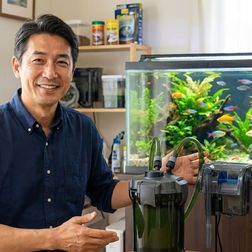
Ever stood in front of a wall of aquarium filters, completely overwhelmed by GPH ratings and filtration jargon, only to buy something that turns your tank into a fish washing machine? In this episode, Kenji Takahashi draws on fifteen years of fishkeeping experience—from 5-gallon betta setups to 150-gallon community tanks—to break down exactly how canister, hang-on-back, and sponge filters compare. Whether you're setting up your first tank or upgrading an existing system, you'll learn how to match filter type to your tank size, fish species, and realistic maintenance schedule. The GPH rating on filter boxes is measured with empty, brand-new units—once you add media and biological growth accumulates, expect only 70-80% of that advertised flow, so buying one size up is smart planning. For most freshwater tanks, aim for 4-6x water turnover per hour, but species matter: bettas and fancy goldfish need gentler flow, while tetras and corydoras thrive with stronger circulation that keeps debris suspended. Never rinse filter media under tap water—chlorine kills the beneficial bacteria colonies responsible for converting ammonia, which explains those mysterious ammonia spikes many beginners experience after "cleaning" their filters. Canister filters offer the most customizable media capacity and longest maintenance intervals (2-3 months), but servicing them is a 20-30 minute project that can become a frustrating hassle with poorly designed models. Sponge filters are the easiest to maintain (two minutes every couple weeks) and excel at biological filtration, making them ideal for breeding tanks, hospital setups, or anyone who wants minimal fuss. The best filter isn't the most powerful one—it's the one that matches your realistic maintenance habits, because a neglected premium filter will always perform worse than a modest filter that actually gets serviced. Read the full article: https://totalpetparent.com/aquarium-filter-types-explained
Turtle Tank Setup Checklist: Basking Platforms, UVB Lighting, Filtration, and Water Depth Requirements
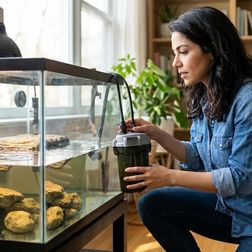
Setting up a turtle tank is far more complex than most new owners expect—forget the cute little bowl with a plastic palm tree. This episode walks through every essential component of a proper turtle habitat, from tank sizing and water depth requirements to basking platforms, UVB lighting systems, and filtration that actually keeps up with these messy reptiles. Whether you're preparing for a red-eared slider hatchling or adopting an adult painted turtle, host Mariana Vasquez delivers the comprehensive checklist you need to avoid costly mistakes and keep your shelled friend healthy from day one. Tank length and width matter more than depth—turtles are horizontal swimmers who need floor space to move, not tall water columns, so always choose longer, wider tanks over taller ones. Water depth requirements vary dramatically by species: strong swimmers like red-eared sliders thrive in water 1.5 to 2 times their shell length, while musk and mud turtles prefer shallower setups equal to their shell length since they tire easily. Basking platforms must allow turtles to get completely dry—partial submersion defeats the purpose and leads to shell rot and fungal infections, so ensure the surface is textured, stable, and sized for your turtle's full body plus 30 percent extra room. UVB lighting rated at 10.0 or 12 percent is non-negotiable for calcium metabolism; without proper UVB exposure, turtles develop metabolic bone disease within months. Use the ten-gallon rule for adult tank sizing: ten gallons of water per inch of shell length, meaning a six-inch red-eared slider needs at least 60 gallons. For turtles exceeding ten inches, stock tanks or custom indoor ponds (100–300 gallons) often make more practical and financial sense than massive glass aquariums. Read the full article: https://totalpetparent.com/turtle-tank-setup-checklist
Aquarium Equipment Checklist: Everything You Need for a Successful Tank Setup
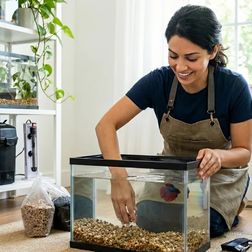
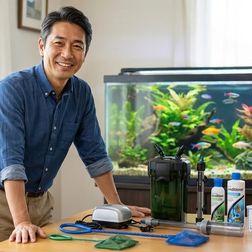
Setting up your first aquarium can quickly become an expensive lesson in what not to buy—or worse, what you forgot to buy entirely. In this episode, Kenji Takahashi draws on fifteen years of fishkeeping experience to walk you through every piece of equipment you actually need for a successful tank setup, organized by priority and function. Whether you're starting your first twenty-gallon freshwater tank or planning something more ambitious, you'll learn exactly why each item matters and what happens when you skip it or cheap out on the wrong things. Your filter should cycle your entire tank volume four to five times per hour, meaning a twenty-gallon tank needs a filter rated for at least eighty to one hundred gallons per hour—and slightly oversizing gives you breathing room as your bioload increases. The two to three watts per gallon rule helps you size your heater correctly, but you should bump up to the higher end if your home runs cold or the tank sits near a window. Lighting requirements depend entirely on your setup: fish-only tanks just need consistent day-night cycles, while planted tanks require specific PAR values ranging from thirty to over one hundred depending on plant species. Water conditioner isn't optional—municipal water treatment has become more aggressive, and untreated tap water will kill your beneficial bacteria and stress your fish. Liquid test kits are more accurate than strips for monitoring ammonia, nitrite, nitrate, and pH, and you'll use them constantly during the first month while the nitrogen cycle establishes. Substrate does more than look nice—beneficial bacteria need surface area to colonize, and bottom-dwelling fish like Corydoras require sand they can safely sift through. Read the full article: https://totalpetparent.com/aquarium-equipment-checklist
How to Set Up a Betta Fish Tank: Equipment, Water Conditions, and Habitat Requirements
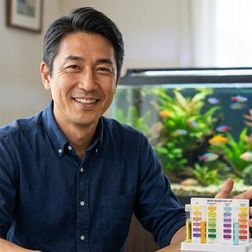
Setting up a betta fish tank seems simple until you're standing in the aquarium aisle overwhelmed by equipment choices—or worse, watching your new fish struggle because you skipped a critical step. This episode breaks down exactly what your betta needs to thrive, from tank size and filtration to the patience-testing cycling process that most beginners try to rush. Whether you're working with limited space in a studio apartment or just want to avoid the common mistakes that lead to sick fish, Mariana Vasquez walks you through the equipment, water conditions, and habitat requirements that actually matter. The myth that bettas can live in tiny bowls needs to die—they survive in cups at pet stores but thrive in tanks of 5 gallons or larger, where water temperature and chemistry stay stable. Strong filtration can actually harm bettas because their flowing fins make them terrible swimmers in heavy currents; sponge filters or adjustable-flow options work best. Bettas are tropical fish requiring a consistent 76–82°F water temperature, and room temperature isn't enough even in warm apartments—an adjustable heater is non-negotiable. New tanks need 4–6 weeks of cycling to establish beneficial bacteria before adding fish; skipping this causes "new tank syndrome," where ammonia spikes kill fish quickly. Tank shape matters more than you'd think—bettas are labyrinth fish that breathe surface air and patrol horizontally, so a long, shallow tank beats a tall, narrow one every time. Essential water parameters to monitor include ammonia and nitrite (both should be 0 ppm), nitrates under 20 ppm, and pH between 6.5 and 7.5. Read the full article: https://totalpetparent.com/how-to-set-up-a-betta-fish-tank
Aquarium Nitrogen Cycle Explained: Understanding Beneficial Bacteria and Water Chemistry for New Tanks
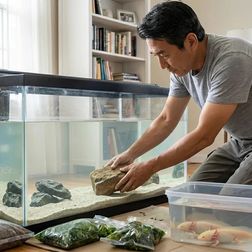
If you've ever watched fish die in crystal-clear water and couldn't figure out why, you're not alone. This episode dives into the aquarium nitrogen cycle—the invisible biological process that determines whether your tank becomes a thriving ecosystem or a death trap. Host Kenji Takahashi shares how learning about beneficial bacteria transformed his fishkeeping after a devastating first month, and breaks down exactly what's happening chemically in your tank so you can avoid the same mistakes. Ammonia from fish waste, urine, and decomposing food is incredibly toxic—even concentrations as low as 0.5 parts per million can damage gills and suppress immune function, yet it won't cloud your water or give any visible warning signs. The nitrogen cycle involves two distinct bacterial groups working in sequence: Nitrosomonas bacteria convert ammonia to nitrite, then Nitrobacter and Nitrospira convert nitrite to the less harmful nitrate. Nitrite is called "the silent killer" because it binds to fish hemoglobin and essentially suffocates them from the inside, even in well-oxygenated water—testing for ammonia alone isn't enough. Cycling a new tank properly takes four to eight weeks, and the bacteria need three things to thrive: dissolved oxygen from good water circulation, surfaces to colonize like filter media and substrate, and a steady ammonia source as food. Water temperature and pH significantly impact cycling speed—warmer water accelerates bacterial reproduction, while pH below 6.5 causes bacteria to struggle. Unlike ammonia and nitrite, nitrate doesn't get processed by typical aquarium bacteria, meaning regular water changes of twenty to thirty percent weekly are essential for keeping levels safe. Read the full article: https://totalpetparent.com/aquarium-nitrogen-cycle-explained
How to Set Up an Axolotl Tank: Complete Setup Guide for Water Parameters, Filtration, and Tank Size
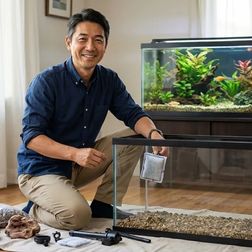
Those feathery gills and permanent smiles make axolotls look like fantasy creatures, but keeping one alive requires mastering something most fishkeepers never deal with: refrigerator-cold water. In this episode, Kenji Takahashi breaks down the complete setup process for an axolotl tank, covering everything from the four-to-six-week cycling timeline to why your tank placement near a sunny window could be a fatal mistake. Whether you're transitioning from tropical fish or starting fresh with aquatic pets, you'll learn exactly what equipment you need and why these Mexican salamanders demand a completely different approach than anything else in the hobby. Axolotls require water temperatures between 60–64°F year-round, which means most homes need an aquarium chiller ($200–600) or at minimum a clip-on cooling fan to prevent stress, immune suppression, and death from overheating. Tank dimensions matter more than volume—a 20-gallon long beats a 20-gallon high because axolotls are bottom-dwellers who spend 90% of their time walking along the substrate, making floor space more valuable than water depth. Your filter needs to be rated for 3–4 times your actual tank volume to handle their heavy waste output, but the flow must be gentle enough not to buffet their delicate gills—sponge filters or baffled canister outputs work best. Plan for 4–6 weeks of setup time before adding your axolotl; skipping the proper nitrogen cycling process leads to ammonia burns on those sensitive feathery gills. Substrate choice is critical: use only fine sand under 1mm grain size or go bare-bottom, as gravel poses a serious impaction risk when axolotls accidentally swallow it while feeding. A fully setup 40-gallon tank weighs 400–450 pounds, so you need a stand specifically rated for aquarium use—regular furniture won't cut it. Read the full article: https://totalpetparent.com/how-to-set-up-an-axolotl-tank
Best Aquarium Starter Kits for Beginners: Complete Tank Systems Reviewed
Standing in the aquarium aisle surrounded by filters, heaters, and tanks can leave any beginner completely overwhelmed—and missing essential equipment you didn't even know you needed. In this episode, longtime fishkeeper Kenji Takahashi breaks down everything you need to know about choosing a complete aquarium starter kit that actually sets you up for success. Whether you're setting up your first freshwater community tank or finally diving into the hobby, you'll learn which features matter most and which corners budget kits cut that'll cost you later. Bigger tanks are actually easier for beginners—a 20-gallon setup dilutes waste and buffers pH swings far better than a 5-gallon tank, giving you time to correct mistakes before they become disasters. The filter is where cheap kits cut corners most often; look for one rated at 1.5 to 2 times your tank volume with modular media you can rinse and reuse, rather than cartridges that crash your nitrogen cycle monthly. Most community fish like tetras, guppies, and corydoras are tropical and require a heater, but many starter kits don't include one—check the contents carefully before buying. Basic LED lighting included in starter kits works perfectly fine for fish-only setups and low-light plants like java fern and anubias; you can always upgrade later once you're comfortable with water parameters. Hoods and lids matter more than most beginners realize—they prevent fish from jumping out, reduce evaporation that concentrates dissolved solids, and keep dust and pet hair out of your tank. Read the fine print on "complete" kits—some don't include substrate, water conditioner, or even a net, all of which you'll need immediately. Read the full article: https://totalpetparent.com/best-aquarium-starter-kits-for-beginners