
The Pet Parent Podcast
di Total Pet Parent
Bodhi Dog Potty Training Spray Setup: Everything You Need for Fast Results
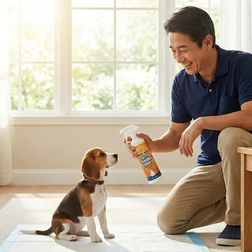
Potty training sprays promise fast results, but most pet parents spray and pray without the supporting system that actually makes them work. In this episode, Kenji Takahashi breaks down the complete setup checklist he used to help house-train a Golden Retriever puppy in just nine days—revealing why the same Bodhi Dog spray that failed for one household succeeded spectacularly in another. If you've tried attractant sprays before with disappointing results, or you're about to start training a new puppy, this episode shows you exactly what needs to be in place before you ever press that spray nozzle. Size matters more than you'd think: the 16-ounce bottle is essential because running out during the critical first two weeks destroys the consistency that makes training work. Budget puppy pads can sabotage your efforts—when urine seeps through and pads feel wet, puppies avoid them entirely, which completely undermines the spray's attractant effect. Never use ammonia-based cleaners on accident spots; enzymatic cleaners are non-negotiable because they break down uric acid crystals that otherwise encourage re-marking in the wrong locations. Clean all previous accident sites with enzymatic cleaner at least 24 hours before starting—if your puppy can still smell old pee spots, the spray is fighting an uphill battle against established scent markers. Over-spraying is a real risk; following the manufacturer's specific application distance and frequency recommendations prevents creating an overwhelming scent that can actually repel puppies. The first 72 hours require near-constant supervision, so clear your schedule—starting during a busy week almost guarantees the inconsistency that extends training timelines significantly. Read the full article: https://totalpetparent.com/bodhi-dog-potty-training-spray-setup
NatureVet Potty Here Training Aid Spray Explained: Ingredients and Effectiveness
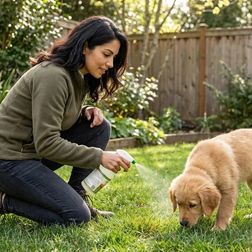
Can a simple spray really help house train your dog, or is it just another overhyped pet product? In this episode, host Mariana Vasquez puts aside her initial skepticism to investigate NatureVet Potty Here Training Aid Spray, breaking down the actual science behind scent-based training aids. Whether you're struggling with a new puppy, dealing with apartment living challenges, or helping an older dog with cognitive changes, this deep dive into ingredients, olfactory biology, and behavioral conditioning will help you decide if this tool belongs in your training routine. The spray works by using synthetic pheromone analogs that mimic chemical signatures in dog urine, creating a "scent anchor" that signals to your dog this is an appropriate elimination zone. Dogs have approximately 300 million olfactory receptors compared to humans' 6 million, which explains why scent-based training tools can be so effective when used properly. The ingredient list includes purified water, a proprietary pheromone blend, potassium sorbate, sodium benzoate, and undisclosed natural scent compounds—standard transparency for the training aid category, though not ideal. Application requires three to four sprays on the target area, with reapplication every six to eight hours during initial training since that's when the scent remains most potent. This spray is a behavioral modification tool, not a miracle solution—it only works effectively when combined with consistent schedules, positive reinforcement, and attention to your dog's pre-elimination cues. NatureVet has been formulating pet products since 1994 with a focus on natural ingredients and veterinary-backed formulations, setting their attractant apart from generic discount store options. Read the full article: https://totalpetparent.com/naturevet-potty-here-training-aid-spray-explained
How to Choose the Right Potty Training Spray for Your Puppy
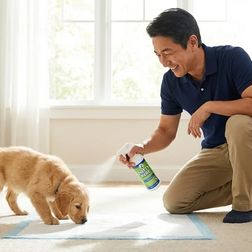
Potty training sprays sound like snake oil—until you watch one actually work. In this episode, Kenji Takahashi shares how his skepticism completely flipped after witnessing his sister's golden retriever puppy go from constant accidents to hitting the pad consistently within just two days. He breaks down the real science behind why these sprays work, explains the critical difference between pheromone-based and scented formulas, and helps you figure out which type matches your specific puppy's age, breed, and training situation. If you've been cleaning up messes for weeks and wondering whether these products are worth the money, this guide will save you from buying the wrong bottle. Pheromone-based sprays tap into hardwired canine behavior that puppies develop as early as three weeks old, making them faster and more effective than herbal-scented alternatives for most dogs. Flat-faced breeds like pugs and bulldogs may react poorly to synthetic pheromones—watch for repeated sneezing, nose rubbing, or avoidance of the treated area as signs you need a gentler formula. Avoid sprays listing alcohol as a primary ingredient, especially for puppies under sixteen weeks, since the harsh smell can repel dogs and irritate their sensitive paw pads and noses. Quality pheromone sprays list "proprietary pheromone blend" or specific stabilizer compounds like methyl p-hydroxybenzoate within the first three ingredients—vague labels saying "natural scents" usually indicate filler products. Small breeds under twenty pounds at adult weight have different bladder control timelines than large breeds, which affects how you should approach spray selection and training expectations. Plan to test your chosen formula for three to five days and get your pet store's return policy in writing, since finding the right match often requires trying more than one product. Read the full article: https://totalpetparent.com/how-to-choose-the-right-potty-training-spray-for-your-puppy
House Training Aid for Puppies: Complete Setup Checklist
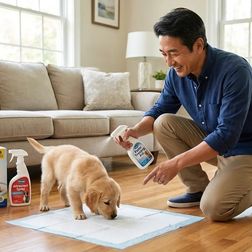
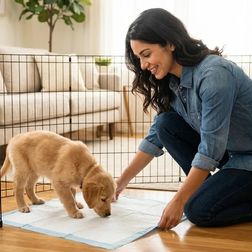
Getting a new puppy home is exciting, but house training can quickly become overwhelming if you're not prepared with the right supplies from day one. In this episode, host Mariana Vasquez walks through a comprehensive setup checklist covering every physical item, space consideration, and backup supply you'll need to establish successful potty habits. Whether you're bringing home an eight-week-old puppy or preparing for a future furry family member, this guide answers the critical question: what exactly do I need on hand before accidents start happening? Potty training sprays with pheromone attractants help signal "bathroom spot" to puppies aged 8 weeks to 6 months, and should be applied to designated areas before each scheduled potty break. A properly sized crate—just big enough for your puppy to stand, turn, and lie down—activates their natural den instinct to avoid soiling their sleeping space, with adjustable dividers letting you expand as they grow. Enzymatic cleaners containing protease and amylase enzymes are essential because they break down uric acid crystals that regular cleaners leave behind—those invisible deposits are what draw puppies back to re-soil the same spot. Using a dedicated 6-foot leash exclusively for bathroom breaks creates a Pavlovian association that helps puppies understand potty trips aren't playtime. A black light UV flashlight reveals dried urine accidents on carpets, baseboards, and furniture that you'd otherwise miss, which is especially valuable in homes with previous pet owners. Rewarding your puppy within 3 seconds of successful elimination is crucial during the 8 to 12 week period when short-term memory is still developing, making a dedicated treat pouch essential for proper timing. Read the full article: https://totalpetparent.com/house-training-aid-for-puppies
Dog Potty Training Aids Explained: Sprays, Pads, and Attractants That Work
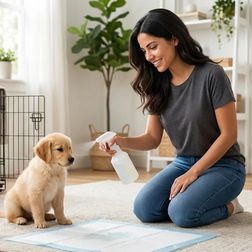
Ever stood in the pet store aisle overwhelmed by dozens of potty training sprays and pads, wondering which ones actually work? In this episode, Kenji Takahashi shares hard-won lessons from helping his sister house-train a Golden Retriever puppy—despite his expertise being in fish tanks, not dogs. He breaks down exactly what separates effective training aids from expensive air fresheners and explains why matching products to your dog's age and training stage makes all the difference. Effective potty training sprays contain pheromone compounds or scent markers that trigger dogs' natural instincts—products listing only essential oils like lavender or eucalyptus without these attractants won't communicate "go here" to your puppy. Puppies under six months respond better to pheromone-based attractants because their scent-marking instincts aren't fully developed, while older dogs and rescues often need products with territorial scent markers. Quality training pads have at least five layers including a super-absorbent polymer core—cheap pads skip the distribution layer, causing liquid to pool and creating negative associations when puppies step in it. Pad size matters more than most people realize: puppies circle before squatting, so undersized pads lead to missed edges. Sizing up dramatically improved one Golden Retriever's success rate from inconsistent to 90 percent. Products that eliminate odors for humans don't necessarily remove the scent markers dogs use to identify potty spots, creating competing needs between removing wrong-spot smells and preserving attractant scents in designated areas. For outdoor spot training, buy attractant sprays in 16 to 32 ounce bottles—small four-ounce bottles run out after just one week of twice-daily applications. Read the full article: https://totalpetparent.com/dog-potty-training-aids-explained
How to Use Puppy Training Spray for Potty Training Success
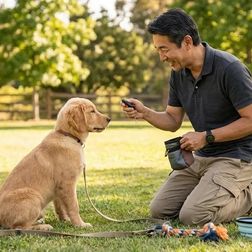
If you're currently surrounded by puppy puddles and wondering whether there's a faster way to communicate where your dog should actually do their business, this episode is for you. Host Mariana Vasquez breaks down exactly how puppy training spray works and why it's not too good to be true. You'll learn the step-by-step process for using these scent-based tools effectively, from choosing the right potty spot to timing your applications for maximum success. Whether you're training outdoors or using pee pads, this beginner-friendly guide shows you how to see significant improvement within one to two weeks. Spraying multiple spots "just in case" actually confuses your puppy—choose one specific three-foot by three-foot area and commit to it completely. Application technique matters more than most people realize: hold the bottle six to eight inches away, apply three to five concentrated sprays, and do it two to three minutes before bringing your puppy to the area so the scent settles at ground level. The spray works by mimicking pheromones that trigger your puppy's natural instinct to eliminate where other dogs have gone, but it won't make a puppy with an empty bladder suddenly need to go. Pair the spray with smart scheduling around key trigger times: immediately after waking, within fifteen to twenty minutes of eating or drinking, after play sessions, and every two to three hours during the day. When your puppy is in the scented zone, resist the urge to hover or cheer them on—stand quietly, be boring, and let the training spray do its job of attracting them and triggering the elimination reflex. Clean any accident areas with enzymatic cleaner before applying training spray, since residual scents from wildlife, other dogs, or cleaning products can interfere with effectiveness. Read the full article: https://totalpetparent.com/how-to-use-puppy-training-spray-for-potty-training-success
Puppy Training Aids Checklist: Essential Tools for Your First 90 Days
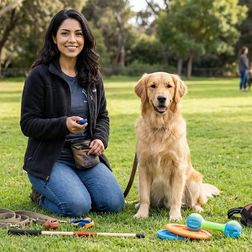
Those first weeks with a new puppy can feel like chaos—puddles on the carpet, chewed belongings, and a furry bundle of energy who has no idea what you're trying to communicate. In this episode, Kenji Takahashi draws on a decade of hands-on experience to break down the essential training tools you actually need for your puppy's first 90 days. Whether you're a first-time dog owner feeling overwhelmed or preparing to bring home a new addition, this guide cuts through the noise to help you avoid expensive mistakes and set your puppy up for success from day one. You only need five core training tools to get started: a well-fitted harness or collar, a clicker or marker, high-value treats, designated potty training aids, and a confinement solution—everything else is optional based on your specific challenges. Puppies grow remarkably fast, especially large breeds, so training equipment must be adjustable or sized for both current weight and anticipated growth to prevent escape risks or discomfort that creates negative associations with training. The American Kennel Club recommends avoiding retractable leashes for puppies still learning leash manners because they don't provide the consistent feedback needed to establish boundaries—a standard six-foot leash offers much better control. Training aids should support positive reinforcement methods, as behavioral science consistently shows this approach is most effective; the American Veterinary Society of Animal Behavior explicitly recommends against punishment-based tools like shock collars or prong collars, which can create anxiety and long-term behavioral issues. Breed and temperament matter more than most people realize—what works perfectly for a food-motivated Labrador may completely fail with an independent Husky or a toy breed who gets full after just a few treats. Durability and cleanability are essential since puppies are impressively messy; cheap training pads or fabric treat pouches that can't survive repeated washing will cost you more in the long run and potentially confuse your puppy's learning. Read the full article: https://totalpetparent.com/puppy-training-aids-checklist
What Are Canine Training Aids? Understanding Modern Dog Training Equipment
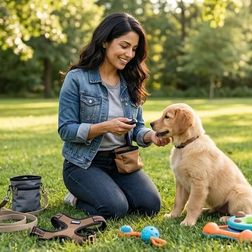
Ever stood in the pet supply aisle completely overwhelmed by the sheer variety of dog training equipment? You're not alone. In this episode, host Mariana Vasquez brings her fresh perspective as a small-pet specialist to explore the surprisingly vast world of canine training aids—from basic clickers and treat pouches to sophisticated electronic devices. Whether you're a new dog owner or simply curious about modern training methods, this 15-minute guide breaks down what these tools actually do and how to choose the right ones for your specific situation. Canine training aids fall into four core categories: positive reinforcement tools (clickers, treats), management aids (crates, gates, leashes), communication devices (whistles, long lines), and behavior-specific aids (potty sprays, anxiety wraps)—and matching the right category to your specific challenge is essential. Puppies require age-appropriate equipment sized for developing bodies, including adjustable harnesses instead of collars to protect vulnerable necks and tracheas, plus pea-sized training treats to avoid overfeeding during frequent reward sessions. Your training philosophy determines which aids you'll actually use—positive reinforcement trainers rely heavily on markers, high-value treats, and target sticks, while management tools like long lines and front-clip harnesses work across different training approaches. Dog age categories matter when selecting equipment: puppy (8 weeks–6 months), adolescent (6–18 months), adult (18 months–7 years), and senior (7+ years), with each stage requiring different considerations for size, physical limitations, and cognitive needs. Training aids range dramatically in price from under five dollars to several hundred, so being realistic about your budget before shopping prevents impulse purchases that don't match your actual training goals. Senior dogs may need specialized equipment that accounts for physical changes like arthritis, which affects how they interact with place boards or platforms, plus clearer marker signals for potential cognitive changes. Read the full article: https://totalpetparent.com/what-are-canine-training-aids-understanding-modern-dog-training-equipment
Best Puppy Training Tools for New Dog Owners in 2026
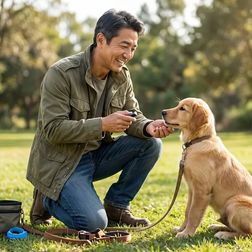
Bringing home a new puppy is exciting—until you're standing in the pet store aisle overwhelmed by clickers, harnesses, treat pouches, and gadgets you can't even identify. In this episode, Mariana Vasquez breaks down exactly which training tools you actually need during those critical first 90 days, what to skip, and how to choose gear that supports positive reinforcement without wasting money on equipment your puppy will outgrow in weeks. Whether you're a first-time dog owner or just want to avoid the panic-call-to-a-friend scenario, this guide will give you the confidence to start training right. Puppies aren't miniature adult dogs—their fragile tracheas and developing joints require age-appropriate gear, so look for harnesses with at least four to five adjustment points and avoid aversive tools like choke chains or prong collars entirely before six months of age. The two-finger rule is essential for collar fit: you should be able to slip two fingers between the collar and your puppy's neck, but it shouldn't be loose enough for them to back out of it. Your clicker and treat pouch can make or break a training session—choose a clicker with a softer tone that won't startle sensitive puppies, and skip Velcro pouches in favor of silent-open designs that allow one-handed access within that critical half-second reward window. Puppies between three and seven months old will destroy flimsy gear, so invest in reinforced nylon webbing, marine-grade hardware, and natural rubber toys rated for aggressive chewers even if your pup seems gentle now. Breed differences matter more than generic sizing charts suggest—brachycephalic breeds like pugs need harnesses instead of collars due to compromised airways, while working breeds benefit from longer 15- to 30-foot training leashes for early recall practice. Buy tools that grow with your puppy to save money and reduce confusion, such as training leashes with multiple clip points and treat pouches with dividers for separating high-value rewards. Read the full article: https://totalpetparent.com/best-puppy-training-tools-for-new-dog-owners-in-2026
Dog Training Aids: Complete Guide to Tools That Help Puppies and Adult Dogs Learn Faster
Ever watched someone struggle for weeks to teach their dog a basic command, only to see another owner accomplish the same thing in days? The difference often comes down to using the right training aids at the right time. In this episode, Kenji Takahashi draws on his experience helping train a rescue puppy to break down the complete world of dog training tools—from clickers and treats to potty sprays and harnesses. Whether you're bringing home a new puppy or working with an adult dog who needs to unlearn some habits, you'll discover how these tools act as communication bridges between you and your dog, turning frustrating sessions into productive ones. Training aids aren't shortcuts or gimmicks—they're translators that help bridge the communication gap between humans and dogs, making it easier for your pet to understand exactly what you're asking. Timing is everything with positive reinforcement: rewards must come within one to two seconds of the desired behavior, which is why clickers are so effective—they mark the exact moment of success faster than you can reach for a treat. The category of training aids is broader than most people realize, spanning physical control tools like leashes and harnesses, communication markers like clickers, consumable rewards like training treats, and environmental aids like potty sprays and pads. Puppies under 12 months learn everything from scratch and typically respond faster to positive reinforcement, while adult dogs may need different tools or more patience when unlearning established patterns. Front-clip harnesses don't force compliance—they simply redirect pulling dogs toward you, making the correct behavior easier to choose than the incorrect one. Potty training sprays contain pheromone-like compounds that tap into your dog's natural instincts, essentially creating an olfactory map that says "this is the bathroom" while keeping other areas unmarked. Read the full article: https://totalpetparent.com/dog-training-aids