
The Pet Parent Podcast
di Total Pet Parent
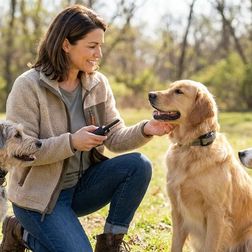
Best Dog Training Collars: Buyer's Guide for Every Training Need and Dog Size
Choosing the wrong training collar is one of the most common mistakes dog owners make, and professional groomer Jasmine Caldwell has seen the consequences firsthand after nearly a decade at the grooming table. In this episode, she breaks down exactly how to match a training collar to your dog's size, coat type, and temperament so you can build clear communication without frustration. Whether you're managing a tiny terrier or a giant breed puppy who drags you down the sidewalk, this guide helps you find the right tool for your specific situation. Training collars come in different types for different needs. Remote collars use vibration or gentle stimulation you control, spray collars puff air or citronella, and vibration-only collars give a buzz like a phone on silent. Each works better for certain dogs and situations. Size matters more than most people realize. A collar built for a big dog will slide around on a small dog's neck and won't work right. You need to measure your dog's neck and check the weight of the collar so it doesn't drag down a tiny pup. Fluffy dogs need longer contact points. The metal pieces that touch your dog's skin come in different lengths. Dogs with thick double coats like Huskies need longer ones so the signal actually reaches through all that fur instead of getting lost in fluff. More stimulation levels give you better control. Think of it like volume on a TV. A collar with lots of small adjustments lets you find the exact level where your dog notices without being overwhelmed, and most dogs respond to much lower settings than owners expect. Range and waterproofing depend on where you train. Backyard training needs less range than off-leash hiking, and if your dog loves water or mud, you need a collar rated to survive getting soaked or your investment dies fast. Show Links Affiliate Disclosure: As an Amazon Associate I earn from qualifying purchases. Full article: https://totalpetparent.com/best-dog-training-collars-buyer-s-guide-for-every-training-need-and-dog-size SportDOG Brand 425X Remote Trainer - https://www.amazon.com/s?k=SportDOG%20Brand%20425X%20Remote%20Trainer&tag=totalpetparent-20 Garmin Delta XC Bundle - https://www.amazon.com/s?k=Garmin%20Delta%20XC%20Bundle&tag=totalpetparent-20 PetSafe Remote Spray Trainer - https://www.amazon.com/s?k=PetSafe%20Remote%20Spray%20Trainer&tag=totalpetparent-20 Educator E-Collar Remote Dog Training Collar - https://www.amazon.com/s?k=Educator%20E-Collar%20Remote%20Dog%20Training%20Collar&tag=totalpetparent-20 PATPET P-Collar 330 Rechargeable Dog Training Collar - https://www.amazon.com/s?k=PATPET%20P-Collar%20330%20Rechargeable%20Dog%20Training%20Collar&tag=totalpetparent-20 PetSafe Elite Little Dog Remote Trainer - https://www.amazon.com/s?k=PetSafe%20Elite%20Little%20Dog%20Remote%20Trainer&tag=totalpetparent-20 Related Articles Dog Training Collars: Complete Guide to Types, Safety, and Effective Use - https://totalpetparent.com/dog-training-collars-complete-guide-to-types-safety-and-effective-use How to Puppy-Proof Your Home Before Bringing a Dog Home - https://totalpetparent.com/how-to-puppy-proof-your-home-before-bringing-a-dog-home How to Use Puppy Training Spray for Potty Training Success - https://totalpetparent.com/how-to-use-puppy-training-spray-for-potty-training-success Senior Dog Dental Care: Understanding Aging Teeth and Gum Health - https://totalpetparent.com/senior-dog-dental-care Best Automatic Dog Feeders: 10 Smart Feeders for Busy Pet Parents (2024) - https://totalpetparent.com/best-automatic-dog-feeders
Senior Dog Care: Complete Guide to Caring for Your Aging Dog

Your dog's needs at age ten look nothing like they did at age two—and recognizing that shift can mean the difference between years of comfort and years of preventable pain. This episode dives into the complete picture of senior dog care, from understanding when your specific breed actually becomes a senior to making practical environmental changes that provide immediate relief. Whether you're noticing your dog hesitate before jumping on the couch or simply want to prepare for the years ahead, this guide covers the veterinary strategies, nutrition adjustments, and daily modifications that keep aging dogs thriving. Dogs become seniors at vastly different ages based on size—giant breeds over 90 pounds may reach senior status as early as five to seven years, while small breeds under 20 pounds might not get there until ten to twelve years old. Senior dogs should shift from annual to biannual vet visits, with bloodwork, urinalysis, and blood pressure monitoring designed to catch kidney disease, diabetes, and thyroid disorders before symptoms appear. Contrary to popular belief, senior dogs actually need higher-quality protein (18–25%) to maintain muscle mass, not less protein—though they do require fewer overall calories as metabolism slows. Simple environmental changes like orthopedic beds (4–6 inches thick), non-slip mats on hardwood floors, and low-incline ramps can provide immediate relief for dogs with joint stiffness. Exercise should shift from one long walk to two or three shorter outings of 15–20 minutes each, prioritizing consistent gentle movement over sporadic intense activity. Mental stimulation matters as much as physical care—scent work games, interactive feeders, and short training sessions keep cognitive pathways active in dogs who can no longer handle physically demanding play. Read the full article: https://totalpetparent.com/senior-dog-care
Complete Aquarium Setup Guide: Equipment, Cycles, and Species Selection for Freshwater and Saltwater Tanks

Ever stared at a pile of aquarium equipment wondering if you're about to create a thriving underwater ecosystem or an expensive disaster? This episode breaks down the complete process of establishing a functioning aquatic environment—from understanding the critical nitrogen cycle to selecting compatible species for your tank. Whether you're a first-timer eyeing a freshwater setup or ready to dive into the more demanding world of saltwater and reef systems, host Kenji Takahashi shares the hard-won lessons that separate successful aquariums from frustrating failures. The nitrogen cycle is the foundation of any successful aquarium and takes four to eight weeks to establish—skipping this step leads to toxic ammonia spikes that can kill fish within days. Biological filtration is more important than fancy filter features; prioritize filter media surface area where beneficial bacteria colonies can thrive over mechanical bells and whistles. Freshwater tanks are more forgiving and less expensive than saltwater setups, making them the recommended starting point for beginners before graduating to marine systems. Temperature stability matters more than hitting an exact number—most tropical freshwater fish thrive at 75 to 80 degrees Fahrenheit, while reef tanks need a narrower 76 to 78 degree range. Lighting serves multiple purposes beyond visibility, including driving plant photosynthesis, regulating fish behavior through day/night cycles, and providing corals with the specific spectrum needed for survival. Water chemistry demands differ dramatically between systems—freshwater requires monitoring pH and hardness, while saltwater adds salinity, calcium, alkalinity, and magnesium to your testing routine. Read the full article: https://totalpetparent.com/complete-aquarium-setup-guide
How to Recognize and Manage Cognitive Decline in Senior Dogs
If your senior dog has started pacing at night, staring blankly at walls, or forgetting where their water bowl is, you're not imagining things—and you're not alone. Cognitive decline affects up to 35 percent of dogs over age eight, yet many pet parents don't recognize the early warning signs until the condition has progressed significantly. This episode breaks down exactly how to identify cognitive dysfunction in aging dogs, what's actually happening in their brains, and the practical management strategies that can genuinely improve quality of life for both you and your beloved companion. The DISHAAL acronym helps you spot the seven major signs of canine cognitive dysfunction: Disorientation, changed Interactions, Sleep-wake disturbances, House soiling, Activity changes, Anxiety, and Learning/memory deficits. Many conditions that mimic dementia in senior dogs—including hypothyroidism, arthritis pain, urinary tract infections, and hearing or vision loss—are actually treatable, making a comprehensive veterinary exam essential before assuming cognitive decline. Documenting specific behaviors with dates and times gives your veterinarian actionable information, while vague descriptions like "acting weird" make diagnosis much harder. Simple environmental modifications like LED motion-sensor night lights, non-slip rugs creating clear pathways, and baby gates blocking hazardous areas can dramatically reduce confusion and injury risk. Maintaining a consistent daily routine posted visibly in your home helps everyone in the household support your senior dog the same way, reducing anxiety-triggering unpredictability. Puzzle toys for cognitively declining dogs should be simple and confidence-building rather than advanced designs that cause frustration. Read the full article: https://totalpetparent.com/how-to-recognize-and-manage-cognitive-decline-in-senior-dogs
Senior Dog Dental Care: Understanding Aging Teeth and Gum Health
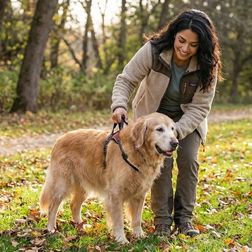
If your senior dog's breath has become impossible to ignore, you might be overlooking a serious health issue that goes far beyond unpleasant odors. This episode dives deep into why dental problems in older dogs progress silently for months or even years before becoming obvious, and what you can do to stay ahead of the damage. Groomer Jasmine Caldwell shares nearly a decade of hands-on experience working with aging dogs, explaining the unique challenges that make dental care in seniors so different from routine maintenance in younger pets. Whether your dog is showing early warning signs or you want to prevent problems before they start, this conversation covers the prevention, monitoring, and intervention strategies every senior dog owner needs. Periodontal disease affects approximately 80% of dogs over three years old, and that percentage climbs significantly higher in geriatric dogs due to weakened immune responses and cumulative damage. Senior dogs are hardwired to hide dental pain, so by the time they're pawing at their face or dropping food, the problem is usually already advanced—one dog had a fractured tooth for weeks while still eating normally by simply favoring the other side of her mouth. The timeline for dental issues compresses dramatically in older dogs; mild tartar at five years old might not cause problems for years, but by nine or ten, infections flare faster and bone loss accelerates. Tennis balls act like sandpaper on teeth, and years of chewing on them or bones wears down enamel, exposing the softer dentin layer underneath to decay and damage. Bacteria from infected gums can enter the bloodstream and seed infections in the heart, liver, or kidneys—dogs with severe periodontal disease show more than twice the incidence of heart valve changes compared to those with healthy mouths. Effective senior dog dental care functions like a three-legged stool: daily at-home prevention, regular professional monitoring, and timely intervention when problems surface—skip any one element and the whole approach fails. Read the full article: https://totalpetparent.com/senior-dog-dental-care
How to Adjust Exercise Routines for Elderly Dogs

Is your senior dog slowing down on walks or seeming reluctant to play like they used to? This episode tackles a common misconception about exercising older dogs—it's not about doing less, it's about doing differently. Host Mariana Vasquez shares insights gained from caring for a 12-year-old Labrador, walking you through how to recognize when your dog needs routine changes, create age-appropriate activities, and keep your aging companion safe and genuinely engaged. Whether you're new to geriatric dog care or simply want to help your longtime friend stay mobile and happy, this guide provides a practical two-to-three week transition plan anyone can follow. Senior status varies dramatically by dog size—giant breeds like Great Danes become seniors at 5-6 years, while small breeds don't reach that stage until 10-11 years, which affects when you should start adjusting routines. A veterinary health assessment from within the last six months is essential before making any changes, including orthopedic evaluation, cardiac screening, and bloodwork to identify hidden conditions like early-stage arthritis. Spending one full week documenting your dog's current activity levels, comfort signs, and enthusiasm creates a crucial baseline for measuring whether your adjustments are actually working. The counterintuitive secret to senior dog exercise is often more sessions, not fewer—splitting one 45-minute walk into three 15-minute sessions prevents joint stiffness and muscle fatigue while maintaining mobility. Dogs often hide pain and continue activities out of loyalty or routine even when uncomfortable, so learning to distinguish genuine enjoyment from dutiful compliance is a critical observation skill. Essential gear for senior dog exercise includes non-slip paw protection, a supportive vest-style harness that doesn't strain joints, and an activity journal to track energy levels and any discomfort patterns. Read the full article: https://totalpetparent.com/how-to-adjust-exercise-routines-for-elderly-dogs
Everything You Need for Senior Dog Comfort: Home Modifications Checklist

Is your aging dog hesitating at stairs, struggling to stand up, or slipping on hard floors? These aren't signs of laziness—they're signals that your home has become physically challenging for your senior companion. This episode walks through a comprehensive room-by-room checklist of modifications that can transform your dog's quality of life, from flooring solutions and feeding station adjustments to sleep surface considerations. Whether you have a large breed showing signs at seven years or a smaller dog slowing down after ten, these practical changes address real comfort and safety needs without requiring major renovations. Slippery flooring is the single biggest hazard for senior dogs—hardwood, tile, and laminate become dangerous when arthritis affects their footing, and fear of falling can make dogs reluctant to move at all, accelerating muscle loss. Creating "traction zones" with non-slip yoga mats or rubber-backed runner rugs along your dog's most-traveled routes provides predictable safe pathways through your home. Elevated feeding platforms should be measured to your dog's chest height (floor to bottom of rib cage when standing) to reduce neck and spine strain during meals—typically 8–12 inches for medium dogs and 12–18 inches for large breeds. Placing multiple water stations throughout your home, especially near favorite resting spots and on every floor, prevents mobility-limited dogs from having to trek far when thirsty—critical for seniors with increased hydration needs. Regular nail trimming restores natural grip that overgrown nails compromise; long nails force dogs to walk on smooth pad surfaces rather than gripping naturally, which alters their gait and increases joint strain. Senior dogs may spend 14–18 hours daily lying down, making their sleeping surface less about luxury and more about genuine pain management for conditions like arthritis and hip dysplasia. Read the full article: https://totalpetparent.com/everything-you-need-for-senior-dog-comfort
Senior Dog Supplement Checklist: Vitamins, Joint Support and Cognitive Health
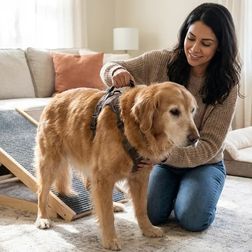
Is your aging pup slowing down, getting a little stiff, or seeming foggy lately? This episode tackles the supplement question every senior dog owner faces: should you reach for an all-in-one multivitamin or invest in targeted formulas for specific issues like joint pain or cognitive decline? Mariana Vasquez breaks down exactly when each approach makes sense, the therapeutic doses that actually work, and why baseline bloodwork matters before you start any supplementation program. Comprehensive multivitamins work best for early-stage seniors (ages 7–9 for large breeds, 10–12 for small breeds) with multiple mild issues, while targeted supplements deliver the higher potency needed for diagnosed conditions like arthritis or cognitive dysfunction. Most multivitamins contain far lower doses than therapeutic levels—around 300mg of glucosamine when a dog with moderate arthritis actually needs 1,500mg daily. For cognitive support, research suggests DHA doses of 40mg per kilogram of body weight can slow decline, which means roughly 900mg for a 50-pound dog—far more than any multivitamin provides. Joint-specific supplements should include glucosamine (1,000–1,500mg), chondroitin (800–1,200mg), and often MSM or green-lipped mussel for dogs struggling with stairs or showing visible pain response. Multivitamins can actually mask specific deficiencies that need veterinary attention—slight improvements might hide worsening underlying issues like anemia requiring B12 injections. The real cost comparison isn't just price per bottle: multivitamins offer better value for multiple mild issues, but you'll pay more per condition when using targeted supplements for several diagnosed problems. Read the full article: https://totalpetparent.com/senior-dog-supplement-checklist
Senior Dog Mobility Issues Explained: Arthritis, Joint Pain and Movement

If your senior dog hesitates at the stairs, struggles to rise after naps, or has lost their enthusiasm for walks, you're witnessing changes that millions of older dog owners face. This episode explores the progressive mobility challenges that transform energetic companions into cautious, sometimes painful versions of themselves. Whether your aging pup is a large breed showing early signs at five or a smaller dog entering their golden years, understanding what's happening inside those joints can help you provide the comfort and quality of life they deserve. Osteoarthritis affects approximately one in five adult dogs, with prevalence increasing significantly in geriatric populations—and it develops so gradually that many owners don't notice until the condition has significantly progressed. The classic "old dog stiffness" after naps happens because cartilage deterioration causes bone surfaces to rub together, triggering inflammation and the formation of bone spurs that further restrict movement. A vicious cycle accelerates decline: when movement hurts, dogs reduce activity, leading to muscle atrophy, which puts more stress on damaged joints, causing more pain and even less movement. Large and giant breeds often show mobility issues earlier (around five to six years) compared to smaller dogs, though weight-bearing stress affects all body types differently. Dogs are remarkably stoic about pain and often mask discomfort until it becomes severe—watch for subtle signs like reluctance to jump, limping after walks, or irritability when touched in certain areas. Mobility decline isn't just physical—it fundamentally affects your dog's mental health, social interactions, and overall quality of life when their bodies won't cooperate with their still-playful minds. Read the full article: https://totalpetparent.com/senior-dog-mobility-issues-explained
Senior Dog Health Checklist: Essential Veterinary Care and Monitoring
As our dogs enter their golden years, the shift from routine care to comprehensive senior monitoring can feel overwhelming—but it doesn't have to be. In this episode, small pet care specialist Mariana Vasquez applies her expertise in detailed health checklists to help dog parents navigate the unique demands of aging canine companions. Whether your giant breed is slowing down at five or your small breed is still sprightly at ten, this guide breaks down exactly what veterinary appointments should include, what to watch for at home between visits, and how to catch subtle changes before they become serious problems. Senior status varies dramatically by breed size—Great Danes may be considered senior at five or six, while Chihuahuas don't reach that stage until ten or eleven, which means your care timeline should adjust accordingly. Twice-annual veterinary visits become essential for aging dogs because conditions like organ dysfunction and cancer can progress rapidly between yearly appointments, making early detection critical for treatment success. Comprehensive bloodwork establishes baseline values for kidney function, liver enzymes, and blood cell counts, allowing veterinarians to spot organ decline before your dog shows any outward symptoms. Daily at-home monitoring acts as your early warning system—tracking water intake, counting sleeping breath rates (normal is ten to thirty per minute), and running your hands over your dog's body to detect new lumps or tender spots can reveal problems weeks before they become obvious. Behavioral changes like confusion, staring at walls, or forgetting familiar commands aren't just quirks of aging—they're potential indicators of cognitive decline that warrant veterinary attention. Muscle wasting over the spine, hips, and skull serves as an early indicator of inadequate protein intake, kidney disease, or chronic pain limiting movement, making body condition assessment just as important as checking the number on the scale. Read the full article: https://totalpetparent.com/senior-dog-health-checklist