Paying to be a guest on a podcast used to be a quiet, behind-the-scenes tactic. Now it feels like it’s everywhere. Open up Fiverr and you’ll see quite a few podcasts that will happily interview you for a fee. Even huge names like EOFire command upwards of $3500 to allow a guest on their show.
It kind of makes sense when you consider the visibility a podcast appearance can yield.
The question though is when podcasters openly charge for guest spots and agencies broker placements for a flat fee, is this actually worth the money?
If you’re a business owner or content creator wondering the same thing, you’re in luck. We asked 12 founders, marketers, and business owners to share their honest experiences with paid podcast appearances.
Some paid and saw results. Some paid and got burned. Others refused to pay at all. Here’s what they told us.
What Does It Actually Cost?
The price range is wider than you might expect. On the low end, people reported paying $200 to $500 for spots on niche or smaller shows. Mid-range placements landed between $750 and $2,000, typically on regional or industry-specific podcasts with established audiences. And at the top? Some shows charge well over $20,000 for a single appearance.
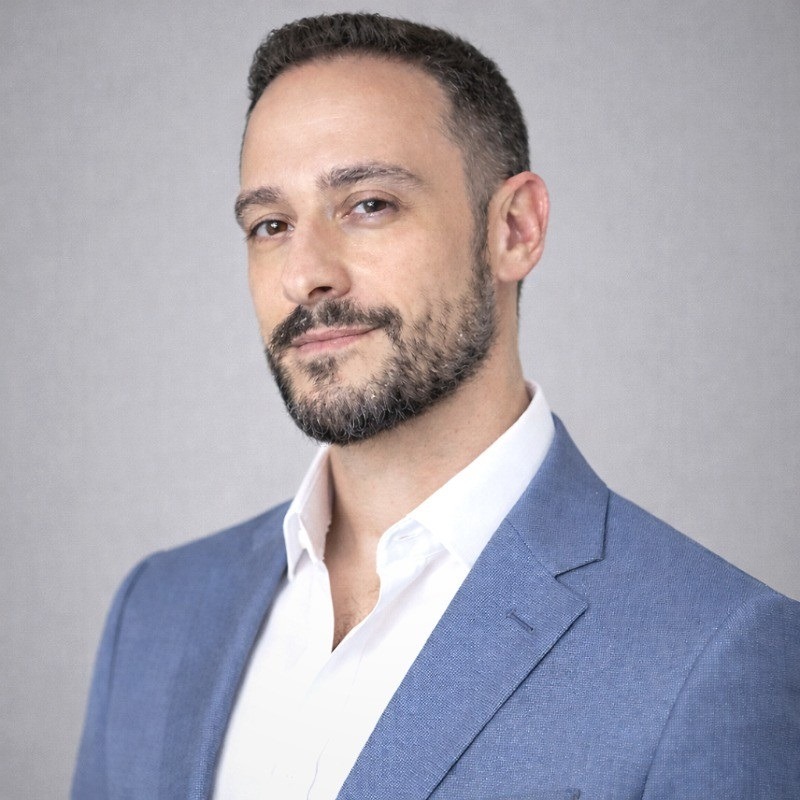
Daniel Hindi, founder of Noem.ai who has used booking agencies rather than paying podcasts directly, noted that he’s been solicited for spots costing “$20k+ for some of them.” Instead, he’s paid agencies a flat rate of $250 to $400 to syndicate his profile and get him booked.
His experience? He said, “The biggest challenge is attribution. It’s difficult to measure a podcast’s direct impact…Episodes often gain traction months after airing. Realistically, you should expect a ‘rising tide’ effect rather than a tidal wave.”
For some, the cost doesn’t always correlate with quality or results, which is a theme you’ll see repeated throughout this article.
The Wins: When Paying Actually Worked
Not every paid appearance is a bust. Several people we spoke to reported real, tangible outcomes.

Soban Tariq, Founder of Game of Branding, paid for spots on a couple of smaller podcasts and called the process “pretty transactional, basically just buying airtime.”
But, he says it worked. “One episode brought in so many discovery calls that we landed a new e-commerce client,” he said.
His takeaway was direct: “Only go for podcasts where the listeners are exactly your target customers, otherwise you’re just burning cash.”
Parker McInnis, paid about $2,000 for a regional business podcast and saw a different kind of return.
“The biggest win wasn’t an immediate flood of leads, but it established us as trusted local players,” he said. “We’ve had three sellers since then mention they heard the episode and felt like they already knew and could rely on us.”
Chris Mignone paid $1,600 to be featured on a podcast aimed at families navigating financial challenges. The volume of calls was low, but one listener facing foreclosure reached out, and his team was able to help. “That single ‘win-win’ outcome made the entire investment worthwhile,” he said.
And Sean Chaudhary, Founder of AlchemyLeads, found the biggest payoff wasn’t the episode itself. “The traffic spike was temporary, honestly. The real payoff was the relationship with the host. We ended up working on a few things together later.”
The Losses: When It Didn’t Pay Off
For every success story, there’s a cautionary tale.
Dan Tabaran paid $350 for his SaaS company to appear on a small podcast. “The result? Zero new customers,” he said. “It’s not about the audience size, it’s about the audience fit.”
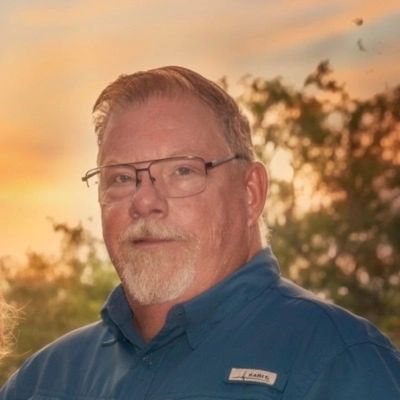
Rory Keel, Owner of Equipoise Coffee, paid a flat fee of about $750 for a mid-sized business podcast with roughly 8,000 downloads per episode. The process was efficient but sterile.
“There was a moment of spikes of downloads but hardly any referral traffic,” he said. Worse, the host rotated paid guests so quickly that it “watered down the credibility of both parties.” He found that unpaid appearances, where the host took time for real prep calls, consistently outperformed paid ones.
And then there’s the worst-case scenario. Dimitris Tsapis, Marketing Manager at TalkBI, paid a pseudonymous YouTube podcaster in cryptocurrency for a guest spot back in 2018. They recorded the episode. Then the host simply never published it.
“We reached out for a refund, but he had cleverly requested a payment in cryptocurrency, making refunds impossible,” Dimitris said. The host continued producing content and ignored all follow-up. “We later found out that this happens to many people who make deals directly with podcasters.”
The “It’s Complicated” Camp
Some experiences fell squarely in the middle.

Daria Turanska, Legal Manager at FasterDraft, paid in the low four figures for a single appearance and went in with clear eyes.
“I wasn’t paying for ‘exposure’ in the abstract, but for access to a very specific audience,” she said.
There was no spike in leads or downloads. But the episode became “a reusable asset I could reference in conversations with partners, investors, and press, and it shortened the trust-building cycle in ways that are hard to quantify but very real.”
Her advice: “The ROI was indirect rather than immediate, and I think that’s where people often misjudge these opportunities.”
Andrew Gazdecki, CEO of Acquire.com, tried one paid placement and found the format lacking. “It felt like a commercial, not a conversation. The host just read my company bio.”
While people did start recognizing the brand name months later, the experience reinforced his belief that “the best payoff comes from shows where the host is genuinely curious, not the ones you pay for.”
The Alternative: Paying an Agency Instead of a Podcast
A middle path some business owners take is hiring a PR team or booking agency to land podcast spots rather than paying the podcasts directly.
Daniel Hindi who we mentioned at the beginning of this post has taken this route, paying agencies $250 to $400 per placement. The tradeoff is that attribution is difficult.
“It’s difficult to measure a podcast’s direct impact, especially given the time horizon,” he said. “Episodes often gain traction months after airing. Realistically, you should expect a ‘rising tide’ effect rather than a tidal wave.”
Vince Tint, Founder of 12 Steps Marketing, has booked paid podcast spots for rehab clients at $200 to $500 per placement on niche health shows. “You get a quick SEO bump and maybe a few patient leads,” he said, “but the clients who got invited organically with a good story always built a more consistent patient pipeline long-term.”
The Case Against Paying at All
Not everyone we spoke to was willing to pay, and their reasoning is worth hearing.
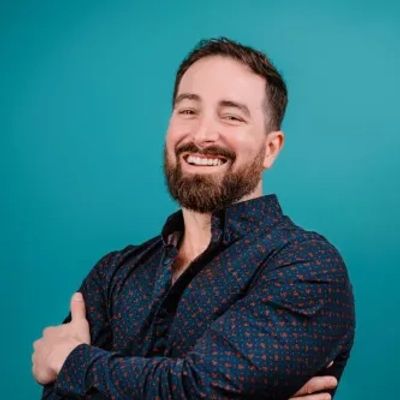
Aaron Watters, CEO of Leadhub for example, has appeared on several industry podcasts without ever paying.
“The whole ‘pay to play’ podcast model feels off to me,” he said. “If someone’s charging you to be a guest, they’re not building an audience that actually cares about what you have to say.”
His rule is simple: “If the content or platform is valuable, they shouldn’t need to charge you to appear. The moment money changes hands for a guest spot, the incentive shifts from ‘is this person valuable to my audience’ to ‘did they pay the invoice.’”
Tips If You’re Considering a Paid Podcast Appearance
Based on what these podcast guests shared, here’s how to approach a paid placement the smart way:
- Vet the audience before you pay. Multiple people said this was the single biggest factor. A small, targeted audience that matches your ideal customer is worth far more than a large, general one. Ask for listener demographics, not just download numbers.
- Treat it as a long-term credibility play, not a lead gen channel. Almost no one reported an immediate flood of leads. The people who felt good about their investment were the ones who used the episode as a reusable asset for months afterward.
- Watch out for red flags. If the host won’t share listener data, rotates guests too quickly, requests cryptocurrency payments, or won’t do a prep call, walk away.
- Negotiate what’s included (and get it in writing!). Some paid placements come with social promotion, newsletter features, and show notes with backlinks. Others give you a recording and nothing else. Know what you’re getting.
- Consider the agency route. If you want podcast exposure but feel uneasy about paying a host directly, a booking agency can broker placements for a fraction of the cost while adding a layer of accountability.
- Repurpose everything. Ask for the right to pull clips for social media, embed the episode on your website, reference it in sales conversations. The appearance itself is just the starting point.
Should You Pay to Be Featured on a Podcast?
That depends.
Paying could make sense if:
- The podcast audience closely matches your target customer or partner
- You treat it as a credibility and brand awareness investment, not a lead gen tool
- You have a plan to repurpose the content across other channels
- The host still conducts a genuine, editorial interview
- You’ve vetted the show, the host, and the terms thoroughly
Paying probably isn’t worth it if:
- You’re expecting a direct, measurable spike in sales or downloads
- The podcast accepts anyone willing to pay, regardless of fit
- The host treats it like a commercial read rather than a real conversation
- You can’t verify the audience size or demographics
- You haven’t tried earning organic guest spots first
The people who got the most out of paid placements went in with realistic expectations, a clear audience match, and a plan to squeeze value out of the episode long after it aired. The people who felt burned were usually chasing quick results from an audience that was never theirs to begin with.
Paid podcast guesting isn’t inherently good or bad. It’s a tool. Like any tool, the results depend entirely on how and why you use it.
Want to learn more about podcast guesting? Check out these posts: