WorldSnap – Geopolitics , Global Power Plays and International

WorldSnap – Geopolitics , Global Power Plays and International

by World Snap

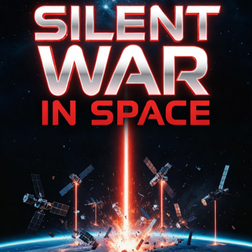
Silent War in Space: The Growing Threat of Satellite Sabotage in Low Earth Orbit
AI
In this eye-opening episode, we uncover the silent war unfolding high above us in Low Earth Orbit (LEO) — the crowded, critical zone packed with over 14,000 satellites that quietly power global internet, GPS navigation, finance, weather forecasting, disaster relief, and military operations worldwide. Once a peaceful domain, LEO has turned into one of the most strategically vital yet dangerously fragile regions in space. We explore the real and escalating threats of satellite sabotage — from kinetic anti-satellite weapons and space debris cascades to cyber attacks, signal jamming, and laser interference. Discover the terrifying risk of Kessler Syndrome, the regulatory vacuum that leaves the orbit wide open to exploitation, and why major powers like the US, China, and Russia are treating space as the next battlefield. A single incident could disrupt communications, economies, and security for billions of people. This is not science fiction — it’s the new reality of 21st-century geopolitics.

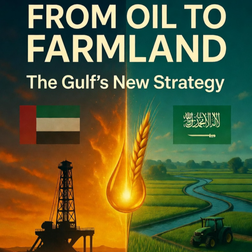
From Oil to Farmland: The Gulf’s New Strategy for Food Security
AI
In this episode, we explore one of the most fascinating shifts in modern geopolitics: how wealthy Gulf nations like the UAE and Saudi Arabia are moving from oil wealth to massive farmland investments along Sudan’s Nile River. Discover the smart concept of “virtual water,” the wake-up call of the 2008 food crisis, and how these long-term strategies are building real food security for millions while reshaping global agriculture. From advanced irrigation projects to the balance of benefits and challenges for local communities, this is a thoughtful look at resource diplomacy, economic diversification, and the future of our interconnected world.

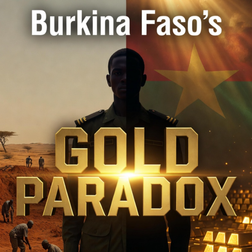
Burkina Faso’s Gold Paradox: How Resource Sovereignty is Reshaping the Sahel
AI
What happens when one of Africa’s top gold producers decides to take back control of its own wealth? In this thoughtful episode, we explore Burkina Faso’s Gold Paradox — a nation producing nearly 100 tonnes of gold annually, yet trapped in poverty for decades. We follow Captain Ibrahim Traoré’s military government as it pursues aggressive resource sovereignty: nationalizing mines, rewriting mining laws, and using gold revenue to fight jihadists and build infrastructure. From the dusty artisanal pits to the birth of the AES alliance with Mali and Niger, we examine the hopes, risks, and geopolitical ripple effects across the Sahel. Is this the beginning of true African self-reliance, or a risky path that could repeat the mistakes of the past? A calm, balanced story about dignity, power, and the future of resource-rich nations in the 21st century.

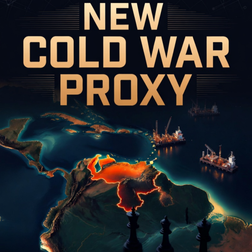
New Cold War Proxy: Oil, Superpowers & Guyana’s Silent War
AI
In this thoughtful episode, we explore one of the most fascinating quiet geopolitical dramas of our time: the Guyana-Venezuela border dispute over the oil-rich Essequibo region. What began as a 19th-century colonial disagreement has been transformed by the discovery of over 11 billion barrels of oil into a modern proxy story involving the United States, China, Russia, and energy security. We dive into the human stories, historical roots, economic miracles, and long-term risks — all told in a calm, storytelling style that reveals why this matters far beyond South America. From sudden wealth and “Dutch Disease” fears to gray-zone military moves and great-power balancing acts, this is a masterclass in how resources shape global power.

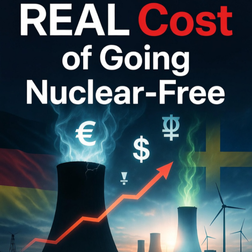
The Hidden Economic Price of Shutting Down Nuclear Power
AI
What really happens when a country decides to phase out traditional nuclear power? In this thoughtful episode, we explore the hidden economic risks — rising electricity bills, increased pollution, lost energy security, and massive grid costs — using real-world stories from Germany’s Energiewende, France’s nuclear success, and Sweden’s surprising policy U-turn. We go beyond simple slogans to examine full system costs, impacts on jobs and industry, and practical lessons for fast-growing economies in Asia and beyond. Whether you care about climate, energy prices, or national competitiveness, this balanced, evidence-based discussion will change how you see the future of clean power.

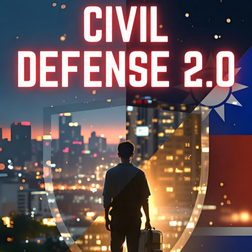
Civil Defense 2.0: When Civilians Must Be Ready to Fight – The True Cost to Society
AI
What happens when ordinary citizens are asked to become part of the defense? In this thoughtful episode, we explore Taiwan’s Civil Defense 2.0 — longer military service, household handbooks, weekend drills, and a whole-of-society approach — and compare it with Israel’s long-proven “nation in arms” model. We go beyond strategy to examine the real human and economic costs: delayed careers, family strain, psychological weight, and billions redirected from schools and hospitals. Yet we also uncover the surprising upsides — stronger communities, transferable skills, and the quiet confidence that can deter conflict. A balanced, story-driven look at the trade-offs small nations face in an uncertain world. Perfect for anyone interested in geopolitics, resilience, and the price of peace.

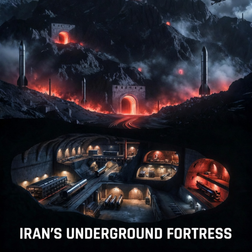
Missile Cities Beneath the Mountains: How Iran Built an Underground Fortress Against Superpowers
AI
What if a country could survive devastating airstrikes and keep fighting for months — even years? Deep beneath Iran’s mountains lies a hidden network of vast “Missile Cities” — self-contained underground fortresses where missiles and drones are built, stored, and launched. In this episode, we explore how Iran turned harsh geography, painful wartime lessons, and relentless sanctions into one of the most sophisticated asymmetric defense systems in the world. From automated rail systems and blast-proof chambers to “precise mass” attacks and a powerful network of proxies, discover how this underground strategy is reshaping global military thinking. A thoughtful, balanced look at ingenuity, survivability, and the changing nature of power in the 21st century.

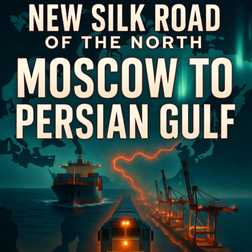
The New Silk Road of the North: Russia’s Rail Link to the Persian Gulf
AI
What if a train could carry Russian grain from the snows of Moscow across the Caspian Sea and straight into Indian markets in just weeks instead of months? In this episode we explore the International North-South Transport Corridor (INSTC) — the ambitious rail-and-sea route that is quietly connecting Russia to Iran’s Persian Gulf ports. Discover how the final missing rail link along the Caspian coast could reshape Eurasian trade, cut transit times by up to 50%, slash costs by 30%, and create a more resilient global supply chain away from crowded chokepoints like the Suez Canal. From real cargo stories to geopolitical shifts and environmental benefits, this is the story of a modern Silk Road being built in our lifetime.

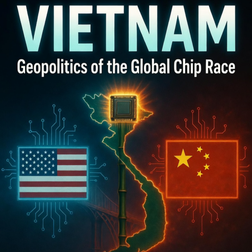
Vietnam as the Semiconductor Bridge: The Geopolitics of Global Supply Chain Realignment
AI
In a world where semiconductors have become the new oil, Vietnam has quietly positioned itself as the crucial bridge between rival superpowers. This episode explores how Vietnam is transforming from a simple assembly hub into a strategic semiconductor player — using “bamboo diplomacy” to balance deep partnerships with the US, Japan, South Korea, and China, while building its own first domestic chip fabs. We dive into the geopolitics of supply chain realignment, the opportunities, risks, and powerful lessons for middle powers everywhere. Calm, thoughtful, and packed with real-world insight.

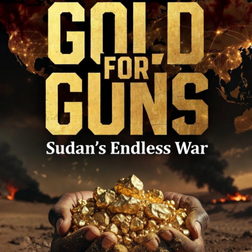
Gold for Guns: The Secret Financial Machine Keeping Sudan’s War Alive

AI
In this eye-opening episode, we uncover the hidden “Gold for Guns” economy that has turned Sudan’s civil war into a self-sustaining conflict. From artisanal miners in Darfur digging by hand, through desert smuggling routes, all the way to refineries in Dubai, we follow the trail of gold that buys weapons, pays fighters, and keeps both the Sudanese army and the Rapid Support Forces fighting. We explore the human cost, the environmental scars, the role of regional and global players, and why traditional peace efforts keep failing. A thoughtful, story-driven look at the modern resource curse and what it means for the rest of the world.
6 of 9