Working Class Autistic

Working Class Autistic

by Kevin Joseph
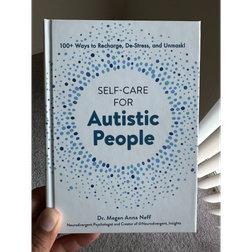
Five Work-Related Tips From Self-Care For Autistic People by Dr. Megan Anna Neff
I recently read the book Self-Care For Autistic People by Dr. Megan Anna Neff and thought it was a great read with a lot of good advice for autistic adults. I wanted to share a few tips from the book that really resonated with me from a work-related perspective. I highly recommend reading the book yourself! Follow-up Questions: What was your favorite tip from this episode? Links: Self-Care For Autistic People book link Reach out to me through Instagram, LinkedIn, or email me at kevin@workingclassautistic.com.
Workplace Success, Unmasking, and Late Autism Diagnosis with Kory Andreas
"I think also it's just asking, you know, bringing somebody in your office and saying, 'Hey, how can I get you to do your very best job here and to be the most comfortable you can be in this setting?' Most of us have an answer for that, you know? think that's what's probably missing in a lot of workplaces." Therapist and late-diagnosed autistic adult Kory Andreas joins the show to discuss what autistic adults need to succeed at work. You will learn: Why workplace issues are due to capacity, not motivation What that feeling of ‘grelief’ is after an autism diagnosis How autistic people can build community Plus, learn about Kory’s special interest! Follow-up Questions: Can you ask what your coworkers prefer for communication? Is there a group for your special interest in your area? What brings joy in your life? Guest Bio: Kory Andreas, LCSW-C is a clinical social worker and Autism & Neurodivergent Specialist who brings both professional expertise and personal insight to her work. As a late-diagnosed autistic adult, Kory understands the complexities of neurodivergence—particularly for individuals who have spent years masking or navigating systems not built for their needs. With over two decades of experience in education and clinical practice, Kory supports neurodivergent adults, couples, and families through autism assessments, therapy, and advocacy. She is certified as an AANE® Neurodiverse Couples Therapist and integrates trauma-informed, identity-affirming, and nervous system–aware approaches into her work. Kory is also the founder of Unmasking Retreats, immersive experiences designed to create safe, sensory-aware spaces where autistic adults can rest, connect, and be fully themselves. She is a writer, educator, and speaker on high-masking Autism and its intersection with LGBTQIA+ identities, PDA, trauma, eating disorders, addictions, and sexuality. Links: https://koryandreas.com/ Reach out to me through Instagram, LinkedIn, or email me at kevin@workingclassautistic.com.
How Using Universal Design For Autistic People Helps Everyone
I recently learned about the concept of "universal design" and thought it was a really interesting concept that could be used to improve the work lives of not just autistic people, but everyone. Follow-up Question: As you go about your day, use a neurodiverse lens to think about the processes or objects you use. Can they be improved for someone with sensory needs? Links: Inside The Box by David Epstein Universal Design Project Reach out to me through Instagram, LinkedIn, or email me at kevin@workingclassautistic.com.
How Katie Oswald Built a Community For Autistic Adults, By Autistic Adults
“I got diagnosed [with autism] when I was 38. And so like anything where you go and get a diagnosis, you're like, oh, what are the next steps? And I found out that really there aren't any for when you're diagnosed as an adult. I was looking for information. I was looking for people that I could talk to about their experience who I could relate to. And I just wasn't able to find anything especially in my age range. I'm like, well, maybe I'll create something where there is this space where we can get together and talk to each other and learn from each other's experience and have that sense of belonging.” Katie Oswald is the founder of Full Spectrum Agency, a community for autistic adults. I first met Katie at the Navigating Autism Today conference put on by the Autism Alliance of Michigan. When I learned about all the work she has done to create a community for autistic people, I knew she would be a perfect guest on the podcast and we had a great discussion about the importance of spaces for autistic adults that are created by autistic adults. You will learn: What the “services cliff” is and how it affects autistic adults How Katie is helping autistic voices be heard in government How you can get started with autism advocacy in your own area Plus, learn about Katie’s special interest! Follow-up Questions: How has autism reframed your past struggles? Have you been affected by the services cliff? Is there a meetup group for autistic adults in your city? Guest Bio: Katie Oswald is an Autistic self-advocate and nonprofit founder who works at the intersection of education, disability justice, and real-world systems that weren’t built with Autistic people in mind. She’s the founder of Full Spectrum Agency for Autistic Adults, where she focuses on helping people move from trying to “fix” Autistic people to actually supporting them in ways that work. Katie trains educators and professionals on neurodiversity-affirming practices, with a focus on things like communication differences, sensory needs, and what support really looks like in everyday environments. Her work is grounded in lived experience and centered on a simple idea: Autistic people don’t need to change who they are to belong. Links: Full Spectrum Agency for Autistic Adults https://www.meetup.com/full-spectrum-agency-autistic-adults/ Autistic Self Advocacy Network Thinking Person’s Guide to Autism Kind Theory Questions? Comments? Feedback? Email me at kevin@workingclassautistic.com
Ten Tips From Ten Interviews
In honor of releasing my tenth interview episode on the podcast, I decided to collect a quote from each interview and compile them into one episode. This is a great episode to start with if you’re new to the podcast or need a quick hit of inspiration! You will learn: How to approach autism like a detective How to tell if an employer supports neurodiversity How to check in during conversations And much more! Follow-up Question: Which tip was your favorite? Let me know through one of my social media accounts below! Social Media Links: Instagram LinkedIn Reddit Questions? Comments? Feedback? Email me at kevin@workingclassautistic.com
Finding Resources for Autistic People with Erik Gallery
“It really comes down to just working with individuals one-on-one, understanding where they're at, and trying to lead them to the options that exist here in Michigan to support what they need.” -Erik Gallery My guest this week is Erik Gallery, the Director of Navigation for the Autism Alliance of Michigan. I met Erik at the Alliance’s Navigating Autism Today conference and I jumped at the chance to talk to him about the alliance and the tools it could offer to autistic adults. You will learn: How the MiNavigator program can identify resources for autistic people How autism evaluation centers can help adults The importance of shared spaces for autistic people Plus, learn about Erik’s special interest! Follow-up Questions: Where can you find resources for autistic people? Can you share those resources with someone who needs them? What’s one thing you can do to create belonging? Guest Bio: Erik Gallery is the Director of Navigation for the Autism Alliance of Michigan. He leads an interdisciplinary team of professionals as they serve those touched by autism across the state, addressing needs through the lifespan. Erik’s background in disability services ranges more than a decade, from job coaching and case management, to clinical services and executive administration. Links: Autism Alliance of Michigan Questions? Comments? Feedback? Email me at kevin@workingclassautistic.com
Make Your Work More Predictable to Avoid Meltdowns
Autistic brains spend more effort on taking in and processing environmental details. As a result, when things happen that go against our predictions that can result in meltdowns. In this episode I talk about ways I make my life and schedule more predictable. Follow-up question: Can you do one thing to make your work schedule a little more predictable? Questions? Comments? Feedback? Email me at kevin@workingclassautistic.com
How to Handle Executive Function Skills with Katey Treloar
“They weren't lazy. They were just struggling with task initiation. They weren't crazy. They were just struggling with organization and planning. Name it to tame it. So it's not that I'm lazy and can't get to meetings on time and prepared. I just don't have the systems and strategies built to make me successful in doing those things.” Katey Treloar is an executive function coach that helps neurodiverse individuals develop systems and strategies to overcome obstacles both at work and home. In our conversation we talk about different types of executive functioning skills and how to build systems to help you with the ones you struggle with. You will learn: Different types of executive functioning skills Why you have to name it to tame it The strengths of neurodiverse people Plus, learn about Katey’s special interest! Follow-up Questions: What’s an executive functioning skill that you struggle with? What’s a system you can create to help with that skill? Can you ask for or provide an agenda for your next meeting? Guest Bio: Katey Treloar is the founder of Executive Function Coaching, LLC. She specializes in supporting neurodiverse individuals who seek to better understand their disabilities and develop strategies to enhance their personal and professional success. Through personalized one-on-one coaching and workplace training, Katey assists clients in identifying and addressing executive function challenges. By collaboratively developing effective systems and strategies, she helps individuals overcome obstacles both at work and at home. Katey is dedicated to serving adults and improving the lives of those living with these often-invisible disabilities. Links: efcsessions.com Katey’s LinkedIn Questions? Comments? Feedback? Email me at kevin@workingclassautistic.com
What it Means to Accept Autism
April is Autism Acceptance Month, formerly known as Autism Awareness Month. I tend to be pretty skeptical of events like this, but in this episode I talk about what it means to me to accept autism and how you can approach awareness as an autistic person. Follow up question: What does accepting autism mean to you? Questions? Comments? Feedback? Email me at kevin@workingclassautistic.com
How Cognitive Behavioral Therapy Can Work For Autistic People with Dr. Jennifer Cork
"If you do CBT that was created for middle-class white people in the United States and try to use it in Japan or India it is not going to work as well. If you're trying to apply this modality to autistic people without consideration of that intersectionality of autism and mental health, then it isn't going to work as well. What research has shown is that if you have CBT that is adequately accommodating and taking into account the autism part, then it does work. And so that's where the problem lies." My guest this week is Dr. Jennifer Cork, a doctor of social work specializing in the treatment of neurodivergent individuals with co-occurring mental health diagnoses. I was excited to have Jennifer on because of her writing on cognitive behavior therapy for autistic people. You will learn: How to reframe a fight-or-flight response The state of research on therapy for autistic people Why informed consent in therapy is so important Plus, learn about Jennifer’s special interest! Follow-up Questions: Do you feel certain emotions are good or bad? Can you make your processes more accommodating? Are there certain things you don’t want to do that you can skip? Guest Bio: Dr. Jennifer Cork is a doctor of social work (DSW) and licensed clinical social worker (LCSW), specializing in the treatment of neurodivergent individuals with co-occurring mental health diagnoses. Jennifer is a late-diagnosed autistic adult and has 20 years’ experience working with individuals with neurodevelopmental disabilities. She has worked in the education, disability, and mental health settings. She has also written a therapy book called, What's Your Anxiety Level? Cognitive Behavioral Therapy for Neurodivergent Children and Teens with Co-Occurring Anxiety Disorders, published in October of 2025. She has a certificate in disability studies from Eastern Washington University, is a certified autism specialist (CAS), and ADHD-certified clinical service provider (ADHD-CCSP). Increasing mental health awareness and access to mental healthcare for the neurodivergent community is one of her passions. Besides education and advocacy work, Jennifer enjoys trips to the coast, hikes with her family, cooking, baking, and is an avid reader. She is also the mom, spouse, and sister of some awesome neurodivergent humans! Links: Dr. Jennifer Cork’s website https://www.psychologytoday.com/us/blog/neurodivergent-knowledge/202512/does-cognitive-behavioral-therapy-work-for-autistic-clients Questions? Comments? Feedback? Email me at kevin@workingclassautistic.com
1 of 3