
Episode notes
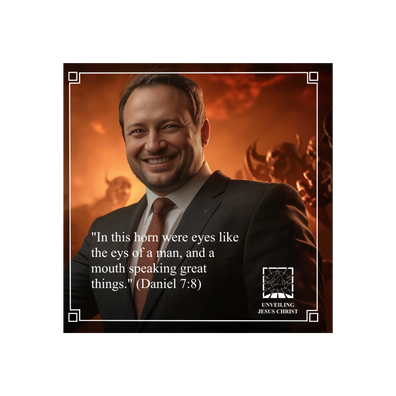
This podcast explains the symbolism of the one little horn that emerges from the midst of the ten horns on the head of the fourth dreadful beast in Daniel 7:8. The ten horns represent Satan's power in the modern nations of the world and the one little horn represents the re-emergence of Satan's power in the modern nations after the end of the Holy Roman Empire in 1806. The emergence of this little horn coincides in time with the restoration of the Gospel of Jesus Christ in 1830. The little horn of Satan's latter-day power and dominion grows in power as the gospel grows and spreads in th world as the small stone that was cut from the mountain without hands from the dream of Nebuchadnezzar in Daniel 2. The little horn wars against the saints as recorded in Daniel 7:21, and he is personified as a man with eyes like a man and a mouth that speaks blasphemies against God. The personification of the little horn corresponds to the Second Beast described by John the Revelator in Revelation 13, which he also describes as the False Prophet in Revelation 16. The little horn, the Second Beast, and the False Prophet represent the Antichrist of the last days. The disembodied spirit of Judas Iscariot--the ultimate apostate--stands as the spiritual head of the antichristian movement in the last days.