unfiltereDDose

unfiltereDDose

by HB

How to Master Your Personal Algorithm (Before It Masters You)

You’re not imagining it—your social media feeds have been hijacked by invisible forces that seem to know what you want before you do. That endless stream of content isn’t random but carefully engineered by algorithms designed to maximize your attention and engagement, often at the cost of your own autonomy and well-being. Key Takeaways Algorithm auditing reveals what tech platforms actually know about you and how they’re using that data A strategic data diet can reset recommendation engines that have gone off track You can actively train algorithms to serve your goals rather than corporate interests Creating algorithm-free zones in your digital life preserves independent thinking Consistent digital intentionality puts you back in control of your online experience Read More: https://unfiltereddose.com/how-to-master-your-personal-algorithm-before-it-masters-you/

Your Life, Curated by AI: The Good, The Bad, & The Weird

The digital world is quietly building a version of you that might know you better than you know yourself. Over 35% of what people watch on Netflix and 75% of content consumed on TikTok comes from algorithmic recommendations, not direct user searches. This digital doppelgänger exists across platforms, learning from your every click, pause, and scroll to predict what you’ll want next. Key Takeaways The average person’s digital behavior generates over 3,000 data points daily, creating your “algorithmic self” Personalization algorithms follow a four-stage process: data collection, pattern recognition, prediction modeling, and content delivery While AI curation offers convenience and discovery, it also creates filter bubbles that limit exposure to diverse perspectives Only 28% of adults report feeling confident in managing their digital footprint Taking control requires developing “algorithmic literacy” and intentional consumption practices Read More: https://unfiltereddose.com/your-life-curated-by-ai-the-good-the-bad-the-weird/
How to Host a Halloween Party That’s Actually Fun

I’ve thrown my share of Halloween parties, and here’s what I’ve learned: The most memorable ones have nothing to do with Pinterest-perfect decorations or elaborate themes. The secret to a great adult Halloween party isn’t spending hundreds on fake cobwebs and animatronic zombies—it’s creating an atmosphere where people actually want to hang out and have fun. Key Takeaways Atmosphere trumps aesthetics – 79% of guests remember the overall vibe more than specific decorations Music creates the mood – A well-crafted playlist with 70% crowd-pleasers and 30% themed tracks sets the perfect tone One signature cocktail is all you need, saving you from playing bartender all night Strategic lighting creates more impact than elaborate decorations Interactive food stations encourage mingling and conversation Read More: https://unfiltereddose.com/how-to-host-a-halloween-party-thats-actually-fun/ #halloween party ideas, #hosting tips, #party planning, #spooky season, #entertaining guide

5 Signs of Student Burnout (and How to Fix It)

Student burnout has reached alarming levels with 40-55% of college students reporting moderate to severe symptoms during their academic journey. This state of chronic stress doesn’t just impact grades—it infiltrates every aspect of student life, creating a dangerous cycle of exhaustion, cynicism, and diminished performance that can derail educational goals and damage long-term mental health. Key Takeaways Persistent fatigue that doesn’t improve with sleep is often the first warning sign of academic burnout Developing cynicism toward studies indicates burnout has progressed to a psychological defense mechanism A significant drop in academic performance despite increased effort signals cognitive impairment from prolonged stress Social withdrawal removes crucial support systems when students need them most Implementing structured recovery strategies can reverse burnout symptoms in as little as 3-4 weeks Read more: https://fullofedu.com/5-signs-of-student-burnout-and-how-to-fix-it/

Did You Actually See It? Or Just Instagram It?

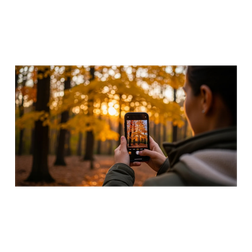
I’ve spent the last decade of my life meticulously documenting everything through the perfect filter, only to realize I’ve barely experienced any of it. My memories feel secondhand, like I’m remembering the process of taking photos rather than the actual moments they attempted to capture. Key Takeaways The average American spends over 5 hours daily on mobile devices, often prioritizing documentation over experience Our brains process experiences differently when we’re focused on capturing rather than absorbing moments The “pics or it didn’t happen” mentality transforms private memories into public performance Setting boundaries like phone-free periods can dramatically improve your connection to seasonal experiences The most valuable autumn memories often come from fully immersive sensory experiences that phones can’t capture Read more: https://unfiltereddose.com/did-you-actually-see-it-or-just-instagram-it/

Your Motivation Is Gone. Now What?

Finding yourself with no motivation isn’t a personal failure – it’s a normal human experience that happens to everyone, especially during seasonal transitions. The darker, colder months can trigger a fall slump that affects your energy, mood, and desire to stick with healthy habits. Understanding what’s happening in your body and brain during these periods can help you navigate low-motivation phases with more self-compassion and practical strategies. Key Takeaways Seasonal changes naturally affect your motivation levels due to biological factors like serotonin and melatonin fluctuations The “no excuses” fitness culture promotes shame-based motivation that actually fails 80% of the time Just 10-15 minutes of gentle exercise can improve your mood by increasing endorphin levels Working with your current motivation level instead of fighting against it leads to more sustainable activity patterns Self-compassion during low motivation periods promotes better mental health and long-term consistency. Read more: https://unfiltereddose.com/your-motivation-is-gone-now-what/

Beat the Winter Blues: A Real Guide to SAD

The shorter, darker days of winter aren’t just an inconvenience – for millions of people, they trigger a genuine form of depression known as Seasonal Affective Disorder (SAD). As someone who’s battled the winter blues for years, I’ve learned that understanding the science behind SAD and having practical strategies can make the difference between merely surviving winter and actually thriving during the colder months. Key Takeaways SAD is clinical depression that follows a seasonal pattern, affecting about 5% of US adults for nearly half the year Reduced sunlight exposure disrupts brain chemistry, affecting serotonin levels and melatonin production Light therapy using 10,000 lux boxes for 20-30 minutes each morning is effective for 50-80% of people with SAD Consistent morning routines and strategic exposure to natural light can significantly reduce symptoms A combination of treatment approaches including therapy, medication, and lifestyle adjustments typically works better than any single method Read more: https://unfiltereddose.com/beat-the-winter-blues-a-real-guide-to-sad/

DIY Halloween: 3 Easy Ideas That Don’t Suck

Halloween doesn’t need to be a craft nightmare that leaves you crying into your pumpkin spice latte. Those perfect Pinterest tutorials make DIY Halloween decor look easy, but we all know they’re usually designed by people with art degrees and way too much time on their hands. Key Takeaways Budget-friendly magic – all three ideas cost under $15 each Create a no-sew ghost costume in less than 15 minutes with just a sheet Transform toilet paper rolls into spooky glowing eyes for instant haunted house vibes Turn ordinary hot dogs into gruesome severed fingers that guests will actually eat Embrace the imperfect charm of easy DIY projects instead of stressing over perfection Read more: https://unfiltereddose.com/diy-halloween-3-easy-ideas-that-dont-suck/

https://fullofedu.com/beyond-ignorance-bridging-the-gap-between-not-knowing-and-being-an-educated-fool/

The journey from simple unknowing to deliberate ignorance represents one of humanity’s most fascinating intellectual trajectories. What began as a neutral description of someone lacking information has transformed into a charged accusation that cuts to the core of one’s character and moral standing in today’s digital discourse landscape. Key Takeaways The word “ignorance” has evolved from its neutral Latin origins meaning “to not know” to becoming a serious character indictment in modern discourse There are distinct types of ignorance: passive (simply not knowing), willful (choosing not to know), and privileged (ignoring problems that don’t affect you personally) The Enlightenment period fundamentally changed how society viewed ignorance, transforming it from a neutral starting point to a moral failing Despite unprecedented access to information, many people still practice selective information exposure, with 44% of Americans admitting to avoiding news that contradicts their beliefs The “educated fool” paradox reveals how formal education without intellectual humility can lead to a false sense of knowing everything Read more: https://fullofedu.com/beyond-ignorance-bridging-the-gap-between-not-knowing-and-being-an-educated-fool/

5 AI Tools to Save Teachers Hours Weekly

Modern ai for teachers has revolutionized the way educators manage their workload and engage with students. These innovative tools can dramatically reduce the time spent on repetitive tasks, allowing teachers to focus more on what truly matters: meaningful interactions with students and high-quality instruction. Key Takeaways Automated grading tools can reduce assessment time by up to 75%, particularly for handwritten work AI writing assistants help maintain feedback consistency while saving 3-4 hours weekly GPT models can generate customized lesson plans and differentiated content, saving 5-7 hours weekly AI-powered design platforms create engaging visual materials in a fraction of the time Transcription tools can automatically document lectures and discussions, saving 3-5 hours of note-taking time Read more: https://fullofedu.com/5-ai-tools-to-save-teachers-hours-weekly/
2 of 4