The Collective Tap: Conversations About Water

The Collective Tap: Conversations About Water

by The White River Alliance
Season 6

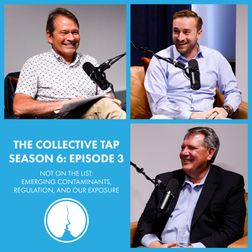
Not on the List: Emerging Contaminants, Regulation, and Our Exposure
PFAS may be the best-known “emerging contaminant,” but it is not the only thing raising questions about the safety of our water. What do scientists know about these contaminants and our exposure to them? And how do water utilities respond when the science is evolving faster than regulations?

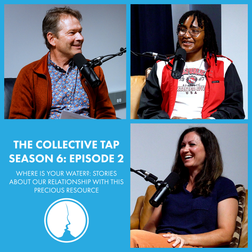
Where Is Your Water?: Stories about Our Relationship with This Precious Resource
Stories and art have always been at the heart of humanity’s relationship with water. Contemporary times are no different, and on this episode, we talk about how our stories emerge, how they’re changing, and how our interaction with water in nature and through art continue to inspire them. Guests • Kay Hawthorne, Environmental Justice Program Coordinator and Director with Mapping Purpose • Christina Hollering, Muralist and visual artist. Associate faculty with Herron School of Art and Design

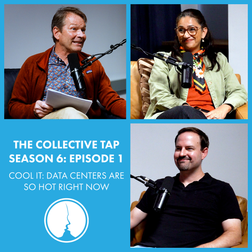
Cool It: Data Centers Are So Hot Right Now

Data centers are known to pose a number of threats across a broad spectrum. This episode explores the concerns we see about contamination and pollution, threats to our water supply, and impacts for wildlife. Guests Ben Inskeep, Program Director with Citizens Action Coalition Maria Iturbide-Chang, Ph.D., M.Sc., CEO & Founder, CONFLUENCE INSIGHTS
Season 5

Water Is Complicated: The Connections Between Supply, Demand, Data and Planning.
If we know anything about water, it’s that everyone uses it. It is literally the basis of life on the planet, but, somewhat less grandly, it is also a key factor in Indiana’s economy, a favorite destination for recreation, a factor in agricultural production, the stuff we drink every day, and so much more. So, what do we really know about it? How much do we have and where? In this episode, we explore what it takes to understand water resources so that they can be managed sustainably and continue to support our economy, recreation, farms, and daily uses.

Forever Is a Long Time: PFAS and Our Future
The class of man-made chemicals commonly called PFAS or PFOA is found in a huge range of products we use every day: from takeout containers to waterproof clothing to computers to medical equipment. Unfortunately, these chemicals never break down, are linked to a range of serious health issues, and are now found in nearly every single body of water on earth, including the rain and clouds. What do we know about PFAS in Indiana, and what is being done to protect Hoosiers?

It’s Not A Dry Heat: Climate Change and Flooding
Climate change is no longer a what-if scenario but an ongoing process with impacts that already demand attention. What are those impacts to our water resources, and how will the changes we are experiencing affect things like infrastructure, development, and the insurance industry? What about the natural environment, wildlife, and agriculture?

Not Deep But Wide: Wetland Regulations and Their Implications
Wetlands are nature’s sponge, or, as Rachele Baker says, it’s multitool. Whether fen, bog, marsh, or swamp, wetlands are a critical piece of natural infrastructure that provide a wide range of services and benefits to human and wildlife communities. Are we treating them appropriately? Do we have adequate protections in place for such an important feature? If you listened to Episode 1 this season, then you already know the answer. Let’s take a closer look at wetlands, regulations, and what we risk with our current approach to their management.

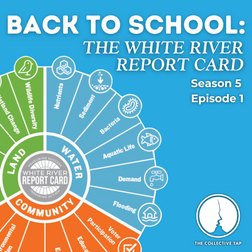
Back to School: The White River Report Card

What is the White River Report Card and what does it measure? What are the issues affecting human health, investment and development, wildlife and the natural environment? The grades might not be great right now, but how can we improve and protect the river and our communities and safeguard our future?
Season 4

The Indigenous Perspective

Native Americans used Indiana’s waterways long before colonization. While they derived many of the same uses, the Indigenous relationship to water bears some fundamental differences from the one exhibited most often today.

Recreation

Being on the water is a special experience and provides a wide range of benefits. Fishing, paddling, bird watching, or walking along the water’s edge–all of these experiences can help forge a deeper relationship with this most essential element and inspire a greater interest in its protection.
1 of 3