The Peptide Effect

The Peptide Effect

by Peptides Made Simple
Season 11

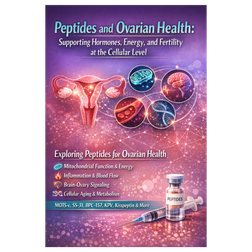
Audience asked: Peptides and Ovarian Health: Supporting Hormones, Energy, and Fertility at the Cellular Level
AI
In this episode, we explore ovarian health through a deeper, cellular lens and break down how peptides may support the systems that drive hormone balance, egg quality, and overall reproductive function. Instead of focusing on quick fixes, this conversation connects the dots between mitochondrial health, inflammation, blood flow, and the brain-ovary communication loop. You’ll learn how peptides like MOTS-c, SS-31, BPC-157, KPV, and kisspeptin are being discussed in relation to energy production, tissue support, and hormonal signaling, along with how metabolic health and cellular aging play a role in ovarian function. This is a clear, easy-to-follow explanation designed to help you understand what’s happening beneath the surface so you can make more informed decisions about your health journey.

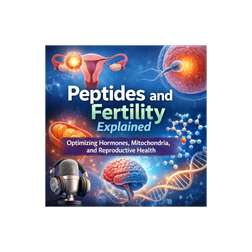
Audience asked: Peptides and Fertility Explained: Optimizing Hormones, Mitochondria, and Reproductive Health
AI
In this episode, we break down how peptides may support fertility by working with your body’s natural signaling systems instead of forcing outcomes. You’ll learn how fertility really works at a deeper level, from brain-to-hormone communication to mitochondrial health, inflammation, and cellular energy. We walk through key peptides people explore for both female and male fertility, including those that influence hormone signaling, improve egg and sperm quality, and support overall reproductive function. This episode also covers realistic expectations, timing, and why foundational factors like hydration, sleep, and stress matter just as much as anything else. If you want a clear, science-based understanding of how peptides fit into fertility support, this is a must-listen.

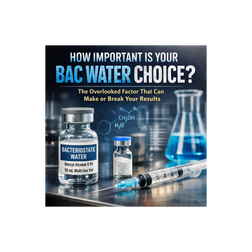
How Important Is Your Bac Water Choice? The Overlooked Factor That Can Make or Break Your Results
In this episode, we break down one of the most overlooked parts of any peptide or reconstitution process—the bacteriostatic water you choose. Not all bac water is created equal, and small differences in quality, sterility, preservatives, and handling can have a big impact on stability, consistency, and overall outcomes. We walk through what bacteriostatic water actually is, why benzyl alcohol matters, how manufacturing standards affect reliability, and the risks of cutting corners on something most people ignore. If you want tighter control, better consistency, and fewer unknowns in your process, this is a conversation you don’t want to skip.

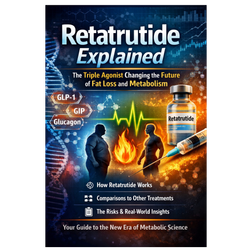
Retatrutide Explained (Revised): The Triple Agonist Changing the Future of Fat Loss and Metabolism
What if fat loss wasn’t just about eating less, but also about burning more at the same time? In this episode, we break down retatrutide, one of the most talked about compounds right now, and why it’s getting so much attention. You’ll learn how it works as a triple agonist targeting GLP-1, GIP, and glucagon receptors, and what that actually means for appetite, energy expenditure, and overall metabolic function. We also dive into how it compares to other well-known options, what the early research is showing, and the real-world considerations people aren’t talking about enough. If you want a clear, no-hype explanation of what makes retatrutide different and why it could represent a major shift in how we approach metabolism, this episode is for you.

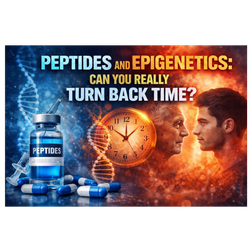
Peptides and Epigenetics: Can You Really Turn Back Time?
Can peptides actually influence your genes and reverse aging, or is that just hype? In this episode, we break down the real connection between peptides and epigenetics in a simple, honest way. You’ll learn how gene expression actually works, how peptides act as signaling molecules, and why the idea of “turning back time” isn’t as straightforward as it sounds. This is a grounded look at what’s really happening inside the body, what peptides can and can’t do, and how to think about longevity without getting caught up in unrealistic expectations.

Are Peptides Being Ruined by Social Media? The Truth Behind the Hype
Peptides are everywhere right now, but is social media helping or hurting the space? In this episode, we break down how fast-moving trends, oversimplified claims, and viral content are shaping the way people view and use peptides. From unrealistic expectations to misinformation and stacking without understanding, we talk about what’s actually going on behind the scenes. This is a real conversation about hype versus reality, how to filter what you’re seeing online, and how to approach peptides in a smarter, more informed way.

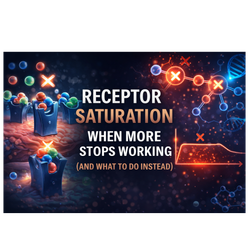
Receptor Saturation: When More Stops Working (And What to Do Instead)

In this episode, we break down receptor saturation in a way that actually makes sense and why more isn’t always better when it comes to signaling compounds. You’ll learn how receptors work, what happens when they become saturated, and why increasing the amount can lead to diminishing returns or even reduced effectiveness over time. We also cover downregulation, competition between pathways, and how to recognize when you’ve hit a plateau. If you’ve ever wondered why something worked at first but stopped, or why taking more didn’t improve results, this episode connects the dots and gives you a smarter way to think about it.

Why Copper Peptides Are Everywhere Right Now (And What That Actually Means)

In this episode, we break down why copper peptides have suddenly taken over skincare and research conversations. From the science behind how they signal repair and regeneration, to why GHK-Cu keeps showing up in high-end formulations, we simplify what’s actually happening and why it matters. We also cover what most people get wrong, including dosing, formulation, and why more isn’t always better. If you’ve been seeing copper peptides everywhere and want to understand the real reason behind the hype, this episode connects the dots in a way that actually makes sense.

How to Read a COA Like a Pro and Spot Fake Ones Fast
In this episode, we break down exactly how to read a Certificate of Analysis step by step so you can understand what you’re actually looking at, not just the purity number. You’ll learn how to verify labs, match batch numbers, interpret HPLC results, and read chromatograms in a way that actually makes sense. We also go into the biggest red flags that can help you spot fake or reused COAs fast, including formatting issues, inconsistent data, and how to verify reports directly with labs. If you’re buying peptides or any research compounds, this is a must-know skill that can save you money and help you avoid low-quality or misrepresented products.

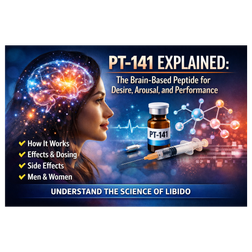
PT-141 Explained and Revisted: The Brain-Based Peptide for Desire, Arousal, and Performance

In this episode, we break down PT-141, also known as Bremelanotide, and why it’s completely different from traditional libido and performance enhancers. Instead of working through blood flow like typical ED medications, PT-141 targets the brain, increasing desire and arousal at the neurological level. We cover how it works, what it feels like, timing, dosing basics, side effects, and why it can be effective for both men and women. Whether you’re curious about peptides or looking to better understand the science behind libido, this episode gives you a clear, real-world explanation of what to expect and how it fits into a broader health and wellness approach.
2 of 18