The History of Religious Tolerance

The History of Religious Tolerance

by Joseph TenHulzen
Season 1

How to Live Among Non-Believers: The Arrival of the Hebrew Bible
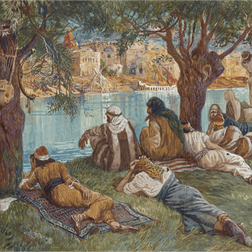
Having returned to Yehud, how were the Judeans and other worshippers of God to live as part of a pagan empire? The very debates that they were having in the fifth-century can be found in the Hebrew Bible.

The Babylonian Captivity and the Emergence of Monotheism
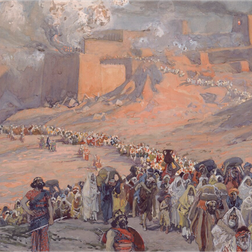
The Judeans maintain, and alter, the cult of Yahweh during their captivity in Babylon. How did exile, the writing of the scriptures, and liberation by the Persians influence religious tolerance?

The Yahweh-Alone Movement and the Fall of Israel and Judah
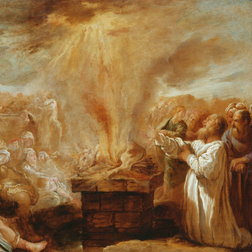
The Yahweh-alone movement wins notable victories thanks to sympathetic kings who try to stamp out idolatry. Religious reforms, however, are not enough to prevent foreign empires from encroaching upon the two kingdoms. Why did Israel and Judah vacillate between the exclusive worship of Yahweh and a more tolerant worship of other Canaanite gods? How did the international situation influence religious debates within the kingdoms?

The Warnings of Yahweh's Prophets

Protests against the worship of other gods emerged in Ninth-Century Israel and Judah. How did the Yahweh-alone movement seek to implement its religious vision?

The Cult of Yahweh and the Kingdom of Israel
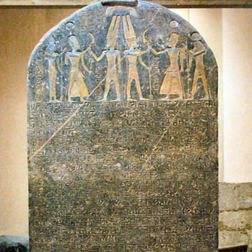
By the year 1000 BCE, Canaan had transformed into the Kingdom of Israel. The Twelve Tribes owed allegiance to a king, as well as to the patron god of the new kingdom: Yahweh. How did these political developments lead to the elevation of this god? What happened to the other Canaanite gods that had been worshiped? Could they still be worshipped?

Early Canaanite Religion

Judaism, Christianity, and Islam can trace their origin to the religion that developed in the Canaanite highlands at the dawn of the Iron Age (c. 1200 BCE). What did these people believe in? How did they worship? Which god or gods were venerated?