Stuck? Time to Improv! The Startup Launchpad

Stuck? Time to Improv! The Startup Launchpad

by Mary Scott
Season 2026

Startup Marketing Tips from Alesha Henley, A Dose of Insight

Marketing Tips for Startups with Alesha Henley from A Dose of Insight. Startup Marketing Strategy Discussion Mary and Alesha discussed key tips for startups, focusing on the importance of clearly defining the target audience rather than marketing to everyone. Alesha emphasized that social media should be used for personal engagement rather than just transactional purposes, as building trust with potential customers is essential for business growth. Effective Marketing Audience Strategies Alesha emphasized the importance of understanding the target audience's demographics and their preferred social media platforms for effective marketing. She highlighted that authenticity and trust-building are key to successful communication, and marketers should focus on addressing customer pain points and benefits rather than just promoting themselves. Social Media Content Strategy Alesha recommended including pictures on social media as people are visual and have short attention spans, though she noted that the type of content depends on the audience and message. She explained that younger audiences prefer quick videos while more mature audiences are more willing to read longer content. Alesha emphasized the importance of including a call to action to direct followers to a website, stating that having an online presence is essential for appearing legitimate as a business. Low-Cost Business Startup Strategies Alesha advised Mary on low-cost strategies for new businesses to get started, including using free platforms like Zoom and social media to create initial content. She emphasized that consistency beats going viral and recommended affordable website creation tools with templates for startups. When asked about hiring developers or graphic artists, Alesha suggested they are beneficial but acknowledged budget constraints for new businesses, suggesting alternative affordable software options instead. Alesha's links: LinkedIn: https://www.linkedin.com/company/69446054/admin/dashboard/ Facebook: https://www.facebook.com/DoseInsight Instagram: https://www.instagram.com/adoseofinsightmarketing/ Book a free consultation: 30 Minute Consultation: https://api.leadconnectorhq.com/widget/bookings/my-30-minute-consultation Book a 15 minute synergy call with Mary Scott at https://calendly.com/businessriff/15min

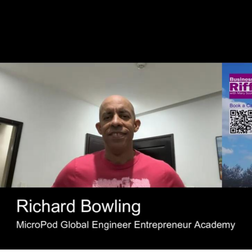
Entrepreneurship for Engineers with Richard Bowling

Entrepreneurship for Engineers with Richard Bowling, MicroPod Global Engineer Entrepreneur Academy Engineer Entrepreneur Transition Challenges Richard identified the primary challenge for engineers transitioning to entrepreneurship as overthinking the process, particularly struggling with business development, marketing, and validation rather than technical aspects. He noted that engineers must make a significant professional mindset shift from seeking perfect solutions to launching products despite uncertainty. Richard explained that his program, Micropod Global Engineer Entrepreneur Academy, uses micro-hacks to help engineers transition, including concepts like "action precedes clarity" and the "70% rule." Product Development and Customer Engagement Richard discussed product development strategies, emphasizing the importance of making decisions when a product is 70% complete rather than waiting for 100% completion. When Mary asked about hacks to help engineers overcome social anxiety when talking to potential customers, Richard shared an example of an engineer who was psychologically resistant to customer interactions and mentioned that they provide personal development coaching to address these fears and build confidence in business development activities. Entrepreneurship and Product Validation Insights Richard advised engineers to join communities or beta test with other engineers to overcome isolation during entrepreneurship journeys. He emphasized the importance of validating ideas through lean startup principles before building functional products, even using simple mock-ups to confirm market needs. The discussion concluded with Mary thanking Richard for his insights and promoting her startup consulting services.

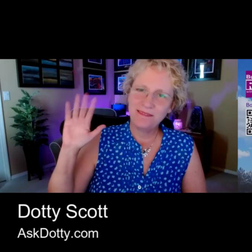
AEO tips and tricks with Dotty Scott from AskDotty.com

AEO tips and tricks with Dotty Scott from AskDotty.com AEO Definition and Optimization Dotty Scott explained that AEO (Answer Engine Optimization) refers to optimization within artificial intelligence platforms like Claude, Perplexity, ChatGPT, and Gemini, clarifying that all related acronyms represent the same concept. Answer Engine Optimization Strategies Mary and Dotty Scott discussed answer engine optimization (AEO), explaining that people are increasingly asking questions directly rather than using traditional keyword searches. They noted that users are now starting their searches within AI chat platforms like ChatGPT and Claude rather than traditional search engines. Dotty Scott recommended that startups include FAQ sections on their websites to address common questions and improve both SEO and AEO, suggesting this is an easy way to provide direct answers to potential customers' inquiries. Website Optimization and SEO Strategies Dotty Scott discussed website optimization strategies, recommending tools like Answer the Public and Google's "people also ask" feature to identify common questions that should be addressed on websites. Dotty Scott emphasized the growing importance of SEO, particularly with AI, and highlighted that many business owners avoid implementing online reviews despite their significance. Online Reviews and AI Impact Dotty Scott explained that online reviews are essential for building confidence with AI systems and search engines, as quantity matters more than quality in how these systems evaluate businesses. She noted that AI systems don't read reviews but focus on comparing the number of reviews a business has against competitors in the same industry. Dotty Scott also warned against buying Google reviews, as this practice can lead to negative consequences, and mentioned that Google uses AI to detect and remove bot reviews, though the exact mitigation methods remain unclear. Digital Footprint Measurement Tool Dotty Scott presented a digital footprint measurement tool that scores businesses from 0 to 100 based on their online presence, including website, Google business profile, reviews, and social media mentions. She explained that a larger digital footprint helps build confidence with AI engines beyond just what's on the business website. Mary thanked Dotty Scott for the presentation and mentioned that the tool's link would be shared in the comments.

Social Media Mistakes to Avoid with Heather Havenwood, Haven Media

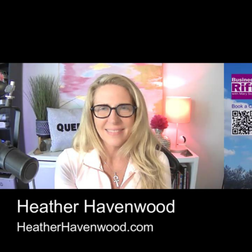
Social Media Mistakes to Avoid with Heather Havenwood, Haven Media Social Media Mistakes by Startups Heather identified two major social media mistakes startups make: not having a clear spokesperson, especially for larger companies and tech firms, and failing to align their messaging with what resonates with their audience rather than just explaining their technology. Tech Sales Messaging Best Practices Heather discussed common mistakes tech companies make in their sales messaging, emphasizing the importance of understanding their target audience and articulating their value proposition effectively. Mary agreed, highlighting the need to focus on how clients hear the messaging and what's in it for them rather than focusing on the company's "secret sauce." Heather shared an anecdote about a street protestor in St. Petersburg to illustrate how aggressive messaging can be ineffective, comparing it to social media posts that "scream" at audiences without resonating with them. Social Media Engagement Strategies Heather and Mary discussed the importance of clear messaging and call-to-action strategies for social media engagement. They agreed that directing interested users to a free community is an effective next step, as it allows for deeper relationship building and helps identify clients' primary concerns. Community Problem Identification Strategy Heather and Mary discussed the importance of understanding multiple problems that potential community members might be facing, rather than focusing solely on one issue. They emphasized the need to identify both primary and secondary problems to effectively engage with customers and improve sales conversations. The discussion highlighted the value of tapping into various pain points to build stronger relationships and provide more comprehensive solutions. Heather: HeatherHavenwood.com Book a 15 minute synergy call with Mary at https://calendly.com/businessriff/15min


Family Business Challenges with Lowell Mora from Impact CFO

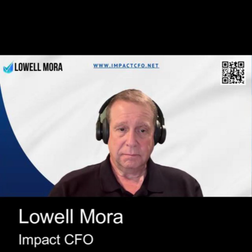
https://www.impactcfo.net Family Business Challenges with Lowell Mora from Impact CFO Family Business Challenges Discussion Lowell discussed the unique challenges of family businesses, highlighting that the family aspect creates complications regardless of the number of family members involved. He shared his personal experience of being advised against working in family businesses but eventually being drawn back to them. Lowell noted that in family-owned businesses, the enterprise often serves as both the business owner's and the family's livelihood, with some challenges being generational in nature. Family Business Identity and Ownership Lowell and Mary discussed the challenges of managing identity and ownership in family businesses, particularly the complexity of distinguishing between business and personal aspects. Lowell emphasized the importance of clear job descriptions and legally defining ownership structures, noting that just having a family name doesn't automatically entitle someone to a job or ownership in the business. He also highlighted issues with overcompensating family members based on name recognition rather than actual contribution, and mentioned that many next-generation family members either self-select out of business roles or lack the necessary qualifications for the positions they would fill. Family Business Succession Planning Mary discussed the importance of training family members for business succession, emphasizing the need to start when teenagers and verify relevant skill sets. She highlighted that salaries for family members should be commensurate with non-family employees in similar positions to avoid long-term detrimental effects on both the individual and the business. Lowell agreed, noting the difficulty in maintaining fair compensation and the potential impact on business valuation and corporate culture. Family Business Leadership Strategies Mary discussed how successful family-owned businesses often have relatives as CEOs who possess the relevant skills and align with the company's philosophy, even if not in a direct line of succession. Lowell noted that company philosophies and traditions can evolve over time and emphasized the importance of adopting simple automation and processes rather than focusing on complex technologies like AI. Business Problem Recognition Strategies Lowell discussed the importance of recognizing and addressing business problems to maintain competitiveness and avoid issues like bankruptcy. He provided an example of a large client with strong revenue and profitability but using outdated banking practices, such as relying on checks instead of modern payment methods like ACH transfers. Family Business Modernization Challenges Lowell discussed common challenges in family-owned businesses, particularly those with sales between $5-50 million, where owners often resist modernizing practices despite limited management teams and growth opportunities. He explained how business owners tend to rely on outdated methods, such as avoiding marketing after a single unsuccessful trade show 23 years ago, rather than adapting to new approaches. Lowell emphasized the importance of bringing in external expertise to help these businesses overcome their resistance to change and maximize their earnings potential. Book a call with Lowell Mora at https://calendly.com/impactcfo_lowellmora/meeting-with-lowell-mora-impact-cfo?month=2026-07 Book a call with Mary Scott at https://calendly.com/businessriff/15min
Networking Tips with Mary Scott, PitchSTL

Networking Tips with Mary Scott, PitchSTL Startup Networking Strategies Discussion Mary discussed the importance of networking and follow-up for startups seeking customers and investors. She emphasized that in-person networking is more effective than Zoom, and highlighted the value of leaving contact information, particularly through LinkedIn. Mary also shared a strategy for introverts to initiate conversations by asking others about themselves, which helps build connections and gather valuable information about potential networking contacts. Networking Follow-up Strategies Mary explained the three key components for effective follow-up after networking: Information (sharing useful links or resources), Invitation (offering events or workshops), and Introduction (connecting people with potential synergy). She emphasized the importance of including contact details when making introductions and recommended using these follow-up strategies to help startups succeed. Book a synergy call at https://calendly.com/businessriff/15min More Networking Tips at https://businessriff.com/documents/2022/02/neetworking-in-3-2-1.pdf/
Tips for Veteran-owned Startups with Dan Lauer

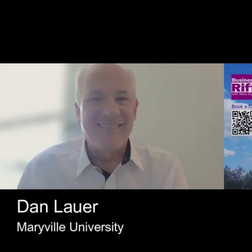
https://businessriff.com Dan Lauer from Maryville University talks about Tips for Veteran Startups Veteran Entrepreneur Funding Challenges Mary discussed her podcast "Stuck? Time to Improv" with Dan Lauer from Maryville University, focusing on challenges faced by veteran entrepreneurs. Dan identified early-stage capital as a key challenge, noting that while there are good education and networking programs available, veterans often struggle to access funding for equipment and business setup. He emphasized the importance of accelerator programs like Techstars and Y Combinator, which provide not just capital but also resources such as intern support, faculty advisors, and mentorship. Veteran Accelerator Program Overview Dan described their veteran accelerator program that selects 6-8 participants annually from 400 applications, providing them with $50,000 in equity-free funding. The program includes information sessions and peer support to help applicants navigate the competitive application process, with veterans assisting other veterans throughout the application. Mary agreed that applying to accelerators helps startups focus on their problem-solution fit and unique value proposition, noting that such programs create economic ripple effects across the region. Maryville Veteran Accelerator Program Dan Lauer discussed Maryville's new Veteran Accelerator program, which aims to support veterans in entrepreneurship through certificate programs, student clubs, and community outreach. He explained that funding will come from companies, foundations, and governments through pass-through philanthropy rather than an equity fund. The program will be led by Beth Sweet, a former army colonel and senior leader at NGA, providing an authentic veteran-to-veteran experience.

Entrepreneur Mindset Tips with Tina Kadish

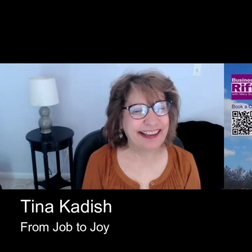
https://businessriff.com Tina Kadish, From Job to Joy, talks about Entrepreneur Mindset Developing Entrepreneurial Mindset for Startups Mary and Tina discussed the importance of developing an entrepreneurial mindset for startups. Tina explained that transitioning from a corporate career to entrepreneurship requires shifting from following others to taking control of one's life and business. She emphasized that an entrepreneurial mindset is crucial for embracing uncertainty and maintaining a growth mindset while building a business. Types of Entrepreneurs Discussion Mary discussed three types of entrepreneurs: those born to be entrepreneurs, reluctant entrepreneurs who start their own business after leaving comfortable situations, and accidental entrepreneurs who begin with a hobby. Tina agreed with Mary's classification and emphasized that reluctant entrepreneurs must embrace the responsibility and uncertainty of running their own business, including designing their own schedule and seeking opportunities without relying on a regular paycheck. Entrepreneurial Mindset and Coaching Tina emphasized the importance of believing in oneself and learning new skills as an entrepreneur, highlighting the need for resourcefulness and connecting with the right people, including coaches. She stressed that entrepreneurs cannot do it alone and recommended hiring a coach to support the journey. Tina also advised reframing sales as "serving" rather than "selling," suggesting this mindset change would make it easier to approach potential clients with solutions to their challenges. Growth Mindset and Networking Strategies Tina discussed the importance of developing a growth mindset and connecting with the right people to support personal and professional growth. She explained that identifying the right people requires trial and error, emphasizing the value of being authentic and open in networking and community engagement. Mary advised listening to intuition and being willing to move on from conversations that don't feel helpful after a short period. Time Management and Business Growth Tina and Mary discussed the importance of managing time effectively by focusing on income-producing activities rather than busy work. Mary shared a tip about attending events you don't want to go to, as they often prove valuable for business growth. Tina emphasized the benefits of working with coaches and finding the right community when starting a business, while Mary concluded by promoting BusinessRiff and inviting listeners to book a call for startup support. FB: www.facebook.com/tina.kadish LI: www.linkedin.com/in/tinakadish Website: www.fromjobtojoy.com YT: https://www.youtube.com/@tinakadish118

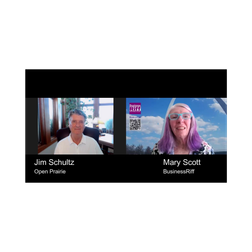
Funding for AgTech Startups with Jim Schultz

https://OpenPrairie.com Jim Schultz from Open Prairie talks about Funding AgTech Startups Agricultural Tech Investment Discussion Mary welcomed attendees to the "Stuck Time to Improv" session and introduced Jim Schultz, an investor, as the guest speaker. The discussion focused on the agricultural tech industry, highlighting its potential for startup businesses and the importance of preparation when approaching investors. Agtech Investment Strategy Requirements Jim discussed his focus areas in agtech, including automation and robotics, data optimization for farmers, and biologic technologies replacing synthetic chemicals. He outlined three key requirements for considering new equipment or technology proposals: understanding the channel strategy for reaching farmers, having field trial data across different crops and conditions, and having expertise on the team through advisors or board members. Agricultural Technology Entry Mistakes Jim discussed common mistakes made by new entrants in the agricultural space, highlighting three key issues: implementing a direct-to-farmer channel strategy, which he noted is difficult and slow to build revenue; and insufficient field trial data to prove technology effectiveness. Jim provided an example of a hypothetical robot weeding technology, suggesting the need for proper testing and validation before market entry. Field Trial Data Distribution Strategy Jim discussed the importance of understanding field trial data, particularly when testing different crops like tomatoes, cabbage, and corn. He suggested that ag retailers and farm co-ops, rather than traditional Cooperative Extension services, are better channels for reaching farmers. Jim provided an example of The Equity co-op in Effingham, Illinois, which has approximately 8,000 farmer members, highlighting the potential reach through such partnerships. Mary confirmed the need for beta testing with farmers. AI Deployment in Agriculture Opportunities Jim discussed potential AI deployment opportunities, particularly in John Deere's FieldView technology which provides farmers with field insights from tractor and combine diagnostics. He noted that while higher-yielding crops might not always taste better, there are opportunities to modify crops for different properties like oil content in soybeans or fiber content in corn. Jim also mentioned current market prices for soybeans and corn, explaining that farmers need prices around $12.50 for soybeans and $5 for corn to be profitable, which is above current trading levels. Agricultural Technology Investment Opportunities Jim discussed investment opportunities in agricultural technology, highlighting the potential for premium opportunities in corn and soy production, as well as organic farming initiatives. He emphasized the importance of a well-prepared marketing deck, including details on channels, field trials, team composition, and financial models for potential ag tech companies seeking investment. Jim noted that out of 500-600 deals reviewed annually, only 2-4 are funded, underscoring the need for strong presentations to get through the selection process. Some useful links: Open Prairie - https://www.openprairie.com/ The Equity - https://www.theequity.com/ Shenandoah Valley Organics - https://www.farmerfocus.com/

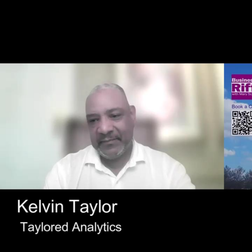
Investor Ready Financial Projections with Kelvin Taylor

https://businessriff.com https://tayloredanalytics.com Financial Projections That Are Investor Ready with Kelvin Taylor, Taylored Analytics Financial Projections for Entrepreneurs Mary and Kelvin discussed the components of financial projections for entrepreneurs, particularly focusing on total addressable market (TAM) and its importance to investors. Kelvin explained that investors evaluate business scalability based on the size of the market opportunity, noting that a business with a larger market opportunity, such as $100 million versus $1 million, tends to have a higher valuation. Financial Forecasting and Cash Flow Kelvin discussed the importance of understanding and validating assumptions in financial forecasting, emphasizing that entrepreneurs should focus on cash flow statements alongside profit and loss statements and balance sheets. He compared cash to air for a business, highlighting that even if a business is profitable and growing, it can still face peril if it runs out of cash. Kelvin also stressed the need for entrepreneurs to clearly articulate their go-to-market strategy when presenting financial forecasts to investors. Social Media Marketing Metrics Discussion Mary and Kelvin discussed the importance of understanding metrics like reach and click-through rates when using social media for marketing. Kelvin explained that go-to-market strategy involves accessing potential customers, while product market fit refers to the sales pipeline as an indicator of market demand. Product-Market Fit Research Strategies Kelvin and Mary discussed the importance of product-market fit in go-to-market strategies, emphasizing the need for unbiased market research to ensure sales pipelines reflect genuine customer interest. They highlighted that early research involving potential customers can prevent wasted time and effort, while cautioning against relying solely on friends and family for feedback. Kelvin shared his experience about the challenges of asking for sales at market rates, noting the need for thick skin and courage in entrepreneurship. Pricing Strategy Discussion Kelvin and Mary discussed pricing strategies, focusing on price-led costing and cost-plus pricing approaches. Kelvin explained that price-led costing involves determining the price first based on market research, while cost-plus pricing calculates the price by adding a desired margin to the cost basis. Kelvin emphasized that price-led costing is superior but stressed the importance of conducting market research to set appropriate prices, warning against unilaterally deciding prices without understanding market willingness to pay. Pricing and Brand Value Discussion Kelvin and Mary discussed pricing strategies and brand value, with Kelvin explaining how competitors use inflated cost bases to set higher prices, while Mary emphasized the importance of having intangible value that customers are willing to pay for, like the design difference between PCs and Macs. They agreed that brand value allows companies to command higher prices when all other factors are equal. The conversation ended with Mary thanking Kelvin for the discussion and mentioning that contact information would be shared in the comments.
2 of 14