SMCPsych with Nell
by Nell C RunSeason 2
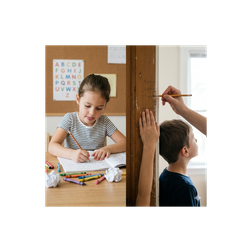
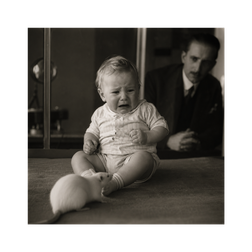
As you get older, you get better at things - is that just your genetics at work, or does our environment have an impact on how we grow and change? This episode looks at the difference between these ideas of learning vs maturation as an introduction to our Unit on Human Learning. An AI generated dialogue generated from class PowerPoint, written material and 'lecture' provided by Nell. From Pavlov's dogs, to Little Albert's fear of white furry things - this episode dives into the key elements of how Classical Conditioning explains how experience brings about relatively permanent changes in a human's behaviour. An AI generated conversation using notes from Nell's collection. The other type of Conditioning is Operant Conditioning - as outlined by Skinner. This voluntary behavioural change is all about consequences. An AI generated dialogue generated from class PowerPoint, written material and 'lecture' provided by Nell. Two Factor Learning and more
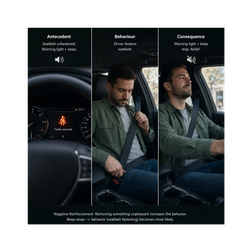
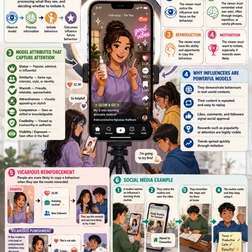
This episode looks at a range of topics that extend our understanding of Classical Conditioning and Operant Conditioning, including two-factor learning when they work together to influence relatively permanent changes in behaviour (learning). This audio was generated using lecture slides and audio recording from class.Hear a chat* about how Bandura's Social Learning Theory explains how Human's learn. This episode uses Social Media to provide examples of the 4 mediational processes of Attention, Retention, Reproduction, Motivation. This podcast was *AI generated using the Lecture Slides and other sources Nell provided on our myCollegiate page. Model Types and Attributes in Bandura's Social Learning Theory
Bandura identified and described 3 types of models that can be observed and result in learning - live, symbolic and instructional(verbal). This episode takes a look at these original explanations as well as looking at how social media influencers demsonstrate characteristics of all 3 types. This audio has been generated by NotebookLM using our class resources as its base information.Season 3
IP Task Instructions (and explanation)
This episode provides insight and discussion about the key requirements and reasoning for putting together your Investigation Project and Report. This was generated by NoteBookLM using Nell's class recordings and PowerPoints, the instructions from TASC for this year, and the Assessor Reports from the past 7 years of Psychology 3 Folios.Season 4
Quick Shot - Heritability
Heritability explained - a population statistic, not an individual measure. AI generated podcast using Gemini Notebook with class recording and notes from our course.Defining Intelligence - not as easy as it might seem!
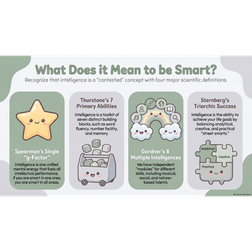
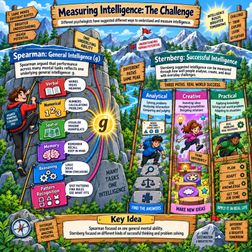
This episode considers how intelligence defnitions have evolved over time, and highlights that this is still a contested issue. This episode was generated by Gemin Noteboooks using our class recording, the debate pitch handouts, and the original articles proposing their theory from Spearman, Gardner, and Sternberg.Intelligence Conceptual Connections - theory similarities and measurement differences
This episode builds on previously considered theories/explanations of intelligence from Spearman, Gardner and Sternberg, looking at shared concepts. It then considers how, despite these similarities, approaches to measuring intelligence differ depending on which explanation of intelilgence is relied upon. This episode was generated by Gemini Notebooks from the class resources including the slides, the recording, debate pitch notes, the Burton, Westen and Kowlaski text book, and the original publications of each of the three theorists.