
Rethink Your Understanding

Rethink Your Understanding

by Phil Clark
Season 1

Software Delivery Teams, Deadlines, and the Challenge of Providing Reliable Estimates

This episode covers the article, "Software Delivery Teams, Deadlines, and the Challenge of Providing Reliable Estimates," and our AI hosts discuss the challenges software development teams face in providing reliable project estimates, particularly the pressure to meet deadlines and the resulting stress. The author advocates for using probabilistic estimations, which emphasize expressing confidence levels (e.g., "we are 80% confident") rather than aiming for precise, often unattainable, predictions. This approach aims to reduce team pressure, improve communication with management, and foster a more realistic and healthy work environment. The author highlights that this method is beneficial regardless of the project's delivery methodology (Agile, Waterfall, etc.). Ultimately, the goal is to improve planning accuracy and team well-being. Link to the article: Software Delivery Teams, Deadlines, and the Challenge of Providing Reliable Estimates, originally published December 09, 2023. Connect with me on LinkedIn

Adapting to Technological Shifts in Enterprise Software Development

This episode focuses on software engineering. The AI hosts discuss the challenges of adapting to technological shifts in enterprise software development. We reflect on the complexities of choosing and changing frameworks, highlighting the need for careful consideration of costs, risks, and long-term implications within large organizations. The conversation emphasizes the importance of strategic planning and a deep understanding of the organization's goals when making technology decisions. The article advocates for a balanced approach, combining awareness of new trends with the responsibility of maintaining stable, sustainable systems. The piece concludes by encouraging discussion and diverse perspectives on this crucial topic. Link to the article: Adapting to Technological Shifts in Enterprise Software Development, originally published August 19, 2023. Connect with me on LinkedIn

Shift Left Security, Security Unit Tests, OWASP Top 10, and AI: Key Practices for Secure Development

In this episode we focus on Software Engineering. The AI hosts analyze my article, Shift Left Security, Security Unit Tests, OWASP Top 10, and AI: Key Practices for Secure Development. The aim is to promote "shift left" security by integrating security testing early in the software development process. This involves writing security unit tests to tackle vulnerabilities highlighted in the OWASP Top 10, with examples provided in Java and JavaScript in the article. We explore the potential of AI to enhance security testing, including identifying vulnerabilities and improving the efficiency of static and dynamic analysis. Ultimately, the conversation promotes a proactive approach to security, combining established best practices with emerging technologies. Link to the article: Shift Left Security, Security Unit Tests and OWASP Top 10, and AI: Key Practices for Secure Development, originally published June 10, 2023. Connect with me on LinkedIn

Mitigating Metric Misuse: Preventing the Misuse of Metrics and Prioritizing Outcomes Over Outputs

This episode explores the effective use of software development metrics like Flow and DORA. It emphasizes the importance of focusing on outcomes, such as improved efficiency and team engagement, rather than just outputs like numbers. The conversation warns about the risks of metric gamification, where teams might manipulate metrics instead of solving real issues. It highlights the need for competent leadership to create a positive culture that uses metrics for ongoing improvement and prevents misuse. The main point is to use data to drive meaningful discussions about process improvement and show the value of investments beyond just building features. Link to the article: Mitigating Metric Misuse: Preventing the Misuse of Metrics and Prioritizing Outcomes Over Outputs, originally published June 21, 2023. Connect with me on LinkedIn

Developer Experience: The Power of Sentiment Metrics in Building a TeamX Culture

In this episode, our AI hosts explore my article, "Developer Experience: The Power of Sentiment Metrics in Building a TeamX Culture." The article contends that concentrating exclusively on "developer experience" is too limited. Instead, it advocates for a broader perspective focused on "team experience," which includes all roles within a software delivery team. The article emphasizes the importance of both system metrics, which measure delivery efficiency, and sentiment metrics, which gauge team morale and feelings about their work. By analyzing data from both sources, organizations can gain a more comprehensive understanding of team effectiveness and happiness, ultimately improving software delivery practices and fostering a more positive work environment. Link to the article: Developer Experience: The Power of Sentiment Metrics in Building a TeamX Culture, originally published June 18, 2023. Connect with me on LinkedIn

Outcome Metrics and the Difficulty of Reporting on Value

This episode argues that assessing the value created by software development teams is important but often ignored. It discusses the challenges of measuring the impact of software changes, such as the lack of tools, the time it takes to see results, and the difficulty in valuing intangible outcomes. The article suggests that teams should understand the expected value of their work and that outcomes should be regularly reviewed and communicated to them, which can boost motivation and productivity. Link to the article: Outcome Metrics and the Difficulty of Reporting on Value, originally published February 18, 2023. Connect with me on LinkedIn

Maximizing Technology Team Performance: Insights from a CEO Conversation

This episode looks at the challenges of measuring the performance and value of software development teams. It suggests that focusing only on metrics like individual output or the number of features delivered can be misleading, as it ignores whether those features are actually valuable to customers or the organization. The conversation highlights the need for teams to have a shared understanding of the purpose and value of their work. It recommends measuring not just delivery speed but also how those deliveries impact business outcomes. The conversation concludes that by grasping the value of what they're building and its effects, teams can work more efficiently, avoid overproduction, and feel more motivated and engaged. Link to the article: Maximizing Technology Team Performance: Insights from a CEO Conversation, originally published February 16, 2023. Connect with me on LinkedIn

Finally, Metrics That Help: Boosting Productivity Through Improved Team Experience, Flow, and Bottlenecks
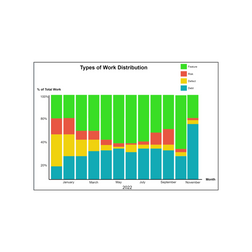
In this episode, the Deep Dive AI Hosts discuss the importance of modern performance metrics, pointing out that traditional methods for assessing software development teams are no longer effective. The article proposes a new approach that focuses on team experience, flow, and identifying bottlenecks in the software delivery process. This shift emphasizes continuous improvement and utilizes metrics to provide teams with actionable insights, allowing them to self-manage and optimize their workflow. The conversations also explores the market for software delivery metrics tools, analyzing their strengths and weaknesses and ultimately recommending a "think big, start small, scale-out" approach for selecting the best solution based on an organization's specific needs. Link to the article: Finally, Metrics That Help: Boosting Productivity Through Improved Team Experience, Flow, and Bottlenecks, originally published December 29, 2022. Connect with me on LinkedIn

Agile Software Delivery: Unlocking Your Team’s Full Potential. It’s not the Product Owner

In this episode, the AI hosts deep dive into the notion that agile teams need more than simply a product owner or the redistribution of scrum master skills to truly thrive. It emphasizes the vital role of an agile leader or scrum master in fostering collaboration, resolving conflicts, and maintaining the team’s overall well-being. The author introduces a model in which the product owner concentrates on features, the technical lead addresses technical debt and risk, and the agile leader facilitates communication and enhances team performance. The article underscores the significance of shared understanding and collaboration between product and technology teams, advocating for a “T-shaped” skill set, where team members possess deep expertise in one area while maintaining a broad comprehension of related fields Link to the article: Agile Software Delivery: Unlocking Your Team’s Full Potential. It’s not the Product Owner, originally published December 29, 2022. Connect with me on LinkedIn. Show note, Since the article was published in January 2023, it was reported that Capital One cut over 1,100 Agile roles as part of its strategy to integrate Agile practices into its core engineering and product management functions. This change indicates a maturation of their tech organization. The company noted that while Agile roles were important during earlier transformation phases, they became redundant as the organization evolved. This decision reflects a broader trend where companies are moving away from traditional Agile roles and instead embedding Agile skills into existing positions. However, I believe this shift may lead to Role Cognitive Overload and put essential team behaviors at risk. The Agile leadership role offers far greater value than merely serving as a facilitator.

The Shift to Software Management: A Skill Guide for New Managers

Today's episode serves as a valuable resource for aspiring software engineering managers. In the article "The Shift to Software Management: A Skill Guide for New Managers," The AI hosts dive deep into Phil's thorough overview of the essential skills needed for effective management. The piece highlights that transitioning from an individual contributor role to a managerial position demands a significant transformation in both mindset and skill set. Informed by his own experiences, Phil offers practical insights on fostering trust within teams, enhancing self-awareness and leadership skills, and skillfully navigating challenging conversations. The article also emphasizes the significance of mentorship during this transition, drawing on Phil's personal journey through the complexities of management. Furthermore, it highlights the crucial importance of continuous learning and adaptability in the constantly evolving field of software management. Link to the article: The Shift to Software Management: A Skill Guide for New Managers, originally published December 27, 2022. Connect with me on LinkedIn
7 of 8