Red Hoop Talk

Red Hoop Talk

by Association on. American Indian Affairs

Episode 85 - Brian Wallace Sierra Fund

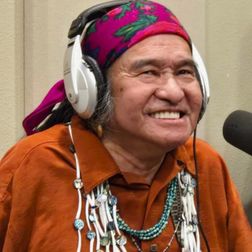
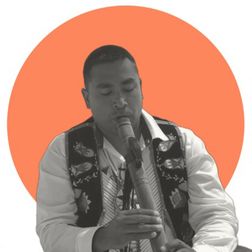
Episode 85 of Red Hoop Talk features Brian Wallace, a citizen of the Washoe Tribe and a Nisenan descendant, whose extensive career spans over 25 years of service to the Washoe Tribe. Known for his unwavering dedication to cultural preservation, environmental advocacy, and fostering cross-cultural partnerships, Brian is a respected leader in Native Country. In this episode, Brian shares his family’s ongoing efforts to preserve their language, history, and ancestral knowledge. His work is at the forefront of Indigenous-led initiatives in cultural preservation and land stewardship. The discussion delves into the history of Northern California Natives and the devastating impacts of colonization, particularly during the California Gold Rush. Paid genocide, enslavement, and resource mismanagement devastated the region, leaving the original stewards of the land to undertake the monumental task of restoring their homelands and healing their communities. Brian offers profound insights into the waterways of Northern California and their connection to original village sites, burial grounds, and ceremonial spaces. His life's work involves collecting, archiving, and researching his family's legacy, including the invaluable contributions of his Ancestor and family matriarch, Lizzy Enos. Renowned for her fluency in traditional language and lifeways, Lizzy’s knowledge was studied extensively by universities. Brian is now reclaiming and sharing that knowledge with her descendants, ensuring it remains within the community rather than confined to institutions. Listeners can learn more about Brian’s efforts and support the Sierra Fund at sierrafund.org. Supporting the Association on American Indian Affairs amplifies the voices of culture carriers like Brian and keeps us connected to the rich heritage of Native Nations.

Episode 84 - Johnny Moses

In Episode 84 of "Red Hoop Talk," host Jennifer welcomes Johnny Moses (Tulalip/Nuu-chah-nulth), a master storyteller, healer, and cultural ambassador. Johnny’s journey began in the remote village of Ohiat on Vancouver Island, where he was raised in the traditional ways by his grandparents. He carries the Si.Si.Wiss teachings—meaning "sacred breath, sacred life"—and is dedicated to sharing his people’s cultural wisdom through storytelling and healing ceremonies. Fluent in eight Native languages, Johnny travels widely as an ambassador of his culture, sharing the rich tapestry of his heritage through songs, lectures, and performances. Known by his traditional name, Whis.stem.men.knee, or "Walking Medicine Robe," Johnny has been entrusted with carrying forward the healing power of his ancestors. His storytelling brings to life “medicine stories,” “animal stories,” and even “adult stories,” which showcase the medicinal qualities of language, laughter, and song. During the episode, Johnny recounts powerful personal experiences, such as his time at boarding school, where he formed an unexpectedly close friendship with Sister Mary. Sent home with a cancer diagnosis, Johnny later found healing through Native foods, songs, and stories—an experience that underscores the strength of his cultural roots. His vibrant personality and humor have a way of endearing him to everyone he meets, including Jennifer, with whom he shares a friendship spanning over a decade. For listeners looking to dive deeper, more about Johnny’s work and upcoming events can be found at JohnnyMoses.com. Each episode of "Red Hoop Talk" offers a chance to connect with Native voices and stories, and by supporting the Association on American Indian Affairs, you can help support Native voices and stories.

Episode 83 - Jessie Taken Alive Renountre

Jessie Taken Alive-Rencountre Episode 83 Jessie Taken Alive-Rencountre is a Hunkpapa Lakota from the Standing Rock Sioux Tribe. She has worked as a school counselor serving hundreds of students for 15 years. She was named the Great Plains Emerging Tribal Writer’s Award winner for her 1st children’s book Pet’a Shows Misun the Light. Utilizing her teachings from her Lakota culture combined with a school counselor lens, she has published 7 children’s books, with more in the works. Jessie was invited to be a guest speaker for Facebook and Instagram in the fall of 2021 (@jessietakenaliverencountre @indigenous_jess) Her passion is to help people remember their importance in life and to utilize their unique talents, and to create better communities for future generations to come. She is also a Lakota Jingle Dress Dancer and loves to educate others about Lakota culture using storytelling combined with traditional song and dance. In 2021, Jessie was named a future legacy leader by the Spirit Aligned Leadership Program, an international organization. Jessie has an incredible gift of sharing stories that are not only culturally significant but tie into the human experience. Her teachings include why we wear braided hair, understanding injustice, grief, and the use of traditional drums for healing. These are lessons and values that are significant for all Native Nations and have been gifted back to all of us – Native and nonnative alike – through Jessie’s authentic traditional Lakota insight presented so eloquently in the form of a childrens’ books. Jessie has written children’s books from her Indigenous perspective, yet her books are being used in non-native education settings, rehabilitation clinics and in adult libraries. As a child these types of stories were not in book form for many of us. Jessie brings, pride, understanding and Ancestral teachings to all of Turtle Island. Her connection to the Ancestors, ceremonies, songs, dances and prayers is so apparent in this podcast as well as in the creation of her books and is an incredible example of how our heartbreak becomes our medicine. Jessie shared the story of the loss of both of her parents within 33 days of each other during Covid. Her grief was so heavy until the realization that they are not “gone” or “lost” but have transformed and are never far from us. This was beautifully articulated in her book Rainbows in December where she shared the moments of pain, prayer and comfort in the knowledge that our loved Ancestors are truly always with us. Supporting The Association on Native American Affairs helps not only keeping us close to culture but also showcasing those who are culture carriers! Facebook @jessietakenaliverencountre IG @indigenous_jess

Episode 82 - Carly Harvey DC Queen of the Blues

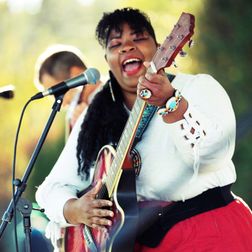
In episode 83 of Red Hoop Talk, we welcome Carly Harvey, descendant of the Eastern Band Tsalagi and Tuscarora, known as DC’s Queen of the Blues! Carly brings a unique blend of Blues, Jazz, Soul, and Indigenous American styles, creating a powerful fusion she calls "Native Scat"—an improvisational style that combines traditional Jazz scat with Native vocables. Carly Harvey, based in Washington, DC, has made significant strides in the music industry. In July 2018, she was featured in Big City Blues Magazine as one of the youngest Blues artists to watch. She is a three-time winner of the DC Blues Society Battle of the Bands and was crowned DC's Queen of the Blues in 2016 by Dr. Nick Johnson of WPFW Radio. Her talents were further recognized in 2021 when she received seven nominations and won the WAMMIE award for Best Blues Artist. Carly believes that the Blues not only stem from the African American experience but are also deeply influenced by Indigenous minor pentatonic melodies and Stomp Dance songs. Through her master classes, Carly educates others about the diverse roots of the music she loves and takes pride in, celebrating her Afro-Indigenous heritage. During this episode, Carly shares her personal journey as an Afro-Indigenous musician, openly discussing the pressures she faced from both the community and the music industry. She reflects on her decision to fully embrace her identity and offers insights into the history of modern music, exploring the significant contributions of Indigenous Peoples and enslaved Africans. Carly even gifts listeners with a special demonstration of “Native Scatting,” showcasing her innovative fusion of genres. Carly credits much of her success and inspiration to deep listening to her ancestors. By following their wisdom and melodies, she brings their stories to life in her music, providing audiences with a deeper appreciation of the roots of modern music. Carly also introduces her new album, Kamama, named after her Tsalagi name, which means "Butterfly." She explains how the album seamlessly blends Native American vocables with Blues, creating a rich tapestry of sound that includes Folk, Funk, and Blues Rock, catering to a wide range of musical tastes. For those interested in learning more about Carly's work or attending one of her master classes, visit her website at CarlyHarvey.com. You can also follow her on social media @carlyharveymusic and stream her music on Bandcamp, iTunes, Spotify, and other platforms. This episode wouldn’t be possible without the Association on American Indian Affairs and the support of our community of donors and volunteers. Yakoke!

Episode 81 - Mark Williams MB Choctaw Film Maker and Carly Kohler (Hoopa) of Gift of Fear

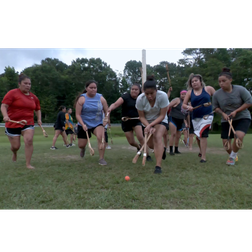
Episode 81 of "Red Hoop Talk" opens with an engaging conversation between our host, Jennifer, and Mark Williams, a citizen of the Mississippi Band of Choctaw Indians and an award-winning filmmaker. Mark shares his journey from humble beginnings in filmmaking to his work with the Native American Paranormal Society. The episode delves into the rich history of the Southeastern Native sport of stickball, exploring America’s oldest sport, its significance, and the evolving roles of women in this tradition from ancient times to the present day. Mark’s work in documenting Indigenous sports and athletes has been extensive, offering a unique perspective on modern culture-bearers and their contributions to American sporting society. His films can be found on his YouTube platforms, Digital Feather Media and Native Boy Productions, and his documentary "Shiloh" is currently streaming on Amazon Prime. As a special addition, we welcomed surprise guest Carly Kohler, of Yurok, Karuk, Hupa and European descent from On Native Ground, who joined us to discuss her film "Gift of Fear." Co-written with her father, Jack Kohler, this powerful feature film addresses critical issues such as the MMIW (Missing and Murdered Indigenous Women) crisis, LGBTQ2S+ identities, the foster care system, and gang violence, all masterfully woven into one script. "Gift of Fear" is available on multiple platforms, including Amazon, YouTube, Google Play, Xbox, Filmzie, Tubi, Vimeo, Dish, and DirecTV. Carly also introduced us to On Native Ground’s new podcast, "Floodlights," which focuses on the MMIW crisis and shares family stories. The podcast is accessible on all major platforms and via onnativeground.org. This week’s episode of "Red Hoop Talk" brings a wealth of Native content to our audience, providing opportunities to explore and connect with Native stories and perspectives. Yakoke (thank you) for tuning in, and don’t forget to join us next month as we “hop back into the hoop”!

Episode 80 - Miko Thomas aka Landa Lakes - New Host introduction Jennifer Robin!

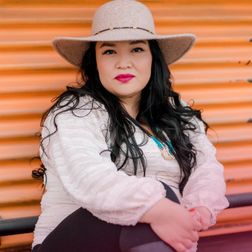
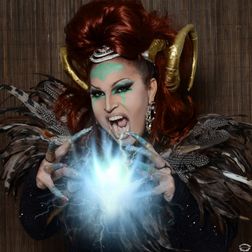
Landa Lakes is a Chickasaw writer, activist and artist. As drag persona Landa Lakes, in 2004, she founded drag performance groups in San Francisco including the Two-Spirit Native American drag troupe, the Brush Arbor Gurlz, and in 2005 the creative and campy House of Glitter. She is also the Westcoast Mother of the Vogue House of Lauren, International, and is the recipient of the national pageant title Jewel of the Galaxy. Landa uses art to combine contemporary ideas with Native history and traditional stories to convey the shared experiences and understanding of human nature outside the Western perspective. Her notable honors include the New York Fresh Fruit Festival Performance Award, KQED LGBT Local Hero Award, and she was publicly elected as Grand Duchess 36 of the Grand Ducal Council of San Francisco, a non-profit organization of which she has served as president. Thomas served as Co-Chair to the Bay Area American Indian Two-Spirits (BAAIT-S) for many years and remains on the board, she is one of the original founders of the BAAIT-S Two-Spirit Powwow now in its 14th year. The BAAIT-S Powwow was the first Two-Spirit public powwow and has continued to bring in close to 5K people annually. In 2019, she co-founded the annual Weaving Spirits Two-Spirit Performance Festival. Credits include RuPaul's Drag Race Season 1 ep 7, I've Been To Manhattan, Launch Pad and The Roof.

Episode 89 - Billy Mills - Lakota Olympic Gold Record Holder

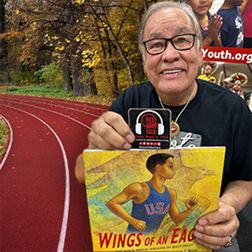
Billy Mills, an Oglala Lakota (Sioux) runner, was born in Pine Ridge, South Dakota, and grew up on the Pine Ridge Indian Reservation. Orphaned at 12 and surrounded by poverty, he turned to running as a source of strength, eventually earning a track scholarship to the University of Kansas and serving as a Marine Corps officer. At the 1964 Olympics, he shocked the world by winning gold in the 10,000-meter race, a feat no other American has accomplished. His victory remains one of the greatest moments in Olympic history. In this episode, Billy Mills shares the wisdom passed down through generations, offering rare insights from his grandfather, who learned directly from leaders like Sitting Bull and Red Cloud. He reflects on the challenges Natives have faced in being seen and heard, emphasizing the importance of leading with values and virtues. Mills also speaks about his personal struggles and triumphs, reminding us that resilience is built through both hardship and victory. Billy takes us on a deeply personal journey, sharing the mindset and sheer determination that led to his historic Olympic win. He opens up about the struggles Natives continue to face in being seen and heard, reminding us of the strength in our identities. His words don’t just inspire pride in our histories and cultures—they challenge us to honor those who came before us by carrying their teachings forward. For more from Billy Mills, check out On Eagle’s Wings and Lessons of a Lakota, available on Amazon, Barnes & Noble, and Target, or visit IndianYouth.org. Support the work of the Association on American Indian Affairs by donating, volunteering, or following us on social media! Follow Billy Mills: Facebook.com/OfficialBillyMills

Ep. 104 - Darren Thompson, citizen of the Lac du Flambeau Band of Lake Superior Chippewa Indians

In Episode 104 of "Red Hoop Talk," host Jennifer Robin welcomes Darren Thompson, citizen of the Lac du Flambeau Band of Lake Superior Chippewa Indians, an Indigenous journalist, photographer, musician, and multimedia storyteller whose work focuses on Native Nation sovereignty, environmental issues, and Indigenous-led reporting. Darren has spent years covering major issues across Native Country, including the Standing Rock movement, sacred site protection, land restoration efforts, and contemporary Native Nation governance. During the conversation, Darren reflects on his experiences reporting at Standing Rock during the Dakota Access Pipeline protests. Arriving as an arts reporter, he quickly realized that much of the national media coverage differed from what he was witnessing on the ground. That experience strengthened his commitment to Indigenous journalism and reinforced the importance of Native voices telling Native stories. He shares how Indigenous journalists provide cultural, historical, and community context that is often missing from mainstream reporting. Jennifer and Darren also discuss topics ranging from artificial intelligence and misinformation to resource extraction, land restoration efforts, and the protection of sacred places. The conversation explores how Native Nations continue navigating complex decisions involving economic development, environmental responsibilities, and cultural values while exercising their sovereignty. Darren also speaks about working across multiple forms of media, including writing, photography, video, radio, and music. He reflects on the relationships he has built while reporting in Native Country and the responsibility journalists carry when telling stories that affect Native Peoples and Native Nations. Listeners are encouraged to support Indigenous media, follow Native journalists, and seek out Native-led reporting that centers Native perspectives. Each episode of "Red Hoop Talk" offers an opportunity to hear directly from Native voices and stories, and by supporting the Association on American Indian Affairs, you can help strengthen Native storytelling, journalism, and public education.
Ep 99 - Kimberly Norris Guerrero - Colville Confederated Tribes, Salish and Kootenai

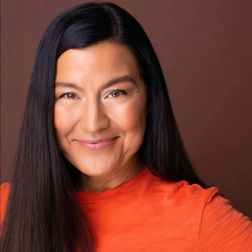
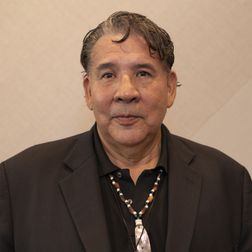
In the 99th episode of Red Hoop Talk, host Jennifer is joined by Kimberly Norris Guerrero (Colville Confederated Tribes, Salish and Kootenai), a contemporary storyteller whose work spans film, television, and theatre. Kimberly’s recent projects include the HBO Original Series It: Welcome to Derry, streaming hits Reservation Dogs and Rutherford Falls, the gritty revenge thriller Catch the Fair One opposite Emmy nominee Kali Reis, the animated Netflix series Spirit Rangers, and Amazon productions Outer Range and The English alongside Emily Blunt and Chaske Spencer. On stage, she originated the role of Johnna in Tracy Letts’ Tony Award–winning play August: Osage County on Broadway. Throughout the conversation, Kimberly reflects on story as medicine—never neutral, always carrying the power to heal or harm. She speaks candidly about Indigenous representation in modern media, the responsibility storytellers carry, and the importance of balance between humor and grief, truth and compassion. Drawing on teachings such as the medicine wheel, she shares how Indigenous storytelling holds space for joy, loss, accountability, and resilience at the same time. Kimberly also shares her journey from acting into community-centered work, describing years spent working with Native Nations across Turtle Island using filmmaking as a tool to empower youth and promote wellness throughout Native Nations. She discusses navigating Hollywood with integrity, collaborating on Native-led productions, and the vulnerability required to tell stories rooted in lived experience. Now serving as a Professor in the Department of Theater, Film, and Digital Production at UC Riverside, Kimberly is committed to mentoring and empowering the next generation of storytellers. This episode offers an honest and grounded conversation about narrative sovereignty, creative responsibility, and the power of Native joy in storytelling—even in the face of grief and ongoing challenges such as the Missing and Murdered Indigenous Relatives crisis. Kimberly’s reflections remind listeners that Native stories are living, relational, and essential. Each episode of Red Hoop Talk connects listeners with powerful Native voices. By supporting the Association on American Indian Affairs—through listening, sharing, donating, or getting involved—you help keep those voices strong and ensure Native-led storytelling continues to thrive. Donate at Indian-Affairs.org.
3 of 3