Unperplexed: Parsha Lessons from Maimonides's Guide of the Perplexed

Unperplexed: Parsha Lessons from Maimonides's Guide of the Perplexed

by Yitzchak Sprung
Season 4
Naso: The Holy Patient
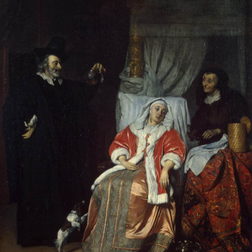
The Holy Patient Why does the Rambam compare the Nazir to the Kohen Gadol? This week's episode explores a striking paradox: the Nazir is both a patient in need of treatment and a model of holiness. What can this teach us about struggle, self-discipline, and spiritual growth? Sources:Num. 6, Guide 3:48, Eight Chapters sec. 4 Pictured: Gabriël Metsu, Visit of the Physician
Bemidbar: The Ark on Their Shoulders
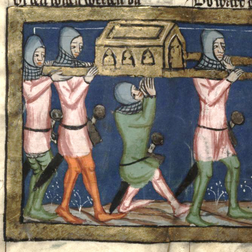
Why was the Ark carried on shoulders rather than transported by wagon? This week, we explore the Rambam’s surprising answer—and what it reveals about leadership, honor, and the responsibilities that cannot be delegated.
Behar/Bechukotai: Does the Merit of the Patriarchs Ever Run Out?
How long does the merit of the patriarchs really last? This week on Unperplexed, we explore a striking debate among the Sages—and the Rambam’s surprising answer. Why do Avraham, Yitzchak, and Yaakov still matter after generations of failure and exile? And what did they do to merit an “eternal covenant”? More importantly: could we achieve something similar ourselves?
Emor: Uncertainty and the Art of Torah Study
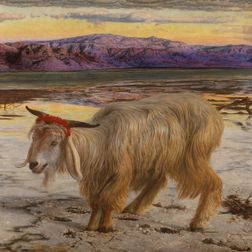
We often turn to great thinkers for answers. But what happens when they refuse to give them? This episode considers one of the most striking moments in the Guide of the Perplexed—and what it reveals about the nature of Torah study. Sources: Lev. 23:13, Introduction to Guide Part 3, Guide 3:46 Art by Sefira Lightstone
Acharei Mot/Kedoshim: We All Sin. But How Do We Feel?
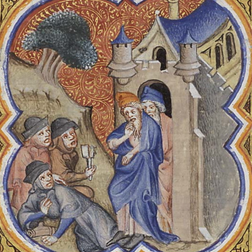
We all sin. But how do we feel when we do? The Sin Offerings are there to ask us this question. And to give us an answer.
Tazria-Metzora; The Gift of Tzara'at
Tzara'at is a gift. In fact, it's a good example of why punishments in general are so good and helpful for us. And it's something that we need to be prepared to learn from and imitate.
Tzav: Why Some Sins Matter More
Sins and violations are not always treated equally in the Torah and that can seem arbitrary. Wouldn’t it make more sense for sins to be treated in the same way? As always, the Rambam helps us understand and lends a lesson for our lives.
Vayikra: Make it Easy
Make it easy for people. Sin offerings could be very expensive. But what of someone who cannot afford to bring these animals for a sacrifice? This issue is addressed in our Parsha. And it's not just about sacrifices. Sources: Lev. chap. 5, Laws of Shegagot 1:3, 10:1-5, Guide 3:46.
Vayakhel-Pekudei: Where is the Glory of God?
What is the kavod, the “glory” of God, so often referred to in the Bible? It settled on Mount Sinai and Moses begged to see it. All the earth is filled with it and Jeremiah teaches us to render glory to God. But what is it? In this episode we will answer not only these questions but a more pressing one: where is God's glory today? Sources: Ex. 24:16, 33:18, 40:, Isaiah 6:3, Jer. 13:16, Ps. 29:9,11, Guide 1:19, 54, 64, Kedusha of Mussaf for Shabbat.
Ki Tisa: Nietzsche and the Will to Shabbat
Nietzsche wasn’t wrong about everything. No, the will to power- pure human desire that crosses all moral boundaries- will never be Jewish. But he got something fundamentally right. We will call it the ‘Will to Shabbat.’ And we read about it in this week’s torah portion.
1 of 18