P.I. Readings for Growth

P.I. Readings for Growth

by Faith Harmony

Episode Seven - How Do I Change the Beliefs That Keep Me Stuck?

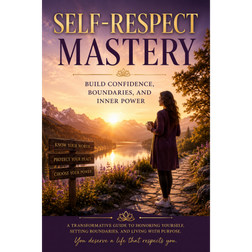
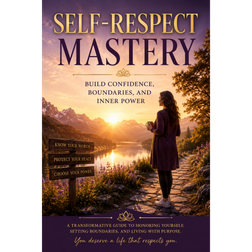
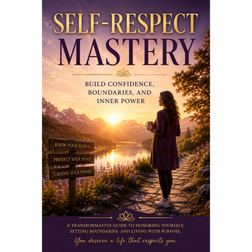
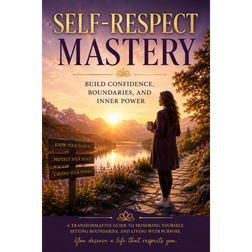
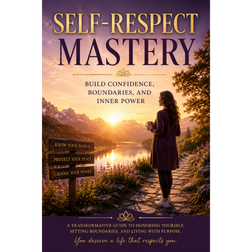
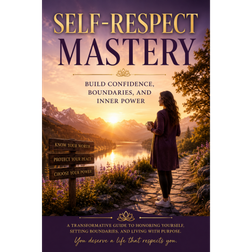
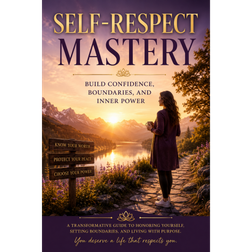
Why do healthy boundaries still leave us feeling guilty? And why is it so difficult to prioritize our own well-being without feeling selfish? In this episode of PI Reading for Growth, host Jeffery Bean continues reading Self-Respect Mastery: Build Confidence, Boundaries, and Inner Power by Faith Harmony, exploring the third and fourth stages of the Positively Improved 5R Method: Reframe and Regenerate. Together, we'll discover how outdated beliefs quietly shape our decisions, why our inner critic often resists healthy change, and how restoring our physical, emotional, and mental energy provides the foundation for lasting self-respect. Through practical exercises, relatable stories, and compassionate guidance, this episode will help you challenge limiting beliefs, overcome guilt around rest, and begin building a life fueled by intention rather than exhaustion. In This Episode Why setting a boundary is only the beginning of lasting change Understanding the inner critic and the "Should Tyrannies" The four-question framework for challenging limiting beliefs How to replace fear-based thinking with evidence-based beliefs The Evidence File exercise for reframing old stories Why perfectionism often disguises self-neglect The importance of accepting your human limits Understanding the difference between numbing and genuine restoration Creating your own Energy Account to identify withdrawals and deposits Why rest is a biological necessity—not something that must be earned Protecting your emotional energy by investing in relationships that replenish you Weekly Practice This week, focus on the next two stages of the 5R Method: Reframe Identify one limiting belief that frequently appears in your life. Ask yourself:Is this belief objectively true? Where did I learn it? What has it cost me? What healthier, more accurate belief can replace it? Create an Evidence File by listing both the evidence supporting and contradicting your belief. Regenerate Create an Energy Account with two columns:Withdrawals Deposits Track your energy for one week. Schedule one intentional, non-negotiable activity each day that genuinely restores your mind, body, or spirit. Key Takeaway Changing your life requires more than changing your behavior. Lasting transformation happens when you replace limiting beliefs with truthful ones and consistently restore the energy needed to live them out. Self-respect grows stronger every time you challenge an old story, honor your humanity, and make intentional deposits into your emotional, mental, and physical well-being. If this episode encouraged you, consider sharing it with someone who may be carrying outdated beliefs or living with an empty emotional tank. Sometimes one new perspective is all it takes to begin rewriting a lifetime of unnecessary guilt. Thank you for listening, and until next time, continue learning, continue growing, continue reflecting, and continue becoming positively improved. Namaste.

Episode Six - How Do I Build Self-Respect One Decision at a Time?

AI
How do you move from understanding self-respect to actually living it every day? In this episode of PI Reading for Growth, host Jeffery Bean continues reading Self-Respect Mastery: Build Confidence, Boundaries, and Inner Power by Faith Harmony, exploring the first two practical stages of the Positively Improved 5R Method: Recognize and Rebalance. Through relatable stories, practical exercises, and actionable strategies, you'll discover that lasting self-respect isn't built through dramatic life changes—it grows through small, intentional decisions made consistently over time. Together, we'll learn how to interrupt automatic patterns of self-abandonment, identify the hidden costs of overcommitting, and begin creating healthier boundaries that protect both your well-being and your relationships. In This Episode Why awareness is the foundation of lasting personal change How to recognize self-abandonment in real time Learning to notice the physical signals your body gives you How the Self-Respect Audit reveals hidden patterns Understanding the emotional cost of constantly saying "yes" Why overcommitment often stems from old survival habits The importance of restoring balance across life's key areas The Acknowledge – Limit – Offer boundary communication framework How healthy boundaries strengthen relationships rather than damage them Why confidence develops after courageous action—not before it Alex's journey from automatic people-pleasing to intentional living Reflection Questions When do I most often abandon my own needs? What physical sensations tell me I'm about to ignore my inner voice? Which area of my life feels the most out of balance right now? What fear makes it difficult for me to say "no"? What is one healthy boundary I can practice this week? Weekly Practice This week, focus on just the first two stages of the 5R Method: Recognize Carry a notebook or use your phone to record moments when you override your own needs. Notice the situation, your first emotional reaction, and the decision you made. Observe without judgment. Rebalance Choose one area where you've been overextending yourself. Practice the simple communication framework: Acknowledge the other person's situation. Limit by clearly stating your boundary. Offer support only if it genuinely respects your own limits. Remember, healthy boundaries don't require lengthy apologies—they require honesty and kindness. Key Takeaway Self-respect isn't built through one life-changing conversation or a single act of courage. It is strengthened every time you pause before reacting, honor your own needs without guilt, and choose intentional living over automatic people-pleasing. Every small decision becomes evidence that you are learning to trust yourself again. If this episode encouraged you, consider sharing it with someone who may be learning that honoring themselves isn't selfish—it's one of the healthiest decisions they can make. Namaste.

Episode Five - Why the 5R Works: The Science of Lasting Behavioral Change

AI
Why do some personal growth strategies create lasting transformation while others seem to fade after a few days? In this episode of PI Reading for Growth, host Jeffery Bean continues reading Self-Respect Mastery: Build Confidence, Boundaries, and Inner Power by Faith Harmony, exploring the science behind lasting behavioral change and why the Positively Improved 5R Method works with your brain instead of against it. Together, we uncover how the brain forms new neural pathways, how habits are created and replaced, why emotional safety matters for personal growth, and how consistent practice leads to genuine transformation. Through relatable stories and practical examples, you'll discover that lasting change isn't about becoming someone different; it's about strengthening healthier patterns until they become your new way of living. In This Episode Why the brain is capable of changing throughout life Understanding neuroplasticity in everyday language How repeated choices create automatic behavioral patterns The habit loop: cue, routine, and reward Why self-abandonment becomes an unconscious habit How the 5R Method interrupts unhealthy patterns The connection between emotional safety and personal growth How cognitive reframing changes long-held beliefs Why self-determination is essential for lasting self-respect Understanding the Self-Respect Cycle and the spiral staircase metaphor Amir's story: building confidence through healthy boundaries Why setbacks are part of growth, not evidence of failure Reflection Questions Which automatic habit no longer serves the person I'm becoming? What situations consistently trigger self-abandonment? Which belief beneath that habit deserves to be questioned? Where have I mistaken temporary relief for lasting peace? What small decision today could begin creating a healthier pattern? Weekly Practice Choose one recurring situation this week where you usually react on autopilot. Instead of responding immediately, intentionally walk through the 5R Method: Recognize – Pause and notice what is happening. Rebalance – Choose a response that honors your well-being. Reframe – Challenge the belief driving your automatic reaction. Regenerate – Restore your energy through healthy self-care. Renew – Reflect on what you learned and carry it into the next opportunity. Remember, every intentional choice strengthens a healthier pathway for the future. Key Takeaway You are not trapped by the habits you've practiced for years. Your brain is designed to learn, adapt, and grow throughout your life. Every time you choose self-respect over self-abandonment, you strengthen new patterns that gradually become your new normal. Lasting transformation isn't about one dramatic breakthrough; it's about consistent, intentional choices that reshape your mind, your relationships, and your life. If this episode encouraged you, consider sharing it with someone who may need the reminder that meaningful change is possible, one decision, one habit, and one step at a time. Namaste.

Episode Four - What Does Self-Respect Actually Look Like in Everyday Life?

What does self-respect actually look like beyond motivational quotes and positive thinking? In this episode of PI Reading for Growth, host Jeffery Bean continues reading Self-Respect Mastery: Build Confidence, Boundaries, and Inner Power by Faith Harmony, exploring how self-respect is built through everyday choices rather than extraordinary moments. Together, we redefine self-respect as a practice of integrity one that honors your values, protects your boundaries, and allows you to live with greater clarity and peace. This episode also introduces the Positively Improved 5R Method: Recognize, Rebalance, Reframe, Regenerate, and Renew a practical roadmap designed to help you move from self-abandonment to lasting personal transformation. Through relatable stories and real-life examples, you'll discover how small, intentional decisions gradually reshape your relationship with yourself and create a stronger foundation for emotional well-being. In This Episode Why self-respect is a daily practice rather than a feeling The difference between self-respect, self-esteem, and arrogance How integrity guides everyday decisions Why healthy boundaries strengthen relationships instead of damaging them The hidden cost of constantly saying "yes" An introduction to the Positively Improved 5R Method Understanding each stage of the 5R framework:Recognize Rebalance Reframe Regenerate Renew How Lena transformed chronic people-pleasing into healthy self-respect using the 5R Method Why sustainable change happens one intentional decision at a time Reflection Questions Where have I recently chosen someone else's comfort over my own peace? Which area of my life feels out of balance right now? What belief may be preventing me from setting healthy boundaries? How do I restore my energy when I begin feeling depleted? What small daily habit could help me strengthen my self-respect? Weekly Practice This week, choose one situation where you normally react on autopilot and intentionally walk yourself through the 5R Method: Recognize – What is actually happening? Rebalance – What needs to change? Reframe – What belief is influencing my response? Regenerate – What do I need to restore my energy? Renew – How can I make this a healthier habit moving forward? Remember, transformation doesn't happen through perfection—it happens through consistent, intentional practice. Key Takeaway Self-respect isn't something you earn after becoming successful, confident, or accepted by others. It is built through the quiet choices you make every day to honor your values, protect your well-being, and live with integrity. The 5R Method provides a clear roadmap that helps you return to yourself whenever life pulls you off course. If this episode encouraged you, consider sharing it with someone who may be looking for a practical, compassionate approach to building confidence, healthy boundaries, and lasting self-respect. Namaste.

Episode Three - Why Quick Fixes Fail

AI
Have you ever wondered why affirmations, boundary scripts, or motivational videos seem to work for a while, but eventually you find yourself slipping back into the same old habits? In this episode of PI Reading for Growth, host Jeffery Bean continues reading Self-Respect Mastery: Build Confidence, Boundaries, and Inner Power by Faith Harmony, exploring why true transformation requires much more than surface-level behavior changes. Together, we examine the hidden emotional blueprint that shapes our decisions, relationships, and self-worth. You'll discover why lasting change begins by understanding the beliefs and survival strategies formed long before adulthood, and how awareness becomes the first step toward rewriting those patterns with compassion. In This Episode Why quick fixes rarely create lasting personal growth The difference between changing behavior and changing beliefs How your nervous system influences everyday decisions Understanding your emotional blueprint Why guilt and fear often appear when setting healthy boundaries The role of curiosity in emotional healing A practical exercise to begin identifying patterns of self-abandonment How small moments of awareness create lasting transformation Reflection Questions What quick fix have I been hoping would solve a deeper issue? What fear arises when I imagine disappointing someone? Which beliefs about myself may have originated in childhood? Where have I been operating on emotional autopilot? What small decision could reflect greater self-respect today? Practical Exercise Create two columns on a sheet of paper: Where I Abandoned Myself What Self-Respect Would Have Looked Like Reflect on the past few days and honestly identify moments where you ignored your own needs. Then write how you wish you had responded instead. This simple exercise helps reveal the gap between automatic habits and intentional living, the space where lasting transformation begins. Key Takeaway Lasting change doesn't happen because you memorize better words or discover the perfect morning routine. It happens when you understand the emotional blueprint beneath your behavior and begin replacing old survival patterns with healthier beliefs rooted in self-respect. If this episode encouraged you, consider sharing it with someone who may be searching for deeper healing instead of temporary motivation. Subscribe for more episodes of PI Reading for Growth 📚 Book: Self-Respect Mastery: Build Confidence, Boundaries, and Inner Power ✍️ Author: Faith Harmony 🎙️ Hosted by: Jeffery Bean Topics Covered: Self-Respect • Personal Growth • Emotional Healing • Healthy Boundaries • Self-Awareness • Emotional Intelligence • Mindset Transformation • People-Pleasing Recovery • Confidence • Mental Wellness Thank you for listening, and until next time, continue learning, continue growing, continue reflecting, and continue becoming positively improved. Namaste.

Episode Two - Why Do I Keep Abandoning Myself Even When I Know Better

AI
Why do so many of us continue saying yes when we desperately want to say no? Why do we put everyone else's needs first, even when we know it's leaving us exhausted, overwhelmed, and disconnected from ourselves? In this opening episode of PI Reading for Growth, host Jeffery Bean introduces the first chapter from Self-Respect Mastery: Build Confidence, Boundaries, and Inner Power by Faith Harmony. Together, we explore the quiet ways self-abandonment develops over time, how people-pleasing and perfectionism become survival strategies, and why genuine self-respect has very little to do with confidence or self-esteem. Through relatable stories, practical insights, and thoughtful reflection, this episode offers a compassionate invitation to begin rebuilding a healthier relationship with yourself—one small choice at a time. In This Episode The difference between self-respect, confidence, and self-esteem Why people-pleasing is often a learned survival strategy How chronic overgiving slowly erodes your identity Understanding resentment as a signal instead of a flaw Why awareness is the first step toward lasting change Practical questions to help reconnect with your own needs How small daily choices become the foundation of lasting self-respect Reflection Questions Where have I been abandoning myself without realizing it? What needs have I been placing behind everyone else's? When do I find myself saying "yes" before checking in with myself? What would respecting myself look like in one situation this week? What is one small boundary I can practice today? Key Takeaway Self-respect is not built through one dramatic decision. It grows through the quiet moments when you pause, honor your needs, and choose to live in alignment with your values instead of your fears. If this episode encouraged you, consider sharing it with someone who may also be learning to rediscover their worth. Subscribe for more episodes of PI Reading for Growth 📚 Books by Faith Harmony 🎙️ Hosted by Jeffery Bean 🌿 Personal Growth • Emotional Healing • Self-Awareness • Healthy Boundaries • Mindset Transformation • Emotional Resilience Thank you for listening, and until next time, continue learning, continue growing, continue reflecting, and continue becoming positively improved. Namaste.

Episode One: The Quiet Revolution of Self-Respect

AI
PI Reading for Growth Episode 1 — The Quiet Revolution of Self-Respect Book: Self-Respect Mastery: Build Confidence, Boundaries, and Inner Power Welcome to the first episode of our newest book series, Self-Respect Mastery. In this opening episode, we explore one of the most important yet often overlooked foundations of emotional well-being: self-respect. Many people spend years believing that constantly giving more, working harder, and putting everyone else's needs first is a sign of strength. Yet beneath that generosity, many quietly experience exhaustion, resentment, and a growing disconnection from themselves. In this episode, we examine how self-abandonment develops through small daily choices rather than dramatic events, why so many caring and capable people struggle to value themselves, and how rebuilding self-respect begins with honest awareness rather than self-criticism. We also introduce the Positively Improved™ 5R Method—Recognize, Rebalance, Reframe, Regenerate, and Renew—a practical framework that will guide us throughout this book series as we learn how to rebuild confidence, establish healthy boundaries, and develop lasting inner strength. In This Episode Why self-respect is the foundation of lasting confidence. The hidden cost of always putting others first. How self-abandonment quietly develops over time. Why burnout is often more than physical exhaustion. The difference between generosity and self-neglect. How cultural expectations can reinforce unhealthy patterns. Why traditional self-care advice often falls short. An introduction to the Positively Improved™ 5R Method. How small daily choices create lasting personal transformation. The first step toward reclaiming your relationship with yourself. Reflection Questions Where in my life have I been placing myself last? Which daily habits quietly communicate that my own needs are less important? What beliefs make it difficult for me to establish healthy boundaries? How would my life change if I believed my needs mattered just as much as everyone else's? What is one small act of self-respect I can practice today? Key Takeaway Self-respect is not something we earn through achievement, sacrifice, or perfection. It is something we remember through the small choices we make every day to honor our needs, protect our peace, and remain connected to ourselves. If You Enjoyed This Episode If this episode encouraged you to reflect on your own journey, consider following PI Reading for Growth so you never miss future episodes in the Self-Respect Mastery series. If you know someone who is constantly giving to others while forgetting themselves, share this episode with them. It may be the gentle reminder they need to begin their own quiet revolution of self-respect. Thank you for listening, and until next time, continue learning, continue growing, continue reflecting, and continue becoming positively improved. Namaste.

The Final Series Episode - Living from Your Sanctuary — The Growth Edge

AI
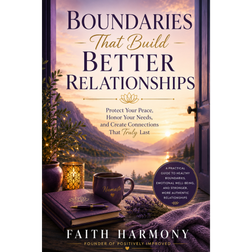
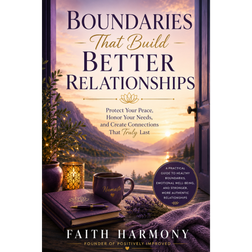
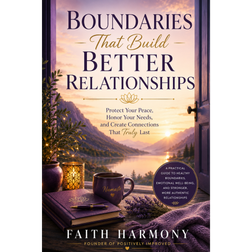
In this final episode of PI Reading for Growth, we bring our journey through Boundaries That Build Better Relationships to a thoughtful and meaningful close. Throughout this series, we've explored the importance of protecting our time, energy, and emotional well-being. Now we discover that healthy boundaries are about far more than saying "no"; they are about creating a life that reflects who we truly are. This episode explores the transition from simply maintaining boundaries to allowing them to shape your identity, your purpose, and your future. You'll learn how boundaries evolve from a form of self-protection into a compass that guides your decisions, helping you move toward a life rooted in clarity, peace, and intention. We'll also examine how the way we live quietly teaches those around us. Whether in our families, workplaces, friendships, or communities, the example we set often speaks louder than our words. By living with compassion, consistency, and self-respect, we give others permission to build healthier lives of their own. Finally, we reflect on the journey we've taken together throughout this book and the lasting lessons that remain long after the final page has been turned. This episode is an invitation to continue choosing yourself with kindness, to protect your inner Sanctuary, and to remember that every healthy boundary is an act of love, for yourself and for those whose lives you touch. In This Episode Moving beyond protection into purposeful living Understanding your personal growth edge Using boundaries as a compass for life decisions Aligning your choices with your deepest values How healthy boundaries influence family, friends, and colleagues Leading through quiet example instead of explanation Reflecting on the complete journey of building healthier boundaries Carrying the Sanctuary with you into everyday life Key Takeaways Healthy boundaries become part of your identity through consistent practice. Every boundary is a vote for the life and person you are becoming. Small daily choices create extraordinary long-term transformation. Living with integrity often teaches others more than words ever can. Your inner Sanctuary is always available; you simply need to return to it. Boundaries are not barriers to love; they are what make love sustainable. Personal growth is a lifelong journey built one thoughtful decision at a time. Reflection Questions What values do your current boundaries protect? Where in your life are you saying yes out of obligation instead of alignment? What is one small boundary you can strengthen this week? How might your own healthy boundaries positively influence someone you love? What does living from your Sanctuary look like in your daily life? If this series has encouraged you to approach your relationships with greater clarity, compassion, and courage, consider sharing it with someone who may be walking a similar path. Thank you for joining us for Boundaries That Build Better Relationships on PI Reading for Growth. We hope these conversations continue to inspire reflection, healthier relationships, and lasting personal growth long after this series has ended. Namaste.

Episode thirteen - When Boundaries Bend: Recovering with Compassion and Building Lasting Change

AI
Setting healthy boundaries is rarely a straight path. Even after we've learned to protect our time, energy, and emotional well-being, life has a way of testing our progress. In this episode of PI Reading for Growth, we explore what happens when boundaries bend under pressure, and why those moments are not signs of failure but opportunities for deeper growth. Together, we'll discover how urgency, guilt, exhaustion, and old habits can quietly pull us back into patterns of over-giving. More importantly, we'll learn practical ways to repair those moments with honesty, self-compassion, and renewed intention rather than shame or self-criticism. This episode also explores how lasting boundaries are strengthened through supportive relationships, thoughtful environments, and consistent practice. As boundaries become less about defending ourselves and more about honoring who we are, they begin to transform from something we do into someone we become. You'll see how living from your inner Sanctuary creates greater peace, healthier relationships, and a life guided by values instead of obligation. Whether you're just beginning your boundary journey or working to maintain the progress you've already made, this episode offers practical wisdom and compassionate encouragement to help you continue moving forward—one thoughtful choice at a time. In This Episode Understanding the most common boundary collapse points Why setbacks are a normal part of personal growth How to repair broken boundaries without shame The importance of self-compassion after a boundary slip Building a support circle that strengthens your boundaries Moving from boundary-setting to boundary-being Creating a new normal rooted in peace, clarity, and self-respect Learning to trust yourself through consistent, compassionate practice Key Takeaways Progress is measured by how gently you return after setbacks, not by never making mistakes. Healthy boundaries protect your values, not just your schedule. Repair conversations strengthen trust with yourself and with others. Self-compassion creates the emotional safety needed for lasting change. A strong support system makes healthy boundaries easier to maintain. Over time, boundaries become part of your identity rather than something you constantly have to think about. Small, consistent choices create lasting transformation. If this episode encouraged or inspired you, consider sharing it with someone who may be learning to build healthier boundaries in their own life. Thank you for listening to PI Reading for Growth. If you're enjoying this series, please consider following the podcast and sharing it with others who are on their own journey of personal growth and emotional well-being. Namaste.

Episode Twelve - The Daily Check-In

AI
Healthy boundaries are not built through one big decision; they're maintained through small moments of awareness every day. In this episode of PI Reading for Growth, we explore The Daily Check-In, a simple five-minute practice designed to help you recognize when your boundaries are being honored, where your energy is being depleted, and what small adjustment can strengthen your emotional well-being tomorrow. Boundary erosion rarely happens overnight. It often begins with seemingly insignificant compromises—a guilt-driven yes, an extra responsibility, or another interruption that quietly chips away at your time, energy, and peace of mind. By developing a daily habit of reflection, you can identify these patterns before they lead to resentment, exhaustion, or burnout. Together, we'll discuss the three powerful questions that form the foundation of the Daily Check-In, why resentment is often a valuable signal rather than something to ignore, and how consistent self-awareness strengthens both self-trust and what we call your "boundary reflex," the ability to recognize and respond to boundary violations before they become overwhelming. This chapter reminds us that healthy boundaries are not about becoming rigid or saying no to everyone. They're about creating a sustainable life where compassion for others is balanced with compassion for yourself. Small, intentional choices made consistently can lead to lasting emotional resilience, greater clarity, and stronger relationships. In This Episode Why boundaries slowly erode through everyday compromises The importance of daily self-awareness The three questions of the Daily Check-In How resentment can reveal unmet needs Building self-trust through consistent reflection Developing a healthy boundary reflex Taking one small, actionable step each day toward healthier boundaries If this episode encouraged you to pause and reconnect with yourself, consider subscribing to PI Reading for Growth and sharing this episode with someone who may also be learning to protect their time, energy, and emotional well-being. Visit Positively Improved for more articles, podcasts, and personal development resources designed to help you cultivate self-awareness, emotional resilience, and lasting inner peace. Until next time, continue learning, continue growing, continue reflecting, and continue becoming positively improved. Namaste.
7 of 13