P.I. Readings for Growth

P.I. Readings for Growth

by Faith Harmony

Protecting Your Peace - Episode Twelve

AI
In this episode of PI Reading for Growth, we continue our journey through Protect Your Peace: Boundaries, Self-Worth, and Letting Go of What Drains You by exploring the fifth movement of the 5R Method: Renew. Renewal represents an important shift in personal growth. Healing often begins by looking backward—understanding our patterns, questioning limiting beliefs, restoring depleted emotional energy, and learning healthier ways of responding to life. But eventually, another question deserves our attention: Now that I understand myself more clearly, what kind of life do I actually want to create? Renewal invites us to move beyond simply recovering from what has happened and begin intentionally shaping what comes next. In this episode, we explore what it means to design a life according to our own values rather than definitions of success we may have inherited from other people, culture, comparison, or expectation. We consider whether the way we spend our time and energy genuinely reflects what we say matters most to us. We also examine the difference between living from pressure and living from purpose. Purpose does not always require one extraordinary calling or grand mission. Sometimes purpose is expressed quietly through the way we love, create, serve, teach, contribute, connect, and live according to our values. The conversation then turns toward confidence and self-trust. Genuine confidence is not the belief that we will always make the right decision. It is the growing trust that even when life becomes uncertain—or when we make a mistake—we can respond, learn, adjust, and choose again. Finally, we explore the person we are becoming. Renewal reminds us that our future selves are not created someday through one dramatic transformation. We practice becoming them now through ordinary decisions: one boundary, one honest conversation, one moment of rest, one courageous choice, and one decision to begin again. The 5R Method ultimately becomes more than a sequence we complete once. It becomes a rhythm we can return to throughout our lives: Recognize. Rebalance. Reframe. Regenerate. Renew. Key Takeaway Renewal is not about becoming an entirely different person. It is about intentionally practicing the person you are becoming. We do not need to wait until we are completely healed, perfectly confident, or certain about the future before creating a life that reflects our values. The future is being shaped now. Every time we honor a boundary, choose rest before exhaustion, speak honestly, question an outdated belief, trust our judgment, protect what matters, or begin again after a mistake, we participate in our own renewal. And when life inevitably changes, the 5R Method gives us a path back: Recognize what is true. Rebalance what has moved out of alignment. Reframe what no longer reflects reality. Regenerate what has become depleted. Renew your commitment to the person you are becoming. Protecting your peace is not about building a life that can never disturb you. It is about building a relationship with yourself strong enough to help you find your way home whenever life does. Thank you for listening to PI Reading for Growth and for continuing to invest in your personal growth. Continue learning. Continue growing. Continue reflecting. Continue becoming positively improved. Namaste.
Protecting Your Peace - Episode Eleven

Episode 10: Reframe — Changing the Stories That Shape Your Life In this episode of PI Reading for Growth, we continue our journey through Protect Your Peace: Boundaries, Self-Worth, and Letting Go of What Drains You by exploring the third movement of the 5R Method: Reframe. We do not simply experience what happens in our lives. We interpret it. Every disappointment, relationship, success, failure, and difficult conversation passes through an internal lens shaped by our experiences and the beliefs we have developed along the way. Sometimes those beliefs serve us well. At other times, conclusions formed years ago continue influencing our adult lives long after we have gained the wisdom necessary to reconsider them. In this episode, we explore how limiting beliefs quietly shape our choices, relationships, boundaries, and sense of possibility. We examine the importance of questioning beliefs that have become so familiar that they feel like facts and consider one powerful question: What if the story I have believed about myself is not the only possible story? We also explore the internal dialogue that continually reinforces those beliefs. Reframing is not about replacing every difficult thought with unrealistic positivity. It is about learning to speak truthfully to ourselves without becoming unnecessarily harsh. We can acknowledge mistakes without turning them into identities. We can accept accountability without using self-punishment as proof that we care. The conversation then turns toward guilt and the important distinction between healthy responsibility and misplaced guilt. Someone else's disappointment does not automatically mean we have done something wrong. Someone can disagree with our choices without making those choices unhealthy. We can care about another person's feelings without becoming responsible for managing every emotional response they have to our boundaries. Finally, we explore the power of perspective. Reframing does not erase painful experiences or ask us to pretend that every hardship contains an immediate blessing. Instead, it allows us to recognize that our first interpretation is not always the complete story. We are living chapters, not entire stories. A rejection does not determine our worth. A mistake does not become our identity. A difficult season does not automatically predict our future. We may not always control what happens to us, but we can become wiser about the meaning we choose to carry forward. Key Takeaway Reframing is not pretending that life is different. It is learning to see life more completely. We can acknowledge pain without allowing it to define our identity. We can accept responsibility without carrying burdens that do not belong to us. And we can question the stories that once limited us without denying the experiences that created them. Sometimes protecting our peace requires changing our circumstances. Sometimes it requires establishing a boundary. And sometimes it requires changing the conversation taking place within our own minds. Continue listening to PI Reading for Growth as we move into the fourth stage of the 5R Method: Regenerate, where we explore how to rebuild emotional energy, develop restorative daily habits, practice self-care without guilt, and strengthen emotional resilience. Thank you for listening and for continuing to invest in your personal growth. Continue learning. Continue growing. Continue reflecting. Continue becoming positively improved. Namaste.
Protecting Your Peace - Episode Ten

AI
In this episode of PI Reading for Growth, we continue our journey through Protect Your Peace: Boundaries, Self-Worth, and Letting Go of What Drains You by exploring the second movement of the 5R Method: Rebalance. Knowing what is healthy does not always mean we can choose it easily in emotionally intense moments. Sometimes our minds understand that we are safe while our bodies are still responding to an old fear, painful experience, or familiar emotional pattern. Rebalancing invites us to create the internal stability necessary to respond with greater clarity rather than allowing fear, exhaustion, guilt, or emotional urgency to make our decisions for us. In this episode, we explore the connection between the nervous system and emotional reactions, why insight alone does not always change behavior, and how simple practices such as breathing, rest, quiet reflection, prayer, meditation, movement, and intentional pauses can help us return to a calmer internal state. We also examine the important difference between reacting and responding. Emotional maturity does not require us to eliminate our initial reactions. Instead, we can learn to create enough space between what we feel and what we do to allow our values to influence our choices. The episode then explores emotional regulation and one of its most important lessons: our emotions contain valuable information, but they are not always instructions. We can acknowledge fear without automatically assuming we are unsafe. We can experience discouragement without deciding we are defeated. We can feel anger without allowing anger to determine our behavior. Finally, we explore what it means to return to center. Balance is not a permanent destination where life can no longer disturb us. Life will change. Relationships will evolve. Difficult seasons will come. Protecting our peace means developing the ability to recognize when we have drifted and learning how to gently find our way back. In This Episode, You’ll Explore: How the nervous system influences emotional reactions Why knowing better does not always mean immediately doing better The difference between reacting and responding How to create space between emotion and action What emotional regulation actually means Why emotions are information rather than automatic instructions How exhaustion can distort our perspective The relationship between self-compassion and emotional balance Why returning to center matters more than remaining perfectly balanced How rebalancing strengthens self-trust Practical ways to protect and restore your inner peace Key Takeaway Balance was never about never being disturbed. Rebalance is learning that when life moves you away from your center, you possess the awareness, compassion, and self-trust necessary to find your way back. Continue listening to PI Reading for Growth as we move into the next stage of the 5R Method: Reframe, where we begin examining the beliefs, perspectives, and stories that influence how we interpret ourselves, other people, and the experiences of our lives. Thank you for listening and for continuing to invest in your personal growth. Continue learning. Continue growing. Continue reflecting. Continue becoming positively improved. Namaste.
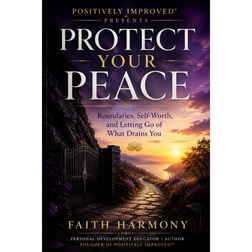
Protecting Your Peace - Episode Nine

AI
Before we can change a pattern, establish a healthier boundary, or protect our peace more intentionally, we first have to see what is actually happening. In Episode 8 of Protect Your Peace: Boundaries, Self-Worth, and Letting Go of What Drains You, Faith Harmony introduces Recognize, the first step of the Positively Improved 5R Method. Recognition is not about criticizing ourselves or immediately trying to fix everything we discover. It is about developing enough awareness to notice the emotional triggers, relationships, beliefs, behaviors, and recurring patterns that may be quietly shaping our lives. Through the experiences of Sarah, Daniel, and Emily, this episode explores how present-day reactions can be connected to older beliefs, how caring for others can gradually become emotional over-responsibility, and how seemingly unrelated experiences can reveal a pattern when we finally step back far enough to see it. The 5R Journey Continues Recognize asks: What is happening? The next step, Rebalance, asks: What needs to change so I can live differently? That is where awareness begins moving into practical adjustment—how we distribute our time, energy, responsibilities, attention, and emotional resources so that our lives become more aligned with what we value. About PI Reading for Growth PI Reading for Growth transforms Positively Improved books into reflective podcast experiences designed to support self-awareness, emotional resilience, personal growth, and practical transformation. Continue your journey with Protect Your Peace: Boundaries, Self-Worth, and Letting Go of What Drains You as we move through the 5R Method and turn awareness into meaningful, sustainable change. Presented by Positively Improved™ Continue learning. Continue growing. Continue reflecting. Continue becoming positively improved. Namaste.
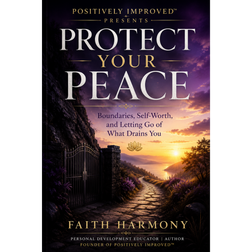
Protecting Your Peace - Episode Eight

AI
In this episode of PI Reading for Growth, we continue our journey through Protect Your Peace: Boundaries, Self-Worth, and Letting Go of What Drains You by beginning the first step of the 5R Method: Recognize. Meaningful change begins with awareness. Before we can establish healthier boundaries, change recurring patterns, restore emotional balance, or protect our peace, we must first become willing to see clearly what is happening within us. In this episode, we explore how emotional triggers can become valuable sources of information rather than experiences we simply criticize or try to eliminate. Sometimes a present situation creates a powerful reaction because it has touched an older belief, fear, expectation, or wound. Recognition invites us to pause and ask a deeper question: What is really happening here? We also examine emotionally draining relationships and the important difference between supporting someone and slowly abandoning ourselves. Healthy relationships may require effort, patience, compromise, and sacrifice at times, but they should still allow both people to remain whole. Recognition helps us notice when compassion has quietly become emotional caretaking, when generosity has become self-neglect, or when we have assumed responsibility for problems that were never ours to solve. The episode then explores the hidden patterns that can follow us through different relationships and seasons of life. The names and circumstances may change while the emotional experience remains remarkably familiar. By stepping back and looking at the larger picture, we may discover that what seemed like several unrelated struggles is actually one recurring pattern asking for our attention. Finally, we explore awareness as an ongoing practice rather than a single breakthrough. Growth is not about becoming perfectly self-aware or eliminating every difficult reaction. It is about learning to notice ourselves sooner—with honesty, curiosity, and compassion—so that unconscious patterns gradually become conscious choices. Key Takeaway Awareness interrupts repetition. That interruption creates choice. And choice creates freedom. Recognize does not ask us to solve everything we discover immediately. It asks us to see clearly enough that the patterns shaping our lives can no longer operate entirely unnoticed. We can understand why a pattern developed without allowing it to determine our future. We can acknowledge another person's behavior while also examining our own responses. And we can recognize where our peace is being depleted without turning that recognition into blame or shame. Protecting our peace begins with seeing what is happening clearly. Continue listening to PI Reading for Growth as we move into the next stage of the 5R Method: Rebalance, where we explore calming the nervous system, responding instead of reacting, regulating emotions, and learning how to return to our center when life pulls us away from it. Thank you for listening and for continuing to invest in your personal growth. Continue learning. Continue growing. Continue reflecting. Continue becoming positively improved. Namaste.
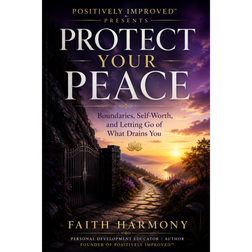
Protecting Your Peace - Episode Seven

AI
What if peace is not something waiting for you after life becomes easier, but something you can begin choosing while life is still happening? In Episode 7 of Protect Your Peace: Boundaries, Self-Worth, and Letting Go of What Drains You, Faith Harmony explores what it means to stop treating peace as a future reward and begin making it part of everyday life. Through Marcus's journey, we examine how easily responsibility, productivity, expectations, and constant urgency can consume our attention. A person can appear successful, dependable, and capable while quietly moving through life without ever feeling fully present. This episode invites us to consider a different possibility: peace does not require a perfect life. It requires greater clarity about what matters, what belongs to us, what we are ready to release, and how we want to respond to the life already in front of us. About PI Reading for Growth PI Reading for Growth transforms Positively Improved books into reflective podcast experiences designed to support self-awareness, emotional resilience, personal growth, and practical transformation. Continue your journey with Protect Your Peace: Boundaries, Self-Worth, and Letting Go of What Drains You as we continue exploring what deserves our energy, what we may be ready to release, and how we can create greater peace without waiting for life to become perfect. Presented by Positively Improved™ Continue learning. Continue growing. Continue reflecting. Continue becoming positively improved. Namaste.
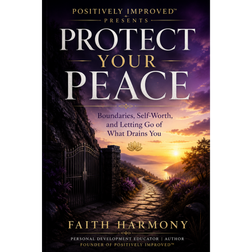
Protecting Your Peace - Episode Six

AI
What if boundaries are not barriers to love, but one of the ways we protect our ability to love well? In Episode 6 of Protect Your Peace: Boundaries, Self-Worth, and Letting Go of What Drains You, Faith Harmony explores one of the most misunderstood parts of personal growth: the purpose of healthy boundaries. For people who have spent years being dependable, accommodating, generous, and available, setting limits can initially feel selfish. We may worry that saying no means we care less, that protecting our time will push people away, or that disappointing someone means we have failed them. But healthy boundaries are not about becoming cold or unavailable. They create clarity around what we can genuinely give while protecting the emotional resources that allow our generosity to remain sustainable. Through the stories of Emily, Michael, Olivia, and Rebecca, this episode explores how boundaries can reduce resentment, improve communication, create greater mutuality, and allow relationships to become more honest. About PI Reading for Growth PI Reading for Growth transforms Positively Improved books into reflective podcast experiences designed to support self-awareness, emotional resilience, personal growth, and practical transformation. Continue your journey with Protect Your Peace: Boundaries, Self-Worth, and Letting Go of What Drains You as we move from understanding why boundaries matter into recognizing the commitments, relationships, habits, and expectations that may be quietly consuming our emotional energy. Presented by Positively Improved™ Continue learning. Continue growing. Continue reflecting. Continue becoming positively improved. Namaste.
protecting your peace - Episode Five

AI
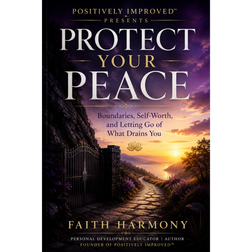
What happens when your sense of worth depends on achievement, approval, productivity, or being needed? In Episode 5 of Protect Your Peace: Boundaries, Self-Worth, and Letting Go of What Drains You, Faith Harmony explores one of the foundations beneath healthy boundaries: learning to recognize your value without requiring the outside world to continually prove it to you. Through the stories of Nathan, Michelle, and Hannah, this episode examines how easily self-worth can become connected to recognition, accomplishment, usefulness, and other people's opinions. We explore why external validation can feel reassuring without ever creating lasting security—and why achievement, no matter how meaningful, cannot permanently answer the question of whether we are enough. Most importantly, this episode moves self-worth beyond an idea and into everyday life. Valuing yourself means allowing that value to influence how you use your time, how you respond to failure, what treatment you accept, how you speak to yourself, and what you choose to protect. In This Episode We explore: The difference between internal and external validation Why appreciation is healthy but dependence on approval can become exhausting How recognition can become connected to identity Why achievement provides temporary satisfaction but cannot create lasting worth The difference between experiencing failure and identifying yourself as a failure How to treat criticism as information rather than a verdict Why confidence and self-worth are not the same thing How self-worth becomes visible through everyday choices Why keeping promises to yourself helps build self-trust The difference between temporary sacrifice and permanent self-abandonment Why character provides a stronger foundation than reputation How boundaries become expressions of value rather than acts of selfishness Why being capable of carrying something does not mean you must carry it How self-respect allows generosity and personal well-being to coexist Why protecting your peace begins with believing your inner life is worth protecting Reflection for This Episode Consider these questions: About PI Reading for Growth PI Reading for Growth transforms Positively Improved books into reflective podcast experiences designed to support self-awareness, emotional resilience, personal growth, and practical transformation. Continue your journey with Protect Your Peace: Boundaries, Self-Worth, and Letting Go of What Drains You as we move from understanding our worth into the practical work of recognizing where healthier boundaries may be needed. Presented by Positively Improved™ Continue learning. Continue growing. Continue reflecting. Continue becoming positively improved. Namaste.
Protecting Your Peace - Episode Four

AI
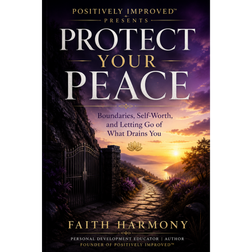
And it allows you to discover something that approval-seeking may have hidden from you for years. You were never required to earn the right to exist comfortably in your own life. You do not need to prove your goodness through exhaustion. You do not need to demonstrate your love through endless sacrifice. You do not need unanimous approval before trusting your own judgment. You are allowed to become someone whose compassion includes themselves. As we close this episode, I want to invite you to reflect on three questions. Where in my life am I seeking approval rather than living authentically? Where am I saying yes primarily because I am afraid of guilt or disappointment? And what would my own voice say if I gave it permission to speak? You do not need perfect answers. Simply notice what comes forward. Perhaps there is one relationship where your needs rarely enter the conversation. Perhaps there is one responsibility you continue carrying because you are afraid of what someone will think if you put it down. Perhaps there is one preference you have been minimizing. One boundary you know you need. One truth you have been afraid to express. Start there. Not with confrontation. Not with anger. Not with a dramatic declaration. With honesty. Maybe your first boundary is simply: “Let me think about it.” Maybe your first act of authenticity is choosing the restaurant. Maybe it is declining an invitation because you need rest. Maybe it is telling someone you disagree. Maybe it is asking for help. Maybe it is allowing yourself to say: “This is what I need.” Small moments matter. Because every time you honor your voice, you strengthen your relationship with yourself. And the stronger that relationship becomes, the less desperately you need external approval to tell you who you are. That is how we begin escaping the good person trap. Not by becoming less good. But by developing a healthier understanding of goodness. A goodness that contains wisdom. Discernment. Honesty. Boundaries. Compassion. And self-respect. You can be generous without being endlessly available. You can be compassionate without being controlled by guilt. You can care deeply without taking responsibility for every emotional reaction around you. You can disappoint someone and still be a good person. You can say no and still be loving. And you can protect your peace without closing your heart. In fact, protecting your peace may be one of the things that allows your heart to remain open without continually being depleted. Thank you for joining me for this episode of PI Reading for Growth. And thank you for being part of this journey through Protect Your Peace: Boundaries, Self-Worth, and Letting Go of What Drains You. I appreciate the time you have invested in exploring these ideas, reflecting on your experiences, and committing to your own growth. On behalf of Myself, Faith Harmony, and the entire Positively Improved team, thank you for allowing us to share this journey with you. Until our paths cross again, continue learning, continue growing, continue reflecting, and continue becoming positively improved. Namaste

Protecting Your Peace - Episode Three

AI
Episode 3: When Peace Slowly Disappears Peace does not always disappear because of one major crisis. Sometimes it fades quietly beneath responsibilities, expectations, chronic busyness, emotional exhaustion, and the constant feeling that there is always something else that needs your attention. In Episode 3 of Protect Your Peace: Boundaries, Self-Worth, and Letting Go of What Drains You, Faith Harmony explores what happens when a life that appears successful and meaningful on the outside gradually becomes exhausting on the inside. Through Melissa’s story, we examine the subtle progression of emotional depletion. She is accomplished, dependable, compassionate, and deeply committed to the people she serves. Yet beneath everything she manages successfully, her ability to experience rest, joy, presence, and emotional renewal is slowly disappearing. This episode challenges an important cultural assumption: busyness and fulfillment are not the same thing. A full calendar can coexist with an empty emotional reserve. Likewise, a meaningful life can include responsibility while still protecting the spaces necessary for recovery. We also explore what happens when chronic pressure moves beyond our schedules and begins affecting our minds and bodies. When the nervous system becomes accustomed to constant urgency, rest may feel uncomfortable, ordinary decisions can become exhausting, and even peaceful moments may be interrupted by thoughts about what needs to happen next. Protecting your peace, then, becomes more than simply reducing your schedule. It requires examining what you believe you must carry—and whether every burden you have accepted actually belongs to you. In This Episode We explore: How emotional exhaustion develops gradually Why functioning well does not necessarily mean you are thriving The difference between busyness and fulfillment Why emotional margins are necessary for a sustainable life How chronic stress can make ordinary responsibilities feel urgent Why the mind may struggle to rest even when the body stops The relationship between prolonged emotional strain and physical well-being Why physical symptoms deserve both appropriate care and thoughtful attention How constant productivity can prevent us from hearing our own needs Why peace is more than an emotional feeling How responsibility can exist without continually sacrificing well-being Why being capable of carrying something does not make it yours to carry How healthy boundaries can strengthen our capacity to love and give Why rest does not need to be earned How small, intentional choices can begin restoring peace About PI Reading for Growth PI Reading for Growth transforms Positively Improved books into reflective podcast experiences designed to encourage self-awareness, emotional resilience, personal growth, and practical transformation. Continue your journey with Protect Your Peace: Boundaries, Self-Worth, and Letting Go of What Drains You as we move next into one of the beliefs that can make boundaries so difficult: the belief that our value must continually be earned. Presented by Positively Improved™ Continue learning. Continue growing. Continue reflecting. Continue becoming positively improved. Namaste.
5 of 13