Opioid Crisis Hidden Truths

Opioid Crisis Hidden Truths

by Douglas Smith
Season 1

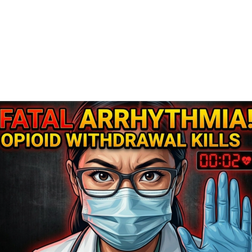
Proving the saying "opioid withdrawal won't kill you" WRONG!

Psychiatrists claim opioid withdrawal is harmless, despite research showing fatalities from withdrawal symptoms causing electrolyte imbalances which caused adrenaline toxicity, and lead to heart failure. The opioid crisis, involving the CDC and DEA, is fueled by flawed studies, lazy law enforcement, and misguided guidelines. Neuroscience advances addiction understanding, but poor research hinders progress. Recognizing addiction patterns and applying solutions combats the epidemic. Evidence points to profit over people, but change is possible by addressing root causes. DSM guidelines and federal protocols need revision, with accountability essential. The high mortality rate demands urgent action to bypass bureaucracy and find solutions.

5% mortality rate covered up in the Rapid Opioid Detoxification Study and the FDA Approved it!

They tried really hard to hide the fact that 1 out of 20 patients died during this Rapid Opioid Detoxification during General Anesthesia by Dr. Carl Gold and the FDA approved it even though 1 of 20 patients die. The Rapid Opioid Detoxification Study has a 5% mortality rate, yet the FDA approved it. The opioid crisis is a major concern, with agencies like the CDC and DEA crucial but often hindered. Neuroscience research advances understanding of addiction, but detox isn't simple. Fentanyl use leads to overdoses reversed by Narcan. Misguided guidelines fuel the crisis. Recognizing addiction patterns and applying solutions can combat opioid addiction. Evidence suggests a system prioritizing profits over people, but change is possible. Addressing root causes is key to tackling the opioid epidemic. DSM guidelines and federal protocols need revision, and accountability is essential. The mortality rate from opioid addiction demands urgent action to bypass bureaucracy and find solutions.

The Shocking Reason Germany Avoided America's Opioid Epidemic

Germany avoided America's opioid epidemic by focusing on replicable research studies, not lazy one non-reproducible study. Their approach emphasizes pattern recognition in health and neuroscience. While the US grapples with overdose deaths, Germany's success isn't due to inaction. Examining federal agents and Narcan shows a multi-faceted approach is needed to address opioid addiction myths. The 2nd law of thermodynamics can help understand addiction patterns. Understanding addiction neuroscience, including adrenaline's role, is crucial. An ombudsman informs the public about opioid dangers. By understanding opioid receptors and narcotics' brain impact, we can lower mortality rates. The key is recognizing addiction patterns and implementing effective solutions, not relying on single agents or bureaucracy.

Ask the Right Questions: FDA Ombudsman and the Future of the OPIOID CRISIS

The opioid crisis deeply impacts the US with rising overdose deaths fueled by fentanyl. We are tasked by the FDA with finding solutions to move past this OPIOID CRISIS!, and the FDA ombudsman plays a crucial, overlooked role. Examining opioid addiction science, brain models, and receptors can lead to solutions. Current guidelines may be insufficient, requiring bypassing bureaucracy for change. Observing near-death experiences and naloxone highlights the crisis's gravity. Rethinking our approach, with the FDA ombudsman key, combining law enforcement, neuroscience, and public health can create a future free from this crisis. Adrenaline and depression linked to addiction need a holistic approach using the latest science. FDA and CDC guidelines can form a framework for a new paradigm. The crisis's future depends on asking pertinent questions and seeking innovative solutions, with the FDA ombudsman integral.

Ask the Right Questions: Can Adrenaline Change Human Behavior?

Can adrenaline change behavior in addiction science and the opioid crisis? The CDC and DEA show the drug crisis's impact, with fentanyl and narcotics causing soaring deaths. Addiction, per the DSM, affects brain opioid receptors, causing opiate addiction and depression. Examining law enforcement guidelines can reveal ways to bypass traditional crisis methods. Narcan reverses lethal opioid doses, but root causes need addressing. Pattern recognition and neuroscience can change behavior and improve public health. The opioid crisis needs a comprehensive approach, using research and guidelines. Asking the right questions helps understand the drug overdose epidemic and reduce deaths.

Ask the Right Questions: Is the 'Brain Model of addiction' a lie?

Is the brain model of addiction fact or fiction? We explore neuroscience, opioid receptors, and the opioid crisis. Examining CDC/DEA guidelines, law enforcement's role, and DSM rules, we question if they explain opioid addiction. We'll look at fentanyl, Narcan, and the idea that the brain model is a myth. Join us to understand addiction, the opioid crisis, and public health's challenges.

Pattern Recognition In the DSM and The Opioid Crisis

This video explores pattern recognition in the DSM and its impact on the opioid crisis. We examine the CDC and DEA's efforts, the challenges of bureaucracy, and the science of addiction, including opioid receptors, fentanyl's dangers, and soaring mortality rates. CDC guidelines are vital, but a nuanced approach using pattern recognition and addiction science is needed to overcome red tape. Understanding addiction neuroscience and narcotics' role can lead to effective solutions. While Narcan saves lives, we must address root causes. The 2nd law of thermodynamics offers insights. Combining DSM knowledge with pattern recognition can create better strategies to combat the opioid crisis and reduce overdose deaths.

FDA and DEA Opioid Crisis Defenses Under Fire: A Review

The opioid crisis: a public health concern with rising overdose deaths. This video explores addiction science, the role of Government Rules, and the impact law enforcement had. We'll discuss Narcan, treatments, and addiction's root causes like depression and PTSD. We'll examine criticisms of bureaucracy, CDC guidelines, and the history of opioid use, including the opium wars. Understanding fentanyl's lethality and neuroscience is key to combating this epidemic and supporting those affected.

BARRIERS BREACHED: #3 The FDA Standard of Care Prescribing Info

We explore how the FDA prescribing standard wasn't researched, hindering efforts against the opioid crisis. This video examines barriers to DEA quotas, FDA standards, their impact on addiction treatment, and the role of law enforcement in the fentanyl crisis. We discuss neuroscience and addiction science, the devastating impact on communities, and the importance of Narcan. Understanding DEA quotas and FDA standards is key to a more effective system. The US military and veterans are also affected. By adapting quotas, we can better address addiction and public health.

BARRIERS BREACHED: DEA Annual Production Quotas

The US drug crisis sees rising overdose deaths. We explore how DEA annual production quotas, often too lax, hinder efforts against the opioid crisis. This video examines barriers to DEA quotas, their impact on addiction treatment, and the role of law enforcement in the fentanyl crisis. We discuss neuroscience and addiction science, the devastating impact on communities, and the importance of Narcan. Understanding DEA quotas is key to a more effective system. The US military and veterans are also affected. By adapting quotas, we can better address addiction and public health.
2 of 6