Moneyball - The Business of Sport

Moneyball - The Business of Sport

by Scott Keenan | Sports Business Commentator & Brand Strategist
What PNG Really Buys With Tax-Free Dollars
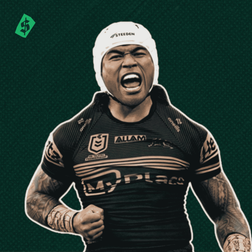
Brian To’o is going to the PNG Chiefs — and his signing is bringing the real value of PNG’s tax-free recruitment concessions into sharp focus. The Chiefs will enter the NRL in 2028 under the same salary-cap system as every other club. But eligible players and staff will be able to earn their employment income tax-free under arrangements involving the Australian and Papua New Guinean governments. So what does that actually mean in practice? Fox League estimates Brian To’o’s Chiefs contract at around $600,000 a season tax-free. Under current Australian tax rates, an Australian club would need to pay a player roughly $1.07 million before tax to generate similar take-home income. Zoom out across an entire roster and the difference in purchasing power becomes even more significant. Using the NRL’s last published Top 30 salary cap of $12.1 million, Scott runs a simplified thought experiment showing that an Australian club could need almost $21 million in gross salaries to generate similar total take-home income if PNG’s cap were divided evenly across 30 tax-free players. PNG does not literally have a $21 million salary cap. But the comparison helps explain why saying “the salary cap is the same” doesn’t tell the whole story. And there could be an even bigger consequence for the NRL player market: PNG doesn’t have to sign your player to affect what your club pays him. Scott explores how tax-free Chiefs offers could give players greater negotiating leverage, potentially forcing rival clubs to spend more of their own salary caps simply to retain their stars. With Jarome Luai, Zac Lomax, Brian To’o, Connor Watson, Matty Lees and Alex Johnston already signed, we’re beginning to see what PNG’s tax concessions can buy in the real world. Moneyball explores the intersection of sport, money, media and culture, hosted by Scott Keenan. YouTube & Instagram: @askmoneyball_show Contact: askmoneyball.show@gmail.com
How The Bye Round Landed A Show On Disney+
How does an independent sports podcast become a media company? Charlie White and former NRL player James Graham started The Bye Round as an independent rugby league podcast. Today, it has grown into an independent sports media business producing ESPN League Central for Disney+. In this episode of Moneyball: The Business of Sport, Charlie joins Scott Keenan to explain how the opportunity came about, what ESPN was really looking for, how the business has grown from a passion project into a company with employees, sponsors and multiple revenue streams, and why the relationship between broadcasters and creators is changing so quickly. It's a conversation about entrepreneurship, sport, media and what happens when a side project grows into a serious business. Topics covered The story behind ESPN League Central Producing a weekly television show for Disney+ How Charlie White and James Graham built The Bye Round Growing a podcast into an independent sports media business Hiring staff and scaling a creator business Sponsorship and creator-led media Why broadcasters are partnering with creators The future of sports media Moneyball is hosted by Scott Keenan and explores the intersection of sport, money, media and culture through conversations with the people making the biggest decisions in sport. 📩 Business enquiries: askmoneyball.show@gmail.com
Why It's Cool To Support The New Zealand Warriors
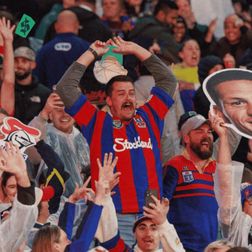
The Warriors are becoming one of the most commercially interesting clubs in world sport. And it's becoming cool to follow them as well. At NRL Magic Round, Warriors fans transformed Brisbane into a home away from home, while the club's pop-up store generated more than half a million dollars in sales. But the bigger story isn't merchandise—it's culture, identity and the way the Warriors are building one of rugby league's most powerful brands. Scott Keenan is joined by sports marketing academic Dr Sarah Wymer to explore why the Warriors have become such a cultural phenomenon, what makes their commercial strategy different, and what every sporting organisation can learn from their approach to fan engagement. In this episode Why the Warriors are becoming one of the hottest clubs in sport The commercial strategy behind Magic Round The power of Kiwi identity and diaspora communities Sponsorship, Dreamworld and fan engagement Social media, belonging and the "Wahs Effect" Rugby league's cultural momentum in New Zealand Whether a second New Zealand NRL team is the next step About Dr Sarah Wymer Dr Sarah Wymer is a Senior Lecturer in Sport Leadership & Management at Auckland University of Technology, specialising in sports marketing, fan engagement, digital strategy and commercial partnerships. About Moneyball Moneyball is an Australian sports business podcast hosted by sports business commentator Scott Keenan, exploring the intersection of sport, money, media and culture. Through interviews, analysis and original commentary, Moneyball goes behind the biggest stories in sport to explain the business shaping what fans see on the field. Follow Moneyball YouTube: https://www.youtube.com/@moneyball_show Instagram: @moneyball_show Contact the show 📧 askmoneyball.show@gmail.com Questions, guest ideas, sponsorship enquiries and media opportunities are always welcome. If you want to know what's really going on in sport... you've gotta follow the money.
Why Football Can't Replace David Beckham
David Beckham retired more than a decade ago—so why was he still one of the biggest commercial stars of the 2026 FIFA World Cup? That question reveals something much bigger than one footballer's career. In this episode of Moneyball, we explore why Beckham remains one of the most valuable commercial brands in world sport, how he reinvented himself after retirement, and why football is still searching for a player who can match his global appeal. From the infamous 1998 World Cup red card and his reinvention as a global celebrity, to co-founding Inter Miami and becoming one of football's most influential ambassadors, Beckham's career offers a masterclass in athlete branding. We also examine whether today's biggest stars—including Lamine Yamal, Jude Bellingham, Kylian Mbappé and Erling Haaland—have what it takes to become football's next truly global commercial icon. This episode explores the business of football, sports marketing, sponsorship, athlete branding, personal brands and the commercial forces shaping the world's biggest sport. About Moneyball Moneyball is an Australian sports business show exploring the intersection of sport, money, media and culture. Each week, host Scott Keenan speaks with the people shaping the business behind sport—from league executives and club CEOs to marketers, broadcasters, academics and athletes—to explain the deals, decisions and incentives that shape the games we love. Whether you're a sports industry professional or simply a fan who wants to understand how sport really works, Moneyball pulls back the curtain on the stories behind the biggest moments in sport. Because if you want to know what's really going on in sport... You've got to follow the money. Get in touch 📧 moneyball.show@gmail.com 📸 Instagram: @moneyball_show ▶️ YouTube: @moneyball_show
Can DAZN Make The NRL Deal Pay Off?
The NRL got its record media rights deal. But signing the contract was the easy part. Now DAZN has to make the economics work. Former DAZN executive Murray Barnett joins Moneyball – The Business of Sport to explain what happens after one of the biggest sports broadcasting agreements in Australian history is signed. How do you justify paying billions of dollars for one competition? Will Kayo Sports and Foxtel subscribers eventually pay more? Can DAZN grow the NRL internationally? And what does this deal mean for every other Australian sport competing for broadcast money, sponsors and audience attention? Scott Keenan and Murray unpack how DAZN approached its first major Australian rights negotiation after acquiring Foxtel, why retaining the NRL was strategically critical, and how global streaming companies recover the cost of billion-dollar sports rights. The conversation also explores what DAZN learned from France and other international markets, whether rugby league can become a genuine global property, what Formula One's growth can teach the NRL, and why the AFL, NBL, Super Netball, rugby union, Supercars and the A-Leagues will all be watching closely. About the guest Murray Barnett is the founder of 26West Sport, advising rights holders, broadcasters, brands and events on media rights strategy, sponsorship and commercialisation. He previously held senior leadership positions at DAZN, ESPN, Formula One, World Rugby and the Irish Football Association, and hosts The Bundle podcast on the Unofficial Partner network. About Moneyball Moneyball – The Business of Sport explores the intersection of sport, money, media and culture. Hosted by Australian sports business commentator Scott Keenan, the show takes fans behind the headlines to explain the commercial decisions shaping modern sport. New episodes feature interviews and analysis covering media rights, sponsorship, ownership, finance, strategy and the business behind the biggest stories in sport. 📩 Questions, guest suggestions or commercial enquiries: askmoneyball.show@gmail.com
Who Owns Greatness in Football?
A trademark fight between FIFA and the owners of the Ballon d'Or has opened up a much bigger question: who gets to define greatness in world football? FIFA is seeking trademark protection for FIFA GOLDEN BALL around the world, including in Australia, but the move has been challenged by the owners of the Ballon d'Or — football's most prestigious individual award. The complication? Ballon d'Or literally translates as Golden Ball. In this episode of Moneyball, Scott Keenan speaks with Alex Sutcliffe, Chartered Trade Mark Attorney at Reddie & Grose, about the dispute and what it reveals about power, prestige and money in modern football. Why does FIFA want stronger protection for the Golden Ball name now? What's the difference between the Ballon d'Or, FIFA Golden Ball and The Best FIFA Men's Player award? Could FIFA turn its Golden Ball into a major commercial property through streaming, broadcast rights and replica trophies? And could it ever rival the prestige of the Ballon d'Or? Alex also explains the potential legal threat to the Ballon d'Or, the wider rivalry between FIFA and European football, how the dispute could potentially drag on for years, and why the real prize may not be the trophy itself — but the authority to decide who gets remembered as one of football's greatest players. About Alex Sutcliffe Alex Sutcliffe is a Chartered Trade Mark Attorney at Reddie & Grose, specialising in intellectual property and trademark law. In this episode, he brings his legal expertise and perspective as a football fan to the FIFA Golden Ball trademark dispute and the broader commercial battle surrounding football's biggest individual awards. About Moneyball Moneyball is an Australian sports business podcast hosted by sports business commentator and brand strategist Scott Keenan. The show goes behind the deals, decisions and dynamics shaping modern sport, exploring the intersection of sport, money, media and culture. From the NRL, AFL, cricket, NBL and Super Netball to football, Formula 1 and the biggest stories in global sport, Moneyball explores media rights, player contracts and salaries, sponsorship deals, sports ownership, athlete brands, the creator economy and the future of the fan experience. You'll hear from the executives, athletes, journalists, broadcasters, marketers and industry insiders who understand how sport really works — and where it's heading next. Follow Moneyball YouTube: @moneyball_show Instagram: @moneyball_show Contact the show Questions, feedback or guest ideas? Email Scott directly at askmoneyball.show@gmail.com. Moneyball is made for sports insiders and fans who want to know what's really going on in the game. If you want to know what's really going on in sport, you've got to follow the money.
Player Power in Rugby League's Billion-Dollar Era
Exclusive: Rugby League Players Association CEO Clint Newton joins Moneyball to discuss player power, the NRL’s new $5 billion TV rights deal and who gets to shape rugby league’s billion-dollar future. This episode was recorded recently, but before the NRL announced the full details of its new TV deal with Nine Entertainment, DAZN and Sky Sport New Zealand. Clint Newton joins Scott Keenan for a wide-ranging conversation about what the NRL’s next era means for players, clubs and the future shape of the competition. They unpack how the NRL’s Total Player Payments Pool works, why the players’ share of distributable revenue is about much more than salaries, and where the game should invest as revenues rise — including player wellbeing, insurance, education, career transition and support after football. With the Perth Bears and PNG Chiefs joining the competition, Clint also discusses the challenges of NRL expansion, why Perth should receive additional support without compromising the salary cap, and what a future 20-team NRL competition could look like. The conversation also explores player IP, sponsorship restrictions and the commercial opportunities available to modern athletes. Clint argues that rugby league could grow significantly if clubs and the NRL gave players more freedom to build their profiles, brands and businesses. He also reflects on player influence, his relationship with ARLC chairman Peter V’landys, the importance of trust and respect in negotiations, and why the RLPA wants players to be treated as well when they leave the game as they are when they enter it. This is a conversation about NRL players, player power, the RLPA, the salary cap, the NRL media rights deal, Perth Bears recruitment, PNG expansion, player welfare, commercial freedom and who gets to shape rugby league’s future. Moneyball – The Business of Sport goes behind the deals, decisions and dynamics shaping the games we love, for sports insiders and fans who want to understand what is really going on. 🎙️ Guest: Clint Newton, CEO of the Rugby League Players Association 🎙️ Host: Scott Keenan 📩 Contact: askmoneyball.show@gmail.com 📸 Instagram: @moneyball_show
How the NRL Landed a $5 Billion TV Deal
Inside Story: How did the NRL land a record $5 billion TV rights deal with Nine and DAZN—and how serious was Amazon's rival bid? In this episode of Moneyball: The Business of Sport, host Scott Keenan sits down with Sam Buckingham-Jones, media and marketing reporter at the Australian Financial Review, to go behind the story of one of the biggest sports media negotiations Australia has ever seen. For months, Sam was one of the journalists leading coverage of the NRL media rights negotiations, following every twist and turn as Nine, DAZN, Amazon and other broadcasters considered the future of rugby league on television and streaming. The result was a record $5 billion NRL broadcast deal that surpassed the AFL's landmark $4.5 billion media rights agreement—yet ultimately kept the game's existing major broadcast partners in place. So how did we get here? Scott and Sam explore why the NRL, Nine and DAZN all had so much at stake; how serious Amazon's bid really was; whether the NRL could have accepted more money by splitting its rights; and how a negotiation in which broadcasters reportedly wanted everything ultimately ended with a familiar broadcast structure. They also discuss why beating the AFL's media rights benchmark mattered to Peter V'landys, whether Kayo and Foxtel subscription prices could rise, the prospect of NRL content creators getting access to game footage and highlights, and some of the biggest questions still unanswered about the new deal. At the heart of the conversation is a simple idea: the NRL, Nine and DAZN all had something significant to lose—and that mutual dependence helped shape one of the biggest deals in Australian sport. Moneyball: The Business of Sport is the show for sports insiders and fans who want to understand not just what's happening in sport, but why it's happening. Because if you want to know what's really going on in sport, you've got to follow the money. Connect with Moneyball Instagram: @moneyball_show YouTube: @moneyball_show Email: moneyball.show@gmail.com You can read more of Sam's excellent coverage of stories like this at www.AFR.com.
Is the NRLW Draw Broken? | Glen Hawke
Is the NRLW schedule broken? More than 50,000 women and girls are now playing rugby league across Australia, TV audiences are growing and Women's State of Origin has become one of the biggest events on the sporting calendar. So why does the NRLW still face challenges getting more people through the gates and watching the game? On this episode of Moneyball, Scott Keenan is joined by SEN sports broadcaster and NRL and Australian Cricket ground announcer Glen Hawke to discuss whether the way the NRLW is scheduled is helping the competition reach its full potential. They discuss: Why one Newcastle Knights NRLW game attracted 12,500 fans while another drew fewer than 4,000 Whether standalone matches are helping or hurting the competition The case for NRL and NRLW double-headers How television scheduling influences attendance and audience growth Why the next NRL media rights deal could be a pivotal moment for women's rugby league The challenge of balancing broadcast demands, live crowds and long-term growth The NRL has done an extraordinary job building the women's game. The next challenge may be turning that participation boom into even bigger audiences and creating the conditions for the NRLW to thrive. Moneyball is the business of sport podcast for sports insiders and fans who want to know what's really going on in the game. 📧 Contact the show: askmoneyball.show@gmail.com
$5bn NRL Mega TV Deal Done?
Emergency Episode: Reports suggest the NRL has agreed in principle to a new media rights deal worth around $5 billion over seven years from 2028, potentially making it the biggest media rights agreement in Australian sporting history. If confirmed, Nine would retain State of Origin, the Grand Final and three games per week, while DAZN-owned Foxtel and Kayo would continue as the home of every match and every final outside the decider. After months of speculation involving Amazon Prime Video, Stan Sport, and Seven, the reported outcome also raises an interesting question: if the broadcast structure stays largely the same, what gets better for fans? In this emergency episode of Moneyball: The Business of Sport, Scott Keenan breaks down what has been reported, why competition in negotiations matters, and what questions remain unanswered as rugby league prepares for its next era.
1 of 3