Living Well with the Mind-Body Connection

Living Well with the Mind-Body Connection

by Dr. Rudy Kachmann
Season 2
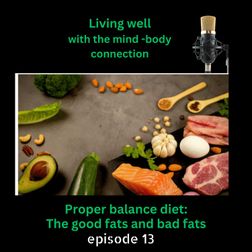
ProperBalance Diet: The good fats and bad fats
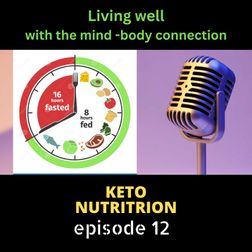
The consumption of dietary fat has a critical impact on the levels of cholesterol in the human body. Cholesterol, a fatty, wax-like substance, is indispensable for the body's optimal functioning. Although it is not inherently detrimental, excessive amounts can adversely affect an individual's health. Hence, it is imperative to be mindful of the types of cholesterol present in the body. As with dietary fat, cholesterol can be classified into good and bad types. A thorough understanding of the impact of cholesterol on the human body is necessary to make informed decisions about one's diet and lifestyle.
Keto Nutritrion
The ketogenic diet endeavors to alter the metabolic fuel source utilized by the body. Rather than relying on glucose derived from carbohydrates, such as grains, legumes, vegetables, and fruits, the ketogenic diet promotes ketone bodies as the primary energy source. The liver produces ketone bodies as a result of fat metabolism. This dietary pattern has gained popularity because of its purported benefits, such as weight loss, improved blood sugar control, and reduced risk of certain diseases. The ketogenic diet is a high-fat, low-carbohydrate, and moderate-protein diet that requires careful planning and monitoring to achieve and maintain a state of ketosis, wherein the body burns fat for energy.
Smart Fat
When making dietary choices, selecting foods that contain good unsaturated fats and limiting the intake of foods high in saturated fat is essential. The consumption of bad trans fats should be avoided altogether. Research has demonstrated that good unsaturated fats, including monounsaturated and polyunsaturated fats, can decrease the risk of developing certain diseases. Examples of foods that are rich in unsaturated fats include vegetable oils such as olive, canola, sunflower, soy, and corn, as well as nuts, seeds, and fish. It is important to keep in mind that the quality of the fat is as important as the quantity consumed. Therefore, a balanced diet that includes foods rich in good unsaturated fats can help to reduce the risk of developing certain diseases.
Season 1
Our body, our hearing, and our voice
Hearing is a complex process that changes sound waves into electrical signals that travel to the brain through the auditory nerve. Sound waves enter the ear canal, reach the eardrum, and cause vibrations. These vibrations travel to the cochlea, where tiny hair cells turn them into electrical signals. The auditory nerve carries these signals to the brainstem, where they are analyzed before being sent to the auditory cortex for interpretation. In summary, hearing depends on the precise conversion of sound waves to electrical signals that the brain can interpret.
Stress and Relaxation Response
The phenomenon of relaxation response is characterized by a decrease in the body's oxygen consumption, a reduction in blood pressure, and a lowering of stress hormone levels facilitated by a decrease in heart rate. Regular application of relaxation techniques holds the potential to counteract the deleterious effects of stress. In essence, voluntary induction of relaxation response can mitigate the negative impact of stress on the body.
The mind and the gut connection
Throughout history, what we eat has varied widely depending on what was available, but it has always been crucial to our overall health. Our brains and digestive systems have evolved and must stay in close contact to ensure we get the necessary nutrients. We also require a sound alarm system to prevent us from eating the wrong thing or slowing down digestion when necessary. The relationship between the gut and the brain is complex and two-way. Signals are transmitted in both directions between the digestive and central nervous systems; any health or disease in either system can affect the other. The enteric nervous system, the vagus nerve, and the gut microbiome are all important components in this connection.
Sugar, beverages, and your health
Sugar-sweetened beverages and sugary drinks represent significant sources of added sugars within the American diet. The habitual consumption of such beverages has been associated with an array of health concerns, including weight gain, obesity, type 2 diabetes, heart disease, kidney diseases, non-alcoholic liver disease, tooth decay and cavities, and gout, a form of arthritis. Limiting the intake of sugary drinks can aid in maintaining a healthy weight and promote improved dietary patterns.
The three dietarylifestyle: Vegan, vegetarian, and omnivoure
Three primary dietary categories exist: vegan, vegetarian, and omnivorous. The vegetarian diet falls between the vegan and omnivorous diets. Individuals who adhere to a vegetarian diet abstain from consuming meat and fish. This type of diet presents a slightly more restricted alternative to the omnivorous diet but is less limiting than the vegan diet. The vegan diet is the most restrictive of the three, as it eliminates all animal-derived food products, including meat and fish.
Dementia: Behind an aging brain
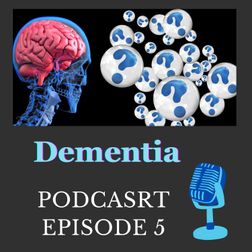
Dementia:Dementia is a term that refers to a group of neurological disorders that impact the brain and progressively worsen over time. It involves the loss of cognitive abilities such as thinking, memory, and reasoning, which can affect daily activities. Dementia can also lead to changes in behavior and personality, making it difficult for some individuals to control their emotions and actionsAlthough there are no guarantees when it comes to preventing memory loss or dementia, there are some activities that might help sharpen your memory. It's also important to know when to seek help for memory loss.
Your body's energy factory
Mitochondria play a crucial role in the human body as they are responsible for processing oxygen and converting substances from the foods we eat into energy. These energy factories exist in almost every cell in our body and are responsible for producing 90% of the energy required for our bodies to function properly..
1 of 2