K Genome Compass

K Genome Compass

by Dr. Min-Seob Lee
Season 2

Covid-19 범가 백신 (pan-valent vaccine) 개발

김성호 박사가 공동 저자로 참여한 것으로, SARS-CoV-2(SC2)의 유전체 분석과 ‘범가백신(pan-valent vaccine)’ 설계에 중점을 두고 있습니다.연구진은 SC2 변이를 네 가지 주요 유전체 그룹(MGGs)으로 분류하였고, 각각은 고도로 보존된 변이 유전자형(HCVGs)으로 특징지어지며, 이 중 일부는 그룹 간에도 공통적으로 존재합니다.이러한 관찰 결과를 바탕으로, 현재뿐 아니라 미래의 다양한 바이러스 변이주에 대해 폭넓은 면역 반응을 유도할 수 있는 새로운 유형의 백신을 설계하기 위한 계산 기반 접근법이 개발되었습니다.특히 바이러스의 S(spike) 유전자와 N(nucleocapsid) 유전자에 고농도로 분포된 HCVG를 타겟으로 하여, 면역의 범용성과 지속성을 극대화하려는 전략을 채택하고 있습니다.

Pan-valent Vaccines Design for Viral Variants

The provided sources, a patent application and a research paper, both authored in part by Sung-Hou Kim, focus on the genomic analysis of SARS-CoV-2 (SC2) and the design of "pan-valent" vaccines. The authors classify SC2 variants into four Major Genomic Groups (MGGs), each characterized by Highly-Conserved Variant Genotypes (HCVGs), with some HCVGs being inherited across these groups. This observational basis informs their computational method for designing a novel vaccine type that aims to induce broad immunity against both current and future viral strains, specifically targeting the S and N genes due to their high concentration of these crucial HCVGs.

Right to Try

These sources explain the U.S. "Right to Try" legislation and its implications for the Korean healthcare system. The law aims to uphold patient autonomy and the dignity of life by allowing terminally ill patients to attempt experimental treatments that have not yet received full regulatory approval. The articles emphasize the need for ethical and institutional discussions on protecting patient choice in the era of precision medicine, as technological advancements continue. They argue that Korea should also move beyond the right to treatment and establish a legal framework recognizing the right to try. Overall, these writings highlight the importance of a healthcare system that empowers patients to make proactive choices—even in the final moments of life.

Right to Try - 존엄한 삶을 위한 시도할 권리

이 출처들은 미국의 'Right to Try' 법률과 이것이 한국 의료 시스템에 미치는 함의에 대해 설명합니다. 특히, 이 법은 말기 환자들이 아직 최종 승인을 받지 않은 실험적인 치료법을 시도할 수 있도록 허용함으로써 환자의 자율성과 삶의 존엄성을 존중하려는 목적을 가집니다. 기사들은 정밀의학 시대에 기술 발전과 더불어 환자의 선택권 보장이라는 윤리적, 제도적 논의가 필요함을 강조하며, 한국에서도 치료받을 권리를 넘어 시도해볼 권리까지 법제화해야 할 필요성을 주장합니다. 전반적으로, 이 글들은 생명의 마지막 순간까지 환자가 주도적인 선택을 할 수 있도록 돕는 의료 시스템의 중요성을 부각합니다.

Health Bench - AI 의사 시대: 진짜 의사는 누구인가?

주어진 글은 인공지능(AI)이 의료 분야에 미치는 영향과 미래 의사의 역할 변화에 대해 논합니다. OpenAI의 HealthBench 평가를 통해 AI가 진단 정확도와 의사소통 능력에서 인간 의사에 근접하는 성능을 보이고 있으며, 가까운 미래에 1차 진료의 상당 부분을 AI가 대체할 것이라고 예측합니다. 이 변화 속에서 의사는 단순히 지식을 전달하는 존재를 넘어, 기술을 활용하여 환자의 삶을 통합적으로 이해하고 정밀의학을 구현하는 설계자가 되어야 함을 강조합니다. 또한, 환자 역시 수동적인 태도에서 벗어나 치료 과정에 적극적으로 참여하는 주체가 될 것이며, 이에 따라 의사, 과학자, 엔지니어가 협력하는 융합적 의료 생태계의 필요성을 역설합니다. 궁극적으로 AI 시대에는 AI를 잘 활용하고 인간적인 역량을 갖춘 '진짜 의사'만이 살아남을 것이라는 전망을 제시합니다.

Health Bench - The Age of AI Doctors: Who Is the Real Physician?

The given text discusses the impact of artificial intelligence (AI) on the medical field and the evolving role of physicians in the future. It highlights how OpenAI’s HealthBench evaluation demonstrates that AI is approaching human-level performance in diagnostic accuracy and communication skills. The article predicts that in the near future, a significant portion of primary care will be replaced by AI. In this transformation, physicians must go beyond simply conveying knowledge; they must become architects of precision medicine, using technology to holistically understand and support patients' lives. Patients, too, will move away from a passive stance and become active participants in their own treatment processes. This shift underscores the need for an integrated medical ecosystem where doctors, scientists, and engineers collaborate closely. Ultimately, in the era of AI, only those who can skillfully utilize AI while maintaining strong humanistic capabilities will survive as the “real physicians.”

𝟚𝟛𝕒𝕟𝕕𝕄𝕖 ℝ𝕖𝕥𝕦𝕣𝕟𝕤 𝕥𝕠 𝔸𝕟𝕟𝕖 𝕎𝕠𝕛𝕔𝕚𝕔𝕜𝕚

The provided source details the transformation of 23andMe, a personal genomics company, following its Chapter 11 bankruptcy filing. Anne Wojcicki, the co-founder, reacquired the company through her non-profit organization, TTAM Research Institute, outbidding a competitor. This strategic move signifies a shift from a for-profit public entity to a non-profit structure, aiming to prioritize data privacy and public benefit over short-term shareholder gains. The article suggests this rebirth could reinvigorate the personal genomics industry by fostering greater trust and enabling the realization of Wojcicki's long-held vision for genetic data as a public asset for health and scientific advancement.

23andMe, 다시 Anne Wojcicki의 품으로

제공된 출처는 개인 유전체 분석 기업인 23andMe가 챕터 11 파산 신청 이후 겪은 변화 과정을 다루고 있습니다. 공동 창립자인 앤 워치츠키(Anne Wojcicki)는 자신이 설립한 비영리 기관 TTAM 리서치 인스티튜트(TTAM Research Institute)를 통해 23andMe를 인수하며 경쟁자를 제치고 경영권을 다시 확보했습니다. 이 전략적 인수는 상장된 영리 기업에서 비영리 구조로의 전환을 의미하며, 단기적인 주주 이익보다 데이터 프라이버시와 공익을 우선시하겠다는 방향성을 담고 있습니다. 해당 기사에 따르면, 이번 '재탄생'은 개인 유전체 산업 전반에 신뢰를 회복하고, 워치츠키가 오랫동안 꿈꿔온 “유전체 데이터를 공공의 자산으로 활용하는 시대”를 실현하는 데 기여할 수 있는 계기가 될 것으로 전망됩니다.

U in RNA, T in DNA: The Strategy of Life

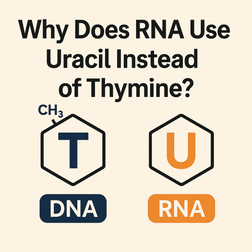
The source explores the fundamental distinction between DNA and RNA, specifically focusing on their unique nucleotide bases: thymine (T) in DNA and uracil (U) in RNA. It explains that this seemingly minor chemical difference, involving a single methyl group, reflects a crucial evolutionary strategy for information management within living organisms. DNA utilizes thymine for its enhanced stability and the ability to detect and repair errors from damaged cytosine, crucial for its role as a long-term genetic blueprint. Conversely, RNA employs uracil due to its metabolic efficiency and shorter lifespan, fitting its function as a temporary information carrier and processing tool. This differentiation highlights how life has optimized both genetic integrity and metabolic flexibility at a molecular level.
Telomeres: Astragalus and the Future of K-Anti-Aging

reduction in patients with myocardial infarction, as well as the potential anti-aging properties of the traditional herbal medicine Astragalus membranaceus. The first source presents clinical trial results demonstrating that TA-65 increases key lymphocyte subsets and reduces inflammatory markers. The second source discusses how cycloastragenol, a compound derived from Astragalus, can activate the telomerase enzyme and potentially delay cellular aging. Both sources highlight the positive impact of TA-65 on immune function, while emphasizing the scientific potential of Astragalus in anti-aging therapy.
2 of 12