Interfaiths

Interfaiths

by Iqbal Akhtar

Bridges and Barriers: The Human Element of Interfaith Dialogue

This episode examines the FIU Jewish-Muslim Dialogue Fellowship, a university programme designed to bridge deep social and religious divides during a period of intense geopolitical conflict. Through academic reflection of the student discussion, we highlight the challenges of maintaining empathy when personal and collective trauma foster mutual suspicion. Students identify algorithmic outrage and a lack of traditional religious grounding as factors that radicalise diaspora communities, often making those far from the conflict more extreme than those living within it. The students argue that genuine relationship-building requires individual security in one’s own identity rather than defensive political posturing. Ultimately, the sources present a cautiously optimistic vision where shared recognition of human suffering and collaborative action against prejudice might eventually overcome historical fractures. Such grassroots dialogue is framed as a moral refusal to allow present catastrophes to dictate the future of interfaith relations.

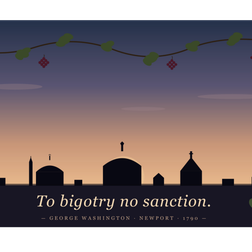
To Bigotry No Sanction: Pluralism and the American Covenant

This episode addresses a violent 2026 shooting at the Islamic Center of San Diego, using the tragedy to explore the intersections of faith, history, and pluralism. Islam characterizes the Hajj as a "rehearsal for death" that promotes radical equality, urging believers to counter hostility through acts of service. Accompanying this is a scholarly essay that rejects the rise of Christian nationalism, citing founding documents and treaties to demonstrate that America was intended to be a secular refuge. The texts argue that antisemitism and Islamophobia are linked by a shared logic of exclusion, necessitating a unified interfaith response. Ultimately, the authors call for a return to a civic covenant in which diverse religious communities can coexist safely, free from fear of bigotry. Through the lens of Islamic tradition and American history, the sources advocate for a society defined by character and mutual protection.

Muhammad Ali and the Future of American Islam

This episode explores the legal and cultural integration of Muslims in the United States through the lens of Muhammad Ali’s 1971 Supreme Court victory. By examining how the court eventually recognized Ali’s conscientious objection as a sincere religious belief, the author illustrates a pivotal moment in the nation's constitutional history. It argues that Islam is an indigenous part of the American story, rather than a recent arrival. Looking toward the country's 250th anniversary, it proposes a framework of covenantal pluralism to foster genuine flourishing and mutual respect between different faiths. Ultimately, the source calls for a reciprocal commitment to religious freedom, where every community actively protects the rights and dignity of its neighbors.
Season 1

Interfaiths: Interview with Prof. Dr. Mohammad Homayounvash

Welcome to the premiere episode of the Interfaiths podcast with Dr. Iqbal Akhtar. In this episode, we are honored to host Dr. Mohammad Homayounvash, Director of the Jaffer Institute for Interfaith Dialogue and Education at Miami Dade College. Together, they discuss the critical shift from "hardcore" international security studies to a more holistic approach that includes civilizational and religious identity. Dr. Homayounvash shares his unique perspective on growing up in Iran, his academic journey, and how the "Miami Model" of interfaith relations is fostering intercultural literacy in South Florida. Key Topics Discussed: From Realism to Religion: Why international relations must include identity politics. The Andalusian Ideal: Can we recreate the collaborative ecosystem of Muslims, Jews, and Christians from historical Spain in the 21st century? Cultural DNA vs. Religion: How stripping away cultural "accessories" makes dialogue easier. AI & Bias: The dangers of algorithmic bias and Islamophobia in Large Language Models (LLMs). Building Bridges: Moving beyond theological debate to cultural connection through art, food, and philosophy. About the Guest: Dr. Mohammad Homayounvash is the Director of the Jaffer Institute for Interfaith Dialogue and Education at Miami Dade College and a professor of International Relations at FIU and the University of Miami. For more information, please visit interfaiths.substack.com or theeastwestfoundation.org

Interfaiths: Interview by Phillip Lwiza of Nabila Yusuf

My name is Nabila Yusuf, and I am a 23-year-old master’s student of History at Bayero University Kano, Northern Nigeria. Education has always been my path to freedom, and I have worked hard to support myself fully, without external financial or family assistance. Despite the obstacles, I have remained committed to building a future in which my research and advocacy can give African women and youth a stronger voice on the global stage. I am now preparing to take the next step in my academic journey by applying to Florida International University (FIU) to study Religious Studies (M.A.) and Ph.D. in International Relations. My goal is to work with leading scholars such as Professor Aktar and Professor Susanne Zwingel to advance research in African gender studies, religion and feminism. This opportunity represents not just a personal achievement but also a way to bring forward the voices and experiences of women in my region who are often left out of academic and policy conversations. Alongside my studies, I have been actively involved in youth empowerment, advocacy, and mentoring young girls in schools. I lead a local youth NGO and have volunteered in so many other programs that promote civic engagement, gender advocacy and peace. These experiences have shaped me into a scholar who is not only passionate about research but also committed to creating real social impact. However, pursuing this dream comes with significant financial barriers, including academic evaluations, application fees, and living expenses. I am reaching out to kind-hearted individuals and well-wishers who believe in the power of education and gender advocacy to support me in this journey. Your contribution, no matter the size, will bring me closer to achieving my goal of becoming a scholar whose work bridges Africa and the world.

Interfaiths 21: FIU Students Sarah Currea and Serhan Özgül on Bridging Divides

Join Professor Iqbal Akhtar and FIU students Sarah Currea and Serhan Özgül for a powerful conversation about interfaith dialogue in the face of global conflict. In this episode of the FIU Interfaith Podcast, Sarah and Serhan share their personal journeys with religion and their experiences in FIU's Jewish-Muslim Dialogue group. They discuss the challenges of discussing sensitive topics like the Israeli-Palestinian conflict on campus, the impact of social media on religious understanding, and the critical importance of human connection, respect, and open-mindedness in bridging divides. Key Topics: Student Perspectives on Interfaith Dialogue: Hear firsthand from FIU students about their experiences in a Jewish-Muslim dialogue group. Navigating Campus Conversations: Explore the challenges of discussing the Israeli-Palestinian conflict and other sensitive topics in a university setting. The Impact of Social Media on Religion: Discuss the role of social media in shaping religious understanding and the dangers of online echo chambers. Building Bridges Through Understanding: Learn about the importance of human connection, respect, and open-mindedness in fostering interfaith dialogue. About the Guests: Sarah Currea: A sophomore at FIU studying international relations, Sarah joined the Jewish-Muslim Dialogue group to broaden her understanding of religion and connect with students from diverse backgrounds. Serhan Özgül: An economics major from Germany with Turkish roots, Serhan shares his personal journey with Islam, including his experiences with religious extremism and his commitment to promoting peace and understanding. About the FIU Interfaiths Podcast: The podcast explores the intersections of religion, politics, and culture through engaging conversations with scholars, students, and community leaders. This podcast is part of FIU's online courses in Religious Studies and Politics & International Relations. Keywords: FIU, Interfaith, Dialogue, Jewish-Muslim, Campus, Religion, Politics, Israel-Palestine, Social Media, Understanding, Peace, Students, Interview, Podcast For more information, please visit https://interfaiths.substack.com or https://theeastwestfoundation.org

Interfaiths Miami: Mosaic Miami: Redefining Interfaith Dialogue in a Changing City w/ Matt Anderson

In this episode, I sit down with Matt Anderson, Executive Director of Mosaic Miami (formerly MCCJ), to discuss the evolving landscape of faith and community cohesion in South Florida. From his roots in the Haitian and Bahamian diasporas to leading one of Miami’s oldest human relations organizations, Matt shares his journey from finance to the nonprofit sector. We dive deep into why the "old playbook" of interfaith dialogue no longer works, the challenges facing Miami’s youth, and the critical need for "third spaces" like The Underline and the new Bell Chapel at FIU. We also tackle the hard truths about the economic "Manhattanization" of Miami, the loneliness epidemic, and how we can maintain human connection in an increasingly polarized world. In this conversation, we cover: The Rebrand: Why MCCJ became Mosaic Miami to reflect a diverse new era. Cultural Literacy: Why youth need experiential learning to bridge divides. The Arts as Equalizer: Using film and theater to start difficult conversations. Miami’s Future: Facing gentrification, sea-level rise, and the cost of living. Faith & Mortality: A personal reflection on leadership, parenting, and purpose. CHAPTERS: 0:00 - Introduction 0:55 - Matt Anderson’s Roots & Journey 04:15 - From MCCJ to Mosaic Miami: The Rebrand 08:30 - "Ripping Up the Playbook": New Interfaith Challenges 12:10 - The Loneliness Epidemic & Youth Mental Health 16:45 - The "Manhattanization" of Miami & Economic Strain 21:30 - The Importance of "Third Spaces" (The Underline, FIU Bell Chapel) 26:00 - Faith, Death, and Finding Purpose 30:15 - Future Vision for Mosaic Miami Dr. Iqbal Akhtar / Interfaiths Substack: https://interfaiths.substack.com/ ABOUT THE GUEST: Matt Anderson is the Executive Director of Mosaic Miami. A Miami native, he previously worked in commercial real estate and banking before pivoting to lead the organization during the height of the pandemic. He is dedicated to creating safe spaces for dialogue, fighting discrimination, and building a more inclusive South Florida. #MosaicMiami #InterfaithDialogue #Miami #SocialJustice #CommunityBuilding #FIU #IqbalAkhtar #MattAnderson #SouthFlorida For more information, please visit https://interfaiths.substack.com or https://theeastwestfoundation.org
Interfaiths: Building Sacred Space at a Public University- The Bell Chapel at FIU (ft. Tara Orezoli)

Welcome back to the channel. In this episode, I am honored to sit down with Tara Orezoli, Director of Development for Strategic Initiatives at the FIU Foundation, to discuss a groundbreaking project for our community: The Trish and Dan Bell Multifaith Chapel at Florida International University. We explore the vision behind this remarkable 18,000-square-foot facility—the first of its kind at a public university in Florida designed from the ground up specifically as a multifaith space. Tara shares fascinating insights into the building's nature-inspired architecture (including its unique aerial "fish" design), the vital distinction between "interfaith" and "multifaith," and how this "third space" will serve the diverse spiritual needs of students in Miami. We also discuss the changing spiritual landscape of higher education, the move from tolerance to respect in pluralistic societies, and how Miami’s vibrant multicultural environment shapes the student experience. In this episode, we cover: The Vision: The philanthropic legacy of Trish and Dan Bell and their commitment to student well-being. The Design: How Miami-based architects Gurri Matute designed a neutral, nature-centered space featuring a 3,000 sq. ft. sanctuary with movable furniture and ablution stations. The Distinction: Understanding the difference between a "multifaith" facility and "interfaith" programming. The Context: How Miami's religious diversity impacts campus life and the importance of spiritual health in student success. Timestamps: 0:00 - Introduction 1:35 - The Trish and Dan Bell Multifaith Chapel 2:30 - Nature-Inspired Architecture & Design 4:45 - The Philanthropic Vision of the Bells 6:30 - Spirituality and the "Third Space" on Campus 11:00 - Growing Up in a Changing Miami 15:00 - Contact Information & Closing #FIU #Interfaith #Multifaith #HigherEd #Miami #Spirituality #BellChapel #Pluralism For more information, please visit https://interfaiths.substack.com or https://theeastwestfoundation.org
Interfaiths: Building Bridges: A Conversation with Jewish Community Leader Joe Jacoby

In this episode, I sit down with Joe Jacoby, a preeminent leader in the Miami Jewish community and former president of Temple Beth Am, for a profound discussion on history, identity, and the future of interfaith relations. As a rare Miami native, Joe shares his family’s deep roots in the South (dating back to Pensacola and Mobile) and offers a firsthand perspective on how Miami has evolved from a small town to a global metropolis. We dig deep into the history of antisemitism in Florida—from "Gentiles Only" signs in the past to the complex challenges fueled by social media today. Crucially, this conversation focuses on the power of connection. We discuss the "portability" of Jewish identity, the core values of welcoming the stranger, and the practical work of building trust between Muslim and Jewish communities. Joe also shares his personal journey of reading the Quran to find common ground and his spiritual reflections from traveling through India. Topics Discussed: A Native Perspective: Growing up in Miami and the history of Jewish migration to the South. Confronting Hate: The shift from institutional discrimination to modern social media polarization. Interfaith Dialogue: Why building trust requires "walking in someone else's shoes" and finding theological commonalities. Community Leadership: The challenges and rewards of leading one of the Southeast’s largest synagogues. Timestamps: 0:00 - Introduction & Joe’s Background as a Miami Native 2:18 - The History of the Jewish Community in Florida 4:08 - Antisemitism: Historical vs. Modern Day 6:25 - The "Portability" of Jewish Identity 8:20 - Core Values of Judaism & Welcoming the Stranger 10:00 - Polarization, Social Media, and the Need for Education 13:50 - The Spiritual Impact of India 15:35 - Leading Temple Beth Am: Reflections & Challenges 18:00 - Reading the Quran & Building Muslim-Jewish Bridges 19:35 - A Message for the Future Mentioned in this Episode: Temple Beth Am (Miami) Jews of Florida by Marcia Zerivitz Don't forget to like, subscribe, and share this conversation to help support interfaith dialogue. #Interfaith #JewishHistory #Miami #TempleBethAm #Antisemitism #CommunityBuilding #Spirituality #Podcast For more information, please visit https://interfaiths.substack.com or https://theeastwestfoundation.org
Interfaiths: Interfaiths Miami: From Air Force to Jewish Leader: A Journey of Faith & Identity (ft. Pamela Lear)

In this episode of the Interfaith Miami podcast, host Balakar sits down with Pamela Lear, a prominent figure in the South Florida interfaith movement, to discuss her fascinating journey of identity, resilience, and faith. Pamela’s story is not that of a typical upbringing. From growing up as an "Air Force brat" living in Japan and Ireland to navigating the complexities of the segregated South in 1970s Memphis, her worldview was shaped by diverse cultures and the stark realities of history. She shares the pivotal moment at age 11—over a meal of shrimp and steak on Yom Kippur—where she had to decide if Judaism was truly her choice, distinct from her parents' assimilated lifestyle. We also dive deep into the challenges of antisemitism, the nuances of maintaining a 41-year interfaith marriage, and her philosophical outlook on the future. Pamela offers a profound explanation of Tikkun Olam (repairing the world), moving beyond simple good deeds to explore its mystical Kabbalistic roots regarding the "shattering of the vessels" and our duty to make the world whole again. Topics Discussed: Global Upbringing: Life as a military child in Japan and the lingering effects of colonization observed in Ireland. The "Shrimp & Steak" Moment: A humorous yet defining story of choosing faith on the holiest day of the year. Interfaith Dynamics: Navigating 41 years of marriage with a supportive non-Jewish partner. Antisemitism & Identity: Experiences in the "Bible Belt" and the importance of Holocaust education. Philosophical Insights: A deep dive into the Kabbalistic meaning of Tikkun Olam and the importance of "holy arguing" in Jewish tradition. Timestamps: 0:00 - Introduction & Pamela’s Global Background 2:15 - Growing up Jewish in 1970s Memphis 6:25 - The Turning Point: Yom Kippur & The Hibachi Restaurant 8:45 - Navigating an Interfaith Marriage 12:30 - Jewish Identity, Trauma, and The Holocaust 14:15 - A Nuanced Perspective on Israel 16:00 - Modern Antisemitism vs. The "Bubble" 18:50 - What is Tikkun Olam? (Kabbalistic Origins) 24:00 - Hope, Gratitude, and the Next Generation #Interfaith #JewishIdentity #Miami #TikkunOlam #Podcast #Spirituality #Kabbalah #MilitaryFamily For more information, please visit https://interfaiths.substack.com or https://theeastwestfoundation.org
1 of 7