Gwekwaadziwin Miikan

Gwekwaadziwin Miikan

by Gwekwaadziwin Miikan
Season 2
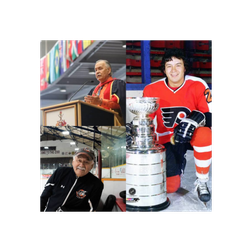
Rooted in Gwekwaadziwin: Season 2, Episode 9 - Reggie Leach
In this powerful episode of Rooted in Gwekwaadziwin, we sit down with Reggie Leach, Ojibwe from Berens River First Nation in Manitoba — Stanley Cup champion, NHL legend known as the “Riverton Rifle,” and one of the first Indigenous superstars in professional hockey. Reggie shares his journey from growing up in Riverton, Manitoba — learning the game on outdoor ice and practicing in the dark — to stepping into NHL dressing rooms alongside some of the greatest players in the world. But this conversation goes far beyond hockey. With honesty and humility, Reggie reflects on identity, racism, pressure, and what it was like entering the NHL at a time when there were no orientation programs, no mental health supports, and a culture where alcohol was everywhere. He speaks openly about his struggles with addiction, the moment he chose life, and the support systems that helped him walk the path of recovery — a journey he’s been on for nearly four decades. Now an Elder, speaker, and advocate, Reggie talks about finding belonging later in life, reconnecting with culture, and why listening to youth — truly listening — is one of the most important responsibilities we have as communities. This is a conversation about truth, resilience, healing, and what it really means to live a good life.

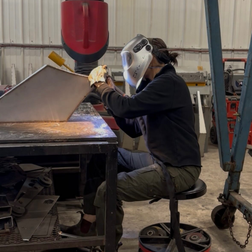
Rooted in Gwekwaadziwin: Season 2, Episode 8 - Kathryn Corbiere
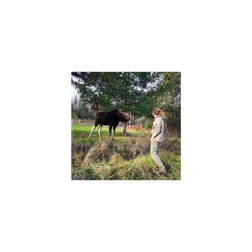
In this episode of Rooted in Gwekwaadziwin, we sit down with Kathryn Corbiere — welder, artist, fabricator, and proud Anishinaabe-kwe from M’Chigeeng First Nation. Kathryn shares her journey from growing up on Manitoulin Island, through sports and the trades, to becoming a full-time artist creating large-scale public installations across Ontario — including nationally recognized work. We explore how land, community, and culture shape her creative process, and how welding became both a trade and a form of artistic expression. This conversation dives into what it means to be a woman in a male-dominated field, the importance of trying different paths to find your own, and why Indigenous artists don’t have to fit into a single category to be authentic. Kathryn also reflects on mentorship, wellness, staying grounded in the work, and creating art that lives in public spaces for generations. A powerful and honest conversation about creativity, resilience, and trusting your hands — rooted in land, identity, and lived experience.

Rooted in Gwekwaadziwin: Season 2, Episode 7 - Corey McDonald
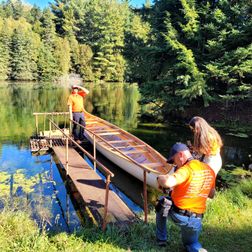
In this episode of Rooted in Gwekwaadziwin, we sit down with Corey MacDonald, Land-Based Lead Facilitator with Noojmowin Teg. Corey shares his journey growing up on Manitoulin, leaving home to explore the world — including a memorable season working as an au pair in Switzerland — and eventually returning to the Island with a renewed connection to hiking, harvesting, and land-based living. We talk about learning food systems through experience rather than theory, his transition from vegetarian ethics into hunting and harvesting, and the teachings that come with taking a life, preparing meat, and feeding community. Corey reflects on buck fever, breaking down his first deer, trapline stories, beaver tail experiments, and teaching youth through hands-on land-based programming — from Nerf-gun deer targets to full deer breakdowns in the classroom. Throughout the conversation, we return to the teaching of gwekwaadziwin — honesty. Honesty with ourselves, with the land, and with those we teach.

Rooted in Gwekwaadziwin: Season 2, Episode 6 - Dan Ardis (Pine River Institute)
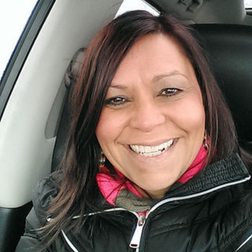
In this episode of Rooted in Gwekwaadziwin, Sam and Matt sit down with Dan Ardis from Pine River Institute, an organization known for its long-term, land-based treatment model supporting youth and families across Ontario. Dan brings more than 25 years of experience as an educator, vice principal, and principal, and now plays a key leadership role in Pine River’s outdoor leadership and campus programs. Together, we explore what wilderness therapy really looks like—beyond the buzzwords—and how six to eight weeks on the land helps young people build readiness, resilience, and a renewed sense of self. The conversation dives into: Pine River’s unique model combining wilderness programming, therapeutic community, and academics How staff prepare youth (and themselves) for extended time on the land The importance of small-group living, mentorship, and developing basic life skills Family involvement, long-term treatment, and aftercare supports Pine River’s growth, outreach work, and commitments around equity and cultural humility The value of collaboration between programs like Pine River and Gwekwaadziwin Miikan Dan also shares stories of transformation—moments when youth discovered their own strength, capability, and impact on others. Whether you work in youth mental wellness, land-based healing, or community programming, this episode offers a thoughtful look at long-term treatment, genuine partnership, and the power of the land to shape young people’s lives. https://pineriverinstitute.com/

Rooted in Gwekwaadziwin: Season 2, Episode 5 - Dr. Brenda Restoule
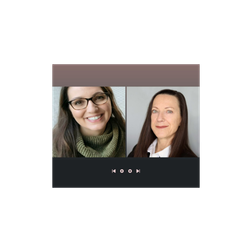
In this episode of Rooted in Gwekwaadziwin, Sam and Matt sit down with Dr. Brenda M. Restoule, CEO of the First Peoples Wellness Circle (FPWC) and one of the leading voices in Indigenous mental wellness across the country. Brenda, from Dokis First Nation and Eagle Clan, has spent decades supporting communities, helpers, and wellness teams through culturally grounded approaches that centre Indigenous knowledge, land, and community strengths. As a clinical psychologist and national leader, her work has helped shape the First Nations Mental Wellness Continuum Framework and guide the development of culturally safe, community-driven mental wellness systems. This conversation explores: The roots of Brenda’s work in Anishinabek territory How culture, land, and identity form the foundation for wellness The growth of Indigenous mental wellness teams across the country The role of the First Peoples Wellness Circle in supporting helpers and communities How we strengthen cultural safety and community-based healing Listeners can explore FPWC’s Knowledge Exchange and Resource Sharing Hub — an accessible, custom-curated space designed specifically for the Indigenous mental wellness workforce. The Resource Hub offers training materials, tools, frameworks, and cultural resources to support helpers and Wellness Teams in their work: 👉 Resource Hub: https://resourcehub.fpwc.ca/ And don’t miss FPWC’s own powerful series: 🎙️ pihtikwê: Visits with First Nations Psychologists Mobilizing Indigenous knowledge on trauma repair, addiction recovery, community survivance, and care. 👉 https://fpwc.ca/pihtikwe-podcast/ A powerful conversation with a national leader whose vision continues to influence the future of Indigenous mental wellness.

Rooted in Gwekwaadziwin: Season 2, Episode 4 - Monica Neitzert & Adryan Bergstrom-Borins (Ministry of Children, Community and Social Service & Ministry of Health)
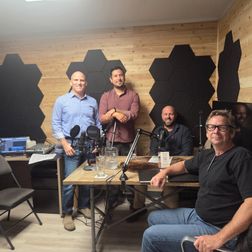
In episode 4, Sam is joined by special guest host Rachel to sit down with Monica Neitzert (MCCSS) and Adryan Bergstrom Borins (MOH) to explore the 30-year history of the Indigenous Healing & Wellness Strategy and the future of Indigenous mental health and addictions in Ontario. They discuss the Strategy’s origins, land-based healing, community-led approaches, and the realities of supporting Indigenous wellness today. Note: Since this recording, Monica has retired. We extend our gratitude for her leadership and long-standing commitment to Indigenous healing and wellness.

Rooted in Gwekwaadziwin: Season 2, Episode 3 - Mike Ladyk & Tim James (3rd Line Studio Architecture)
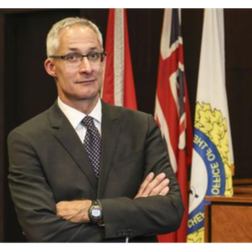
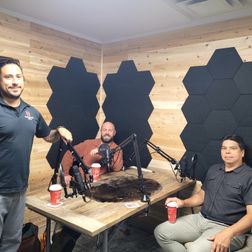
In this episode, we pull up an extra chair for a conversation with architects Mike and Tim from 3rd Line Studio. Together, we explore how nature, relationships, communication, and creative vision shape their work — and get an inside look at the principles of biophilic design.

Rooted in Gwekwaadziwin: Season 2, Episode 2 - Dr. Dirk Huyer
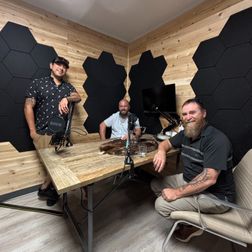
In this episode, we sit down with Dr. Dirk Huyer, the Chief Coroner for Ontario. We talk about his professional journey and how the data from the investigations can help support future healing opportunities and work towards continuous improvement within the system.

Rooted in Gwekwaadziwin: Season 2, Episode 1- Neil Debassige

We kick off Season 2 of Rooted in Gwekwaadziwin with educator, coach, and outdoors storyteller Neil Debassige. — the creator and host of Fuel The Fire TV, a series that follows Neil and his Pro Staff as they pursue wild game across Ontario and beyond. Viewers of Fuel the Fire get more than just the hunt — they see the real life that surrounds it: the early mornings, the near misses, and the balance of raising families, working, and living close to the land on Manitoulin Island, the largest freshwater island in the world. Neil joins us in the studio to talk about education, family, and the fine art of staying grounded in a digital world. From growing up in a teaching family to filming bear hunts, from raising kids through connection to confronting the pull of screens — Neil’s stories remind us that learning happens everywhere: in classrooms, on the land, and around the fire. He also shares the mantra that has shaped his work and his life: “Do more of what you love, and less of what you don’t.” It’s an honest, funny, and thoughtful conversation about land, learning, humility — and yes, a little talk about the Toronto Maple Leafs too.
Season 1

Rooted in Gwekwaadziwin: Season 1, Episode 10 - Craig Abotossaway

In this final episode of Season 1 of Rooted in Gwekwaadziwin, Matt and Sam sit down with Craig Abotossaway, Executive Director of Mnaamodzawin Health Services, for a conversation that challenges how we understand Indigenous wellness, identity, and the systems that surround them. Drawing from both lived experience and leadership in community-based health services, Craig speaks to the complexity of navigating identity in a modern context — and how colonization continues to shape how we see ourselves, each other, and the services we build. This episode explores: What it means to reclaim and redefine Indigenous identity The ongoing impacts of colonization on worldview and systems of care The difference between cultural practices and spiritual understanding The concept of “two-eyed seeing” and applying multiple ways of knowing How land, spirit, and perspective are central to healing Throughout the conversation, Craig challenges the idea that meaningful change can come from simply adding cultural elements into existing systems. Instead, he invites a deeper shift — one that requires rethinking how those systems are built and whose knowledge they are grounded in. As the closing episode of Season 1, this conversation brings forward some of the deeper themes that have run throughout the series — connection, identity, and the importance of looking at wellness through a broader lens.
2 of 3