From Recovery to Wellness | Life After Heart Surgery, Aneurysm Repair & Cardiac Healing

From Recovery to Wellness | Life After Heart Surgery, Aneurysm Repair & Cardiac Healing

by Arnita M. Williams
Season 4

What Actually Causes an Aortic Aneurysm to Grow and What Factors Slow It Down?

AI
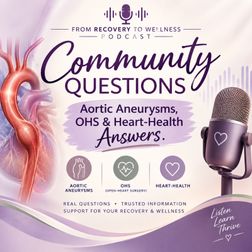
Welcome to Season 4 of From Recovery to Wellness — a special series featuring evidence-based answers to questions commonly asked in aneurysm, open-heart surgery, and cardiovascular disease communities. In this episode, we explore one of the most frequently asked questions among survivors and caregivers: What actually causes an aortic aneurysm to grow? We discuss the factors that researchers and cardiovascular specialists have identified as contributors to aneurysm growth. We also explain the unpredictability of aneurysm growth and the importance of regular surveillance imaging as an important part of long-term care. In this episode, we will discuss: The effects of high blood pressure on the aortic wall What inflammation does to blood vessels What smoking and tobacco do to aneurysm progression Why genetics matter for some individuals Why aneurysms can grow at different rates from person to person The importance of regular CT scans, MRI scans, and echocardiograms What healthy lifestyle habits may help support long-term cardiovascular health We will also cover: Did You Know? An interesting and true health fact. Food of the Week A plant-based whole food, the nutrients it provides, and what part(s) of your body it benefits. Research Takeaway Current cardiovascular guidelines and the most appropriate treatment plan. Key Reminders Facts regarding: Lifestyle changes do not reverse an aneurysm once it has formed. However, managing blood pressure, avoiding tobacco, staying physically active within your physician's recommendations, and following a heart-healthy eating pattern may help reduce cardiovascular strain and support overall vascular health. Reflection Question A question to ponder as it relates to your aortic aneurysm, open-heart surgery, or your general heart health. Resources For more information about aortic aneurysms and aortic disease, visit: • American Heart Association – Aortic Aneurysm Information • American Heart Association – Aorta Health Resources • ACC/AHA Aortic Disease Guidelines Overview Connect With Wellness By Words Follow From Recovery to Wellness for new episodes each week. This podcast is intended for educational purposes only and should not be considered medical advice. Always consult your healthcare provider regarding your personal medical situation. Until next time, remember: Recovery is a journey. Wellness is the destination we continue pursuing every day.
Season 3

Preventing Heart Disease in Women
AI
Episode 13: Capstone Episode — Preventing Heart Disease in Women Episode Overview Final episode of Season 3 bringing together key lessons from the entire series Focuses on prevention, awareness, and long-term heart health strategies for women Reinforces how women’s heart health is shaped by biology, life experiences, and social factors Encourages proactive, lifelong heart health habits In This Episode You’ll Learn The most important heart disease risk factors affecting women How pregnancy, menopause, inflammation, and autoimmune conditions connect to heart health Why early awareness and prevention matter more than late intervention Key lifestyle habits that support lifelong cardiovascular health The importance of listening to your body and advocating for yourself How knowledge empowers better health decisions Why women’s heart health requires ongoing attention—not one-time care Key Takeaways Heart disease in women is largely preventable with awareness, early action, and consistent care Understanding your personal risk factors is one of the most powerful tools for protecting your heart

Women’s Heart Health Disparities

AI
Episode Overview Explores disparities in women’s heart health outcomes across different populations Examines how access to care, bias, and systemic factors influence cardiovascular outcomes Highlights why heart disease is not experienced equally among all women Emphasizes the importance of awareness, advocacy, and equitable care In This Episode You’ll Learn How disparities in cardiovascular care affect women The role of healthcare access in heart health outcomes How social, economic, and geographic factors influence risk and treatment Why are symptoms in women sometimes dismissed or overlooked The importance of being heard in clinical settings How early detection and prevention can reduce risk Why education and advocacy are essential for better outcomes Key Takeaways Women’s heart health outcomes are influenced not only by biology, but also by systems of care, access, and awareness Recognizing disparities is an important step toward improving prevention and treatment for all women

Reproductive History & Long-Term Heart Risks
AI
A woman's reproductive history can provide meaningful insight into her long-term cardiovascular health. For many years, a woman's reproductive history was viewed separately from heart health. Pregnancy and reproductive events were often considered isolated chapters in a woman's medical history. Today, that understanding is changing. In this episode, we'll discuss the changes and the connection between maternal health and long-term heart risks.

When Women Are Misdiagnosed: Heart Attack Symptoms
AI
Episode Summary In this episode, Arnita explores how heart attack symptoms in women can differ from the “classic” presentation, why these differences can lead to misdiagnosis, and how awareness can improve outcomes. In This Episode How heart attack symptoms in women can differ from those in men Why are women more likely to be misdiagnosed or delayed in care Common “atypical” heart attack symptoms in women The role of awareness in improving outcomes Why is time critical in cardiac events How to advocate for your symptoms in medical settings The importance of listening to your body’s signals Supporting early detection and prevention

🎙️ Episode 9: Chronic Inflammation – The Hidden Driver Behind Heart Conditions
AI
Episode Summary Chronic inflammation is often called the "silent contributor" to heart disease because it can affect cardiovascular health long before symptoms appear. In this episode, Arnita explores how ongoing inflammation impacts blood vessels, blood pressure, and overall heart function, as well as the factors that may contribute to inflammation in women, including stress, hormonal changes, autoimmune conditions, sleep disruption, and nutrition. You'll learn: What is chronic inflammation How inflammation affects the cardiovascular system Why is inflammation considered a major heart disease risk factor Common contributors to chronic inflammation in women Ways to support overall heart health and wellness Key Takeaway: Chronic inflammation often operates quietly behind the scenes, but understanding its role in heart disease can help women be more proactive in protecting their long-term cardiovascular health.

Rheumatic Fever & Lifelong Heart Health
AI
Episode Summary In this episode, Arnita discusses how rheumatic fever can affect heart health long after the initial illness has passed. You'll learn: What is rheumatic fever How untreated strep infections can affect the heart The connection between rheumatic fever and heart valve damage Why lifelong monitoring may be important Ways to support long-term heart health Key Takeaway: Rheumatic fever may begin in childhood, but its effects on the heart can last a lifetime, making awareness and preventive care important components of cardiovascular health. ❤️🫀

Lupus & Heart Inflammation

AI
Episode Summary Lupus is a chronic autoimmune disease that affects multiple systems throughout the body, including the heart and blood vessels. While many people associate lupus with joint pain, fatigue, and skin symptoms, fewer realize that lupus can significantly increase a woman's risk of cardiovascular disease. In this episode, Arnita explores the connection between lupus, chronic inflammation, and heart health. Learn how autoimmune diseases can affect the cardiovascular system, why inflammation plays such an important role in heart disease, and what women living with lupus should know about protecting their long-term heart health. Whether you have lupus, know someone who does, or simply want to better understand the relationship between autoimmune disease and cardiovascular wellness, this episode provides practical information and awareness that can help support lifelong heart health.

Menopause & Estrogen Decline

AI
Episode Summary Menopause is a natural stage of life, but it also marks an important transition in a woman's cardiovascular health journey. Changes occur throughout the body as estrogen levels decline. These changes can affect blood vessels, cholesterol levels, blood pressure, and overall heart disease risks. While menopause itself does not cause heart disease, the loss of estrogen's protective effects may contribute to an increased risk of cardiovascular disease over time. In this episode, Arnita explores the connection between menopause, estrogen decline, and heart health. Learn why understanding these changes is important, what women should know about cardiovascular risk after menopause, and how healthy lifestyle choices can support long-term heart wellness.

Hormone Replacement Therapy (HRT) & Heart Health

AI
Episode Summary Hormone Replacement Therapy, commonly known as HRT, remains one of the most discussed and often misunderstood topics in women's health. In this episode, Arnita explores the role estrogen plays in heart health, how menopause affects the cardiovascular system, and why decisions regarding hormone replacement therapy should be personalized and discussed with a healthcare provider. Whether you're approaching menopause, currently navigating it, or want to better understand the connection between hormones and heart health, this episode provides practical information to help you make informed decisions.
1 of 5