Current Outlook

Current Outlook

by Eric Bendler
Season 1

Domestic Lithium: Is Nevada's $10 Billion Deposit Enough?

Nevada lithium worth $10 billion, LFP battery money from Volkswagen, and EV motors that need no rare earth elements. Eric follows the lithium supply chain from the ground to your EV battery. In this episode of Current Outlook, Eric traces lithium from a Nevada deposit to the battery cell and the electric motor: a production cost that undercuts South America, Volkswagen's $3.6 billion LFP bet, magnet-free motors that skip rare earth elements, and EV batteries getting a second life as grid storage. ⏱️ TIMESTAMPS 0:00 Nevada Lithium 3:28 Arkansas Extraction 5:16 LFP Batteries 7:14 Magnet-Free Motors 9:26 Second-Life Batteries 11:14 Mining Innovation 12:51 The Supply Chain 13:22 What Breaks First? 🔋 YOU'LL DISCOVER ✅ Why a northern Nevada lithium deposit could be worth around $10 billion ✅ How Surge Battery Materials' pre-feasibility study landed at $4,719 per ton, challenging the idea that American lithium can't compete ✅ How lithium extraction in Arkansas already locked in long-term contracts with LG Energy ✅ Why Volkswagen is putting $3.6 billion into LFP battery cell technology, and what that signals about demand ✅ How magnet-free electric motors reduce dependence on rare earth elements from China ✅ How extending EV battery life turns retired packs into grid storage instead of waste ⛏️ THE NEVADA LITHIUM NUMBER American lithium has always carried an assumption: it costs more than South American brine, so it can't compete. Surge Battery Materials' study puts production at $4,719 per ton, which changes that conversation. Add the Arkansas lithium extraction projects already under contract with LG Energy, and a domestic lithium supply chain starts to look real rather than aspirational. 🧲 THE RARE EARTH PROBLEM Most EV motors use permanent magnets built from rare earth elements, and China controls that supply. Magnet-free motor designs sidestep it entirely. That's a quieter story than lithium, and arguably a bigger one for anyone worried about where the parts come from. ♻️ BATTERIES THAT DON'T DIE An EV battery that's too degraded for a car is still useful for the grid. Longer cell life plus second-life grid storage changes the economics of the whole battery, not just the first owner's experience. 💡 WHY IT MATTERS Every part of this chain, lithium mining, LFP cells, motors, and second life, decides what EVs cost and who controls the parts. If you follow the EV battery supply chain or critical minerals, this is the whole picture in one episode. 💬 Can American lithium really compete on price, or is this optimistic? Tell us in the comments. 👍 Subscribe to Current Outlook for weekly analysis of lithium, EV batteries, and the electric vehicle supply chain. 🔗 LINKS current-outlook.com #Lithium #EVBattery #RareEarthElements

An Electric Plane Just Flew a Medical Mission (And It Cost 70% Less)

An electric plane flew a medical mission in Texas at 70% lower cost than a helicopter. Plus electric trucks beat diesel, an electric boat gets Coast Guard approval, and electric school buses. In this episode of Current Outlook, Eric covers the electric aircraft flying real emergency medical missions, the moment electric semi trucks dropped below diesel on total cost of ownership, and the electric boats, electric school buses, and electric construction equipment following behind. ⏱️ TIMESTAMPS 00:00 - The real story this week is not the technology 01:21 - Why this episode focuses on trucks, aircraft, boats, buses, and construction machines 01:48 - Electric semis move from pilot program to real fleet economics 02:17 - Why regional electric trucking now beats diesel on total cost 03:17 - Charging improves from one stall to multi-truck pull-through sites 04:13 - The per-mile savings that make fleet managers pay attention 05:13 - The remaining obstacle for trucks is infrastructure, not vehicle performance 06:22 - Why emergency air transport is a perfect use case for electrification 07:10 - Beta Technologies flies real medical missions in Texas 07:38 - Range, payload, and operating cost numbers for electric air ambulance service 08:35 - Why rural health access makes this aircraft story bigger than air taxi hype 09:49 - Firefly becomes a certified electric passenger vessel 10:18 - Why Coast Guard subchapter T approval matters for commercial boats 11:16 - Why lithium iron phosphate is the key marine battery choice 12:54 - How certification changes the next builder’s path 13:16 - California removes the procurement barrier for electric school buses 14:14 - The two bus models covered by the statewide contract 15:12 - How bidirectional charging turns school buses into grid assets 16:11 - Electric construction equipment expands into larger, more useful machines 17:09 - Why electric hydraulics and zero exhaust matter on job sites 18:06 - The business case for winning bids with quieter, cleaner equipment 18:48 - What actually changed this week across all five stories 19:43 - The two big questions: which sector scales first, and what is really blocking adoption 🔗 LINKS Book 15-mins to review consulting needs for your business. https://calendly.com/ericbendler/30min Website: www.current-outlook.com Patreon: https://www.patreon.com/cw/ericbendler LinkedIn: https://www.linkedin.com/in/ericbendler TikTok: https://www.tiktok.com/@currentoutlook Substack: https://substack.com/@currentoutlook YouTube: https://www.youtube.com/@current-outlook Instagram: https://www.instagram.com/currentoutlook Spotify: https://open.spotify.com/show/6nX4rKfa07JnRbUs7QSQG9

It's Not the Battery: Software Is the Real EV Resale Value Game-Changer!

Dealers are giving away $2,000 home EV chargers, 750kW EV charging stations promise a 10-minute charge, and AI now fixes broken chargers. EV software quietly sets what your electric car is worth. In this episode of Current Outlook, Eric covers the free home EV charger deals bundled with new electric vehicles, the 750kW fast charging hardware aiming at a 10-minute charge, and the software layer behind it all: AI charger repair, over-the-air updates, battery management, and GM's Super Cruise. ⏱️ CHAPTERS: 0:00 Why EV Software Matters 1:09 Free Home Chargers and Smart Charging 3:23 750kW Fast Charging 6:03 AI That Fixes Broken Chargers 8:20 OnStar, Super Cruise, and In-Car Assistants 9:29 Over-the-Air Vehicle Updates 11:09 Battery Management Software 12:50 Fewer Computers, Less Wiring 14:32 Predicting Failures Before They Happen 15:37 Cybersecurity and EV Resale Value 17:25 Why Software Is Driving EV Value 17:57 🔌 YOU'LL DISCOVER ✅ How dealers are bundling a free $2,000 home EV charger with a new electric vehicle, plus utility credits on top ✅ How GM and PG&E are working together to simplify home EV charging and manage grid load ✅ What 750kW EV charging stations mean for a 10-minute charge, and what still has to catch up ✅ How AI diagnoses charger faults in real time, cutting downtime at EV charging stations ✅ How smart charging software lets EV chargers share power without overloading the grid ✅ Why over-the-air updates, battery management software, and cybersecurity now drive EV resale value Subscribe to Current Outlook for weekly analysis on the EV industry, and let me know in the comments if a 10-minute charge would change your mind on buying an electric car. Book 15-mins to review consulting needs for your business. https://calendly.com/ericbendler/30min Website: www.current-outlook.com Patreon: https://www.patreon.com/cw/ericbendler LinkedIn: https://www.linkedin.com/in/ericbendler TikTok: https://www.tiktok.com/@currentoutlook Substack: https://substack.com/@currentoutlook YouTube: https://www.youtube.com/@Current-Outlook Instagram: https://www.instagram.com/currentoutlook Spotify: https://open.spotify.com/show/6nX4rKfa07JnRbUs7QSQG9

What Volkswagen's Design Mistakes Reveal About Modern Cars

Rivian's bold move to recall R2 SUVs due to a single loose bolt could redefine what we expect from the auto industry. Host Eric dives into this shocking story, revealing why proactive measures in the face of potential disaster are not just responsible—they're essential for a brand's reputation. If you’re an electric vehicle enthusiast or a car owner, this episode will challenge your perceptions about safety and quality in the automotive world. In today’s episode, Eric uncovers the nitty-gritty of Rivian's decision-making process. After identifying a critical issue with the high voltage circuit fastener, they instructed R2 owners to stop driving their brand new vehicles—an unprecedented step in consumer safety. He discusses how Rivian’s approach contrasts sharply with the historical tendencies of car manufacturers to downplay issues until they become crises, making you rethink how automakers should handle mistakes. You'll discover how Rivian is covering rental costs for affected customers, the implications of their rapid scaling, and what this means for future production. Eric also shares insights on Volkswagen's latest blunder with the ID4, detailing how user experience flaws led to a complete redesign. Why does this matter? The automotive industry is at a crossroads, balancing innovation with practical, customer-oriented design. Ignoring these lessons could cost manufacturers their credibility and customer loyalty. Eric connects the dots between these stories, illustrating the larger stakes at play in the electric vehicle market. Tune in for a compelling discussion that highlights the importance of quality over quantity in manufacturing, and why understanding the details—the bolts, the buttons—is what truly drives success in the automotive industry. Perfect for car enthusiasts and industry professionals alike, this episode is a must-listen for anyone invested in the future of electric vehicles. Don't miss out on these crucial insights!Book 15-mins to review consulting needs for your business. Book 15-mins to review consulting needs for your business. https://calendly.com/ericbendler/30min Website: www.current-outlook.com Patreon: https://www.patreon.com/cw/ericbendler LinkedIn: https://www.linkedin.com/in/ericbendler TikTok: https://www.tiktok.com/@currentoutlook Substack: https://substack.com/@currentoutlook YouTube: https://www.youtube.com/@current-outlook Instagram: https://www.instagram.com/currentoutlook Spotify: https://open.spotify.com/show/6nX4rKfa07JnRbUs7QSQG9

The End of Asian Refineries? Tesla's Texas Strategy

Tesla now refines its own lithium, rock to battery, in Texas. Plus a Volkswagen battery plant delay, a digital twin lithium plant in Ontario, and why sodium ion batteries could change everything. In this episode of Current Outlook, Eric breaks down what it means that Tesla became its own lithium refiner, why Volkswagen just pushed a $7 billion battery plant back two years, and how sodium ion battery technology could loosen the industry's grip on lithium. ⏱️ TIMESTAMPS 0:00 Intro 1:11 Tesla’s Texas Lithium Refining Breakthrough 3:31 Siemens’ Digital Twin Refinery 5:23 Volkswagen’s Battery Plant Delay 7:31 Ram’s Flexible Electric-Truck Strategy 9:01 Sodium-Ion Batteries: Beyond Lithium 10:27 The Big Picture 10:43 Community Question 11:01 Closing ⚡ TESLA'S LITHIUM PLAY No automaker has taken lithium refining in-house before. Tesla's Texas refinery turns raw ore into battery-grade lithium on site, cutting out suppliers, shipping time, and price swings. Combined with domestic sourcing rules for federal credits, it's a structural cost advantage that competitors can't copy quickly, because refineries take years to build. 🏭 EVERYONE ELSE IS HEDGING Volkswagen's delay is the flip side of the same story. When EV sales come in below plan, a $7 billion battery plant becomes a liability instead of an asset. Stellantis is hedging differently, with assembly lines that can switch as demand shifts. In Ontario, a new lithium plant is being modeled as a digital twin so the operators can find problems in software instead of in production. 🧂 THE SODIUM ION QUESTION Sodium ion batteries use no lithium at all. They're heavier per kilowatt hour, but sodium is cheap and everywhere. For stationary energy storage, and eventually for some vehicles, sodium ion battery technology could take pressure off lithium demand exactly when everyone is racing to secure it. 💡 WHY IT MATTERS Batteries are where the auto industry's next decade gets decided. If you follow EV battery technology, lithium, or the companies building it, this episode connects Tesla's vertical integration to everyone else's hedge. 💬 Is Tesla's lithium refinery a real moat, or will sodium ion batteries make it moot? Tell us in the comments. 👍 Like and subscribe to Current Outlook for weekly EV news on batteries, lithium, and electric vehicles. Book 15-mins to review consulting needs for your business. https://calendly.com/ericbendler/30min Website: www.current-outlook.com Patreon: https://www.patreon.com/cw/ericbendler LinkedIn: https://www.linkedin.com/in/ericbendler TikTok: https://www.tiktok.com/@currentoutlook Substack: https://substack.com/@currentoutlook YouTube: https://www.youtube.com/@current-outlook Instagram: https://www.instagram.com/currentoutlook Spotify: https://open.spotify.com/show/6nX4rKfa07JnRbUs7QSQG9

The Hidden Disconnect: Why Your Field Team Isn't Getting the Support They Need

In a world where clean energy technology is rapidly evolving, how do we ensure our technicians are equipped to tackle the challenges of the field? Join Eric Bendler as he interviews Josh R., the visionary behind Truck Roll, who unveils the critical connection between corporate expectations and on-the-ground realities in electric vehicle charging and renewable energy. This episode is a must-listen for field technicians, operations managers, and anyone invested in the clean energy revolution. Josh shares his unique journey from military service to launching a company dedicated to bridging the gap between boardroom strategies and field operations. He reveals the shocking disconnects that often leave technicians unprepared for the complexities they face daily. With firsthand insights from his time at major energy firms like ABB and First Solar, Josh illustrates how understanding the nuances of fieldwork can dramatically improve reliability and safety in the industry. You'll discover: - The real reasons why technicians struggle in the field and how to overcome them. - Essential tools and strategies to empower field staff, including metrics like mean time between failures and mean time to repair. - The critical role of leadership and mentorship in fostering a skilled workforce prepared to tackle the challenges of modern energy systems. Chapters: 00:00 Introduction to Truck Roll and Its Mission 03:07 Bridging the Gap: Field Work vs. Corporate Understanding 05:52 Target Audience: Who Uses Truck Roll? 08:53 Challenges in Training and Competency 12:10 The Complexity of Clean Energy Systems 14:56 Investing in Reliability: The Importance of Maintenance 17:51 Common Pitfalls in Overspending and Automation 20:53 The Role of Technicians in the Field 23:54 The Human Element: Training and Accountability 26:56 The Future of AI in Maintenance and Support 38:55 The Skills Gap in the Trades 45:37 The Pressure of Clean Energy Growth 52:43 The Importance of Standards in Clean Energy 58:51 The Human Element in Field Work 61:54 Service Level Agreements: The Good and the Bad 66:36 The Future of the Workforce in Clean Energy #rEVolution #ElectricVehicles #accelerate Book 15-mins to review consulting needs for your business. https://calendly.com/ericbendler/30min Website: www.ericbendler.com Patreon: https://www.patreon.com/cw/ericbendler LinkedIn: https://www.linkedin.com/in/ericbendler TikTok: https://www.tiktok.com/@ekkeman5 Substack: https://substack.com/@ericbendler YouTube: https://www.youtube.com/@ekkeman Instagram: https://www.instagram.com/ekkeman Spotify: https://open.spotify.com/show/6nX4rKfa07JnRbUs7QSQG9

The Truth Behind Why the First Real Electric Car Failed

Bonus
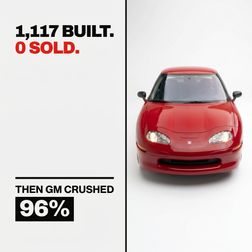
Who killed the electric car? The real GM EV1 story, electric car history, General Motors, compliance cars, and what the EV1 means for electric vehicles today. The GM EV1 was the most advanced electric car of its era, and General Motors crushed it. In this episode of Current Outlook, Eric argues that "Who Killed the Electric Car?" oversimplifies what happened, and that the real reason is far more useful to understand: the EV1 was built to satisfy regulators, not customers. ⏱️ TIMESTAMPS 00:00 Why “Who Killed the Electric Car?” Is the Wrong Question 01:44 The EV1 Begins with a Solar Race 02:48 From the Impact Concept to California’s EV Mandate 04:30 Compliance Products vs. Consumer Products 05:06 Why the EV1 Was Brilliant Engineering 06:16 Battery Range and Charging Limitations 07:28 The Economics That Made the EV1 Unsustainable 08:44 The Truth Behind the EV1 Conspiracy 10:20 GM Never Had to Prove There Was No Market 10:53 The EV1’s Real Legacy 11:54 Why the EV1 Still Matters Today 🔋 YOU'LL DISCOVER ✅ Why the GM EV1 was a compliance obligation instead of a consumer product, and why that doomed it ✅ What the documentary "Who Killed the Electric Car?" gets right and what it leaves out ✅ The real reasons General Motors crushed the EV1, which have little to do with the popular conspiracy theories ✅ How compliance-driven product development still shapes electric cars today ✅ How the engineers and ideas behind the EV1 live on in modern electric vehicles 🚗 THE GM EV1 AND ELECTRIC CAR HISTORY The EV1 is one of the most important chapters in electric car history. General Motors built a genuinely advanced electric car, leased it to a small group of drivers, then took the cars back and destroyed most of them. The documentary framed this as a conspiracy against the electric car. Eric's take is different: when a product exists to satisfy a regulation, nobody inside the company is responsible for making customers want it, and products like that rarely survive. ⚡ WHY THE EV1 STILL MATTERS Electric vehicles are still a small share of the market, and the compliance-first mindset is part of the reason. Automakers that treat electric cars as a rules problem build very different vehicles than the ones that treat them as a product problem. That's the lesson the EV1 left behind, and it's why its engineers went on to shape the EVs we drive now. 👍 Like and subscribe to Current Outlook for weekly EV news, electric car history, and honest analysis of the EV transition. 🔗 LINKS Website: www.current-outlook.com Patreon: https://www.patreon.com/cw/ericbendler LinkedIn: https://www.linkedin.com/company/currentoutlook TikTok: https://www.tiktok.com/@currentoutlook Substack: https://substack.com/@currentoutlook YouTube: https://www.youtube.com/@Current-Outlook Instagram: https://www.instagram.com/currentoutlook Spotify: https://open.spotify.com/show/6nX4rKfa07JnRbUs7QSQG9

The Most Important Electric Car Ever Built

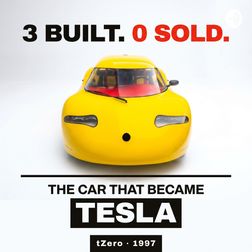
You’ve heard of Tesla, but what about the electric car that changed everything before it even hit the market? In this episode, Eric takes you on an exhilarating journey through the untold story of the T0, the most important electric car that was never sold. Discover why the creators of this groundbreaking vehicle turned down offers from both Martin Eberhard and Elon Musk—twice! You’ll learn about the audacious team at AC Propulsion who defied expectations and built a car powered by 6,800 laptop batteries, achieving 0 to 60 in just 3.6 seconds back in 2003. Eric reveals how this innovative vehicle laid the groundwork for every EV on the road today, proving that electric can be thrilling, not just practical. We break down key insights, including: - The revolutionary use of commodity lithium-ion cells and why they were pivotal for electric vehicles. - The engineering magic behind AC induction motors and the elimination of traditional transmissions. - The cultural shift that transformed electric cars from "penalty boxes" into performance machines that rival gas-powered supercars. This episode isn't just about a car; it's a critical lesson in innovation, timing, and the consequences of missed opportunities. What does the legacy of the T0 mean for the future of electric vehicles? The stakes are high, as we reflect on a moment in history that could have changed the automotive landscape forever. Perfect for automotive enthusiasts, tech innovators, and anyone curious about the electrifying future of transportation, this episode is essential listening. Join us as we unravel the story of the T0 and its far-reaching impact, raising the question: did AC Propulsion make the right call by not going into production? Tune in and find out! #rEVolution #ElectricVehicles #accelerate Book 15-mins to review consulting needs for your business. https://calendly.com/ericbendler/30min Website: www.current-outlook.com Patreon: https://www.patreon.com/cw/ericbendler LinkedIn: https://www.linkedin.com/in/ericbendler TikTok: https://www.tiktok.com/@ekkeman5 Substack: https://substack.com/@ericbendler YouTube: https://www.youtube.com/@Current-Outlook Instagram: https://www.instagram.com/ekkeman Spotify: https://open.spotify.com/show/6nX4rKfa07JnRbUs7QSQG9 0:00 The electric car that changed everything 0:32 The T Zero’s Los Angeles-to-San Francisco run 1:38 AC Propulsion and Alan Cocconi 2:09 From GM’s SunRacer to the EV1 3:12 Building the original T Zero 4:48 The lithium-ion battery breakthrough 6:29 Martin Eberhard funds the conversion 8:05 How the T Zero inspired Tesla 9:47 The T Zero’s lasting EV legacy 11:26 Why AC Propulsion never mass-produced it 12:30 Next: the story of GM’s EV1