
CloudTech Talks

CloudTech Talks

by Amadis Technologies
Season 2
FinOps at Scale: Maximizing Value Through Implementation and Real-time Savings Tracking

This discussion includes, How to differentiate productive vs. unproductive spend and track real-time savings when cloud provider billing data inherently lags by 24–48 hours. Centralized vs. Decentralized FinOps CoE—which model actually works best for large-scale enterprises? How shifting the mindset to unit-cost efficiency is driven by initiatives like hackathons? How the FinOps framework must evolve to handle the unpredictable nature of AI tokens and GPU demand. The single dashboard metric you should be checking every morning to judge the health of your FinOps program. We also had a Rapid-fire session towards the end! Tune in!
Successful FinOps Governance Across Geographies - Proven Strategies

In this episode, Alessandro shared his experience in implementing successful finops practices for a large PayTech company - Nexi. You will hear, Breaking-point that demanded cloud finops Evolution of finops at Nexi from state-zero at Nexi Tips to balance centralized finops poilicies with the local-market agility Gamification practices that helped Nexi Impact of data sovereignity and compliance demand on the cost optimizaiton across the regions Tips that helped onboarding new M&A without disturbing existing finops practices
A Cloud FinOps Success Story: T-Mobile

It's a real finops success story! Hear it all that made T-Mobile to save a huge chunk of cloud expenses. Our Guest - Shalini - FinOps Leader walked through, The key triggers that signaled it was "high time" for a dedicated FinOps culture. Actionable steps that moved them from cloud chaos to visibility Role of tools and dashboards Gamification practices that encouraged the teams Strategies for achieving executive alignment How T-Mobile is positioning its FinOps team for the wave of AI initiatives
Capacity Intelligence: Using Data to Drive FinOps Decisions - Part 2

Part 2 of 'Capacity Intelligence: Using Data to Drive FinOps Decisions' with Rohit Mishra is out to listen! What can you know from the episode? - Collaboration framework for Capacity Intelligence and FinOps teams - Ways to ensure balance between performance and savings - Reliability on AI for detecting/predicting capacity anamolies - State of automation in capacity intelligence and its future
Capacity Intelligence - Using Data to Drive FinOps Decisions
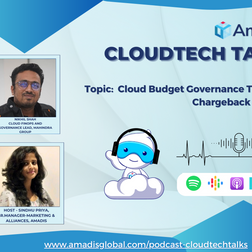
Capacity management has always been essential, but in the era of cloud, we need a smarter approach. The twist? Adding 𝐈𝐧𝐭𝐞𝐥𝐥𝐢𝐠𝐞𝐧𝐜𝐞. Hear it from Rohit Mishra - Head of Cloud FinOps at Avaloq who has genuinely implemented and unfolded multiple benefits in his practice. Key topics covered, - Capacity Intelligence (CI): What is it, and how does it differ from traditional capacity management? - Rightsizing: Why is it often reactive, not continuous? - CI Data: What are the critical sources for a reliable model? - Metrics Correlation: How do we link technical and business metrics? - Savings Example: Real-time example on a direct FinOps decision driven by CI data?
Cloud Budget governance through Charge Back - Part 2
Part 2 of our deep dive into Cloud Chargeback is here! In this episode, Nikhil dives into: The common pitfalls organizations face when implementing chargeback models Actionable strategies to avoid these traps and drive adoption
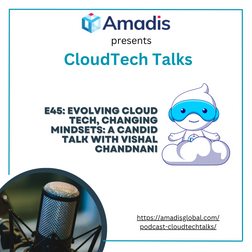
Evolving Cloud Tech, Changing Mindsets: A Candid Talk with Vishal Chandnani
We’re excited to release our next engaging podcast conversation with Vishal Chandnani, VP of Engineering-Prudential Financial, where we explored some of the most pressing and thought-provoking themes in today’s tech landscape. Key topics discussed in this episode include: How technology has evolved over the years—from traditional infrastructure to today’s cloud-native models What are the recurring patterns Vishal has observed during his career journey across industries and transformation programs What’s driving the cloud vs on-prem debate in 2025 Why it’s critical for leaders to look beyond tooling and embrace organizational mindset shifts The growing need for collaboration between business and tech teams to drive lasting change
Cloud Budget governance through Charge Back (Part 1)
At Amadis Technologies, we’re back with another episode of CloudTech Talks—your go-to cloud podcast exploring the latest in cloud management, FinOps, and governance. In this episode, we’re diving into a critical topic for IT and finance leaders alike: Chargeback in the cloud. To unpack this, we’re joined by Nikhil Shah, Cloud FinOps and Governance Lead at Mahindra Group. With 15+ years of deep experience in IT, cloud platforms, and DevOps, Nikhil brings clarity to complex concepts like chargeback vs. showback. Episode Highlights What exactly is chargeback, and how is it different from showback? How can chargeback models support business strategy and innovation? Why is executive buy-in crucial, and how do you handle resistance from business units Key governance frameworks and cost allocation methodologies that work Tune in and discover how to align financial control with cloud agility.
Navigating Multicloud FinOps Complexities in Banking (Part 2)
Continue listening to Part 2 on topic - 'Navigating Multicloud FinOps Complexities in Banking' with Yogendra, DVP, IT, HDFC hosted by Sindhu Priya from Amadis. Takeaways: What metrics or KPIs are critical for measuring FinOps success in a multicloud banking environment? What essential skills or roles should banks prioritize when building a FinOps team for multicloud management? How collaboration paves way for more cloud cost savings in banking sector? what trends or technologies do you foresee simplifying multicloud FinOps complexities in the financial sector?
Navigating Multicloud FinOps Complexities in Banking (Part 1)
In Part 1 of this compelling discussion, Yogendra Gangarade, DVP, IT, HDFC Bank, sheds light on key topics, including: Why are multicloud strategies gaining traction in the banking sector, and what benefits do they offer? What unique challenges do banks face in implementing FinOps across multiple cloud platforms? What role does cost transparency and allocation play in managing multicloud environments effectively? How can banks standardize governance practices, such as tagging policies, across various cloud providers?
1 of 6