The Elephant in the Room "Clear Truth"

The Elephant in the Room "Clear Truth"

by Pastor james E. Alexander Jr
Season 2

"AI and the threats thereof Post Partem and Mental Health and High School Drama"

"Artificial Intelligence and Its Associated Challenges: Navigating Postpartum Mental Health and the Realities of High School Drama" In our rapidly evolving world, the advancements in artificial intelligence (AI) bring both remarkable opportunities and significant challenges. Among those challenges, the impact on mental health—especially for new mothers experiencing postpartum difficulties—deserves our compassionate attention. It’s a deeply transformative time that can come with profound emotional struggles, and the role of technology in these experiences can be complex. Moreover, the societal pressures and intricate social dynamics of high school can weigh heavily on young minds. As we explore the intersection of AI and these important life stages, it is vital to approach the conversation with empathy and understanding. By acknowledging the struggles individuals face, we can foster a supportive environment that prioritizes mental well-being and healthy relationships. Let’s work together to create solutions that recognize and uplift the human experience in this technological age."


OJ Simpson, Willie Earl, Systemic Racism

Bonus
Explicit
In this impactful episode, Pastors James and Regina explore the interconnected stories of two African American men within the justice system: O.J. Simpson and Willie Earl. O.J. Simpson, a celebrated sports icon, became embroiled in controversy following his alleged involvement in a brutal murder, which left a lasting impact on his legacy. In contrast, Willie Earl was a young man who was falsely accused of a crime and tragically lost his life due to racial prejudice, highlighting the severe injustices faced by African Americans within the justice system. The episode also addresses the polarized views surrounding O.J. Simpson's contentious trial and subsequent acquittal. The pastors engage in a thought-provoking discussion about racism in the criminal justice system, echoing the sentiments of Black communities that have historically suffered oppression and abuse by these institutions. They examine how systemic racism has led to manipulated evidence and unjust trials, drawing parallels between Simpson's case and Willie Earl's tragic story. Pastor Regina reflects on her evolving perception of O.J. Simpson and his trial, grappling with mixed feelings: relief that a Black man managed to escape the prevailing racial prejudices and moral uncertainty surrounding the trial's outcome. She also considers how negative incidents often overshadow positive achievements, prompting society to overlook the contributions of these individuals. Pastor James highlights the issue of racial profiling, sharing a recent personal experience with a police officer. He emphasizes that the goal should be equality and unity, rather than segregation.
Season 2

With Him Our Weakness is Made Strong

The phrase "Apostle Paul had a thorn in his side" refers to a biblical concept found in 2 Corinthians 12:7-10. In this passage, Paul speaks about a "thorn in the flesh" that was given to him to keep him humble and reliant on God's grace. The nature of this thorn is not explicitly defined, leading to various interpretations over the centuries. Some suggest it was a physical ailment, a spiritual struggle, or even opposition from others. Paul describes how he pleaded with God three times to remove this affliction but instead received the divine response that His grace is sufficient and that God’s strength is made perfect in weakness. This experience profoundly influenced Paul's teachings and his understanding of suffering, humility, and divine strength. The metaphor of a thorn serves to illustrate how burdens and challenges can lead to personal growth and a deeper reliance on faith. Through his experience, Paul encourages others to embrace their weaknesses, as they can become a source of strength and inspiration. The story serves as a reminder that struggles can enhance our faith and character, enabling us to connect more deeply with others and with God.
Season 1

He got you...

Bonus
Life can throw many challenges our way, and when faced with adversity, it's easy to feel lost or overwhelmed. However, maintaining a deep-rooted belief in something greater than ourselves can provide us with the strength, guidance, and hope needed to navigate through the toughest moments. When we trust in our Creator, we find solace and comfort in knowing that we are not alone. This trust encourages us to embrace resilience, reminding us that there is a purpose and a plan, even when things seem chaotic. It allows us to find peace amidst the storm, giving us the clarity to seek solutions rather than being paralyzed by fear. Moreover, this faith can foster a sense of community and support. Sharing our beliefs can strengthen our bonds with others who share the same values, creating a network of encouragement and love during difficult times. Together, we can uplift one another, reinforcing the idea that we are part of a larger story, one guided by compassion and understanding. Ultimately, if we let go of our trust, we may find ourselves drifting into despair. But by nurturing our connection to our Creator, we empower ourselves to face life's challenges with courage, hope, and unwavering determination. In this way, our faith becomes a source of strength that can carry us through even the most daunting trials, helping us emerge stronger and more united. Creator, there is no way we will make it.

No More Rushed Answers

In last week's show, we explored the complex and often murky boundaries between suicide and homicide, particularly in cases where the motivations behind these tragic events may be rooted in hate or bias. We discussed nine alleged suicides that have raised suspicions of being hate crimes. These cases highlight the troubling notion that some individuals may be driven to take their own lives due to the immense pressure and pain caused by discrimination, bullying, or societal hostility related to their identity—be it due to their race, sexual orientation, or gender identity. Each story we covered reveals not only the personal struggles of the individuals involved but also reflects broader societal issues that can, at times, contribute to an environment where such devastating actions occur. We also examined the challenges law enforcement and mental health professionals face in distinguishing between suicide and homicide in these contexts. The nuances of intent, social factors, and the circumstances surrounding each incident can further complicate investigations and shape how the public perceives cases. In our ongoing discussion, we invite viewers to reflect on how to support vulnerable communities better and address the underlying issues that can lead to such tragic outcomes. We encourage viewers to share their thoughts and insights, as open dialogue is essential in fostering greater understanding and change. hate crimes

Strange Fruit "Unsolved Hangings" What's Going On?

Explicit
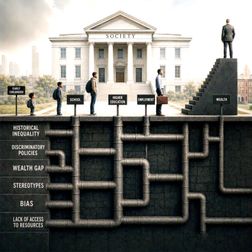
The issue of hate crimes in America is deeply intertwined with the nation's history of systemic racism and violence, particularly against marginalized communities. The legacy of lynching and other forms of racial terror has left an indelible mark on society, shaping perceptions and responses to acts of hate. Historically, the lack of thorough investigations into racially motivated crimes has perpetuated a culture of impunity. Many instances of violence against individuals based on their race, ethnicity, or sexual orientation have gone unpunished, leading to a mistrust of law enforcement and the justice system. This historical context is crucial in understanding the current landscape of hate crimes. In recent years, there has been a growing awareness of the need for comprehensive investigations into hate crimes. Advocacy groups and community leaders are calling for accountability and transparency in how these incidents are handled. The push for better training for law enforcement, as well as the implementation of hate crime legislation, aims to address the systemic failures that have allowed such crimes to persist. Moreover, acknowledging the historical context of hate crimes is essential for healing and reconciliation. By confronting the past and its impact on present-day society, we can work towards a more just and equitable future. We must advocate for thorough investigations and hold perpetrators accountable to ensure that hate crimes are taken seriously and that victims receive the justice they deserve. In conclusion, addressing hate crimes requires a multifaceted approach that considers America's history of systemic racism and violence. Only through honest dialogue and committed action can we hope to dismantle the structures that allow hate to flourish.

The Human Cost of the Bills

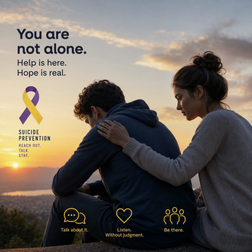
We are confronting a profound and urgent issue: the intricate link between the economy and the rising rates of suicide. It is a stark reality that economic hardship can lead individuals into dark places, igniting feelings of hopelessness and despair. When we see communities struggling to make ends meet, we must recognize the emotional toll this takes on our friends, family, and neighbors. It is time for us to unite and take a powerful stand against this silent epidemic. We must turn our collective outrage into a call to action, advocating for mental health resources, economic support, and community programs that uplift and empower those in need. Let us not stand idly by while others suffer; together, we can forge a path towards healing and hope, ensuring that every person knows they are valued and that brighter days are possible.

Food Safety Crisis

When the systems designed to protect us fail, the consequences are not just minor inconveniences; they pose a direct threat to public health, safety, and economic stability. A drastic reduction in funding and staffing for food safety measures directly leads to compromised inspections and oversight, resulting in a surge of foodborne illnesses that undermine consumer confidence and endanger lives. This negligence has a cascading effect on farmers and producers who depend on a reliable system to market their goods, exposing them to financial ruin and increased regulatory burdens. Moreover, marginalized communities, already vulnerable, face the harshest repercussions as safety nets erode, amplifying existing inequalities and hardships. We must recognize the critical importance of adequately supporting these protective systems; failing to do so is not merely a bureaucratic oversight—it is a reckless abandonment of our responsibility to safeguard public welfare.

The price we pay

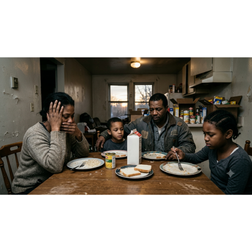
As prices soar and the cost of living continues to rise, it feels like we are in a constant state of anxiety about our finances. Families are struggling to make ends meet, with essential expenses like gas, groceries, and housing all becoming increasingly burdensome. The impact of rising gas prices, for instance, reverberates throughout the entire economy, affecting everything from transportation costs to the price of goods we rely on daily. Many hardworking Americans are faced with the tough decision of cutting back on necessities or sacrificing small luxuries just to keep up with these escalating expenses. It seems like no matter how carefully we budget, the numbers just don’t add up anymore. Moreover, there’s a growing frustration that those in power appear disconnected from the realities many citizens face. There is a perception that this current administration is indifferent to the struggles of everyday people. Instead of proactive measures to alleviate these burdens, it often feels like they prioritize other agendas, leaving families to navigate these financial hardships on their own. As a nation, we are looking for leadership that acknowledges these issues and actively seeks solutions rather than ignoring the pain felt by so many. Our leaders must listen to the voices of their constituents and take meaningful action to address these pressing concerns. The need for transparency, accountability, and genuine empathy has never been more apparent. We deserve better.

Prison on Training Wheels: From The School House to The Jailhouse

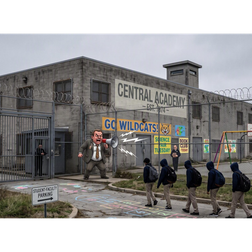
The term "prison on training wheels" poignantly captures the troubling reality that many young people face in the educational system today. As we observe the daily struggles within our schools, it becomes imperative to ask ourselves: what are we really doing to support our children’s growth and development? Are we equipping them with the tools they need to thrive, or are we inadvertently setting them on a path that leads to a dead end—a journey from the schoolhouse to the jailhouse? The statistics surrounding youth incarceration are alarming. Many young minds are being funneled into a system that often feels more punitive than educational. Disciplinary policies, zero-tolerance measures, and a lack of support can transform learning environments into breeding grounds for failure. Students who misbehave or struggle academically are often met with harsh consequences instead of compassion and understanding. This begs the question: why are we just standing by and watching as our children’s lives are derailed? It’s essential to recognize that the roots of this issue lie in systemic failings. Underfunded schools, overcrowded classrooms, and inadequate mental health support contribute to a cycle of despair. Teachers, though dedicated and passionate, are often overwhelmed and unable to provide the attention that each child deserves. As a society, we must confront these uncomfortable truths and advocate for change because our children's futures hang in the balance. Each child is a reflection of hope and potential. Instead of preparing them for lives of confinement and restriction, we should focus on fostering resilience, creativity, and critical thinking skills. We need to invest in restorative practices that heal and educate rather than punish. By creating inclusive, supportive environments, we can help our students flourish and break the cycle that too many find themselves trapped in. As we stand at this crossroads, it is crucial to engage in conversations about reform and to look beyond punitive measures. Let's envision a future where our schools are not mere pathways to jail but gateways to brighter futures. A future where every child is given the chance to succeed, to learn from their mistakes, and to grow into the adults we hope they can be. It’s time to act—to demand change and nurture our youth so that they’re not just surviving but thriving. Lives destroyed?
1 of 2