Circular Supply Chain: 17 Common Questions

Circular Supply Chain: 17 Common Questions
by Deborah Dull

7. What do smaller circles mean for my supply chain?
Moving to a circular model means shifting from a one-time sale to an ongoing relationship with products. This episode explores four key operational changes: the point of sale becomes just the beginning, repair overtakes building new, the crucial metric shifts from inventory turns to asset utilization, and wait times shrink dramatically. Discover how smaller, tighter loops create faster, more efficient, and more profitable operations.

6. Where can I get circular materials?
Sourcing circular materials isn't a distant dream—it's happening now. This episode uncovers six practical sources, from harvesting waste in your own operations and trading with neighboring supply chains, to tapping into commodity markets and even mining landfills. Discover how to find the materials that will build your resilient, circular supply chain.

5. What is a circular material?

This episode breaks down the five lifecycle stages—from simple reuse to complex recycling—that determine how materials circulate through our supply chains. Discover why keeping materials in the smallest, most valuable loop is the key to building truly circular operations and how to think about the inputs that power them.

4. Why should we use circular supply chains?
This episode dissects the five powerful advantages of circular supply chains, exploring how it's about more than just sustainability and has the potential to be a superior operational model.

3. How is this different from today?

This episode explores the four fundamental shifts from linear to circular supply chains: from inventory turns to asset utilization, virgin materials to reused inputs, waste streams to value streams, and siloed operations to interconnected ecosystems. This is a complete operational redesign for lasting value.

2. What does supply chain have to do with a circular economy?
The circular economy goes beyond recycling. This episode breaks it into six key parts—Materials, Business Models, Operations, Markets, Strategies, and Circular Supply Chains—and shows how they connect to create a value-driven system.

1: Why are we talking about this?

Our first episode breaks down why the linear economy is a dead end and why a circular model is the necessary evolution for resilient, profitable, and sustainable supply chains.

A Welcome Message from Deborah

Trailer
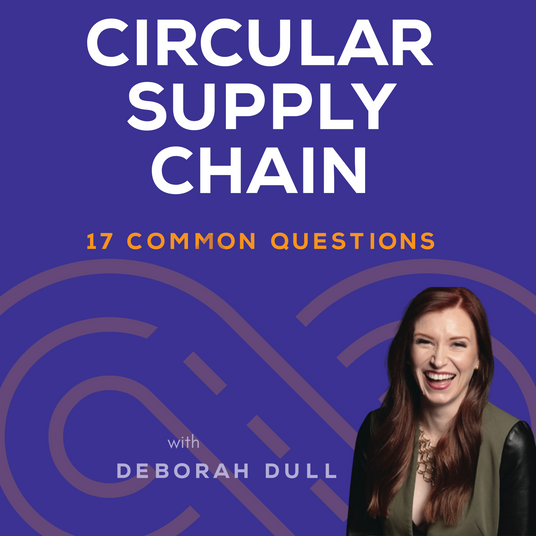
Deborah welcomes you to the podcast adaptation of her book Circular Supply Chain: 17 Common Questions.
2 of 2