Barbells, Babies, and Bladders

Barbells, Babies, and Bladders

by Mbong Henry
Season 1

05: PRs and Pee: Talking Pelvic Floors with Active Women

Explicit
This episode offers a warm, approachable introduction to pelvic floor dysfunction—what it is, how it can show up, and why support should always be personalized. Dr. Mbong Henry of Radiance PT breaks down common symptoms, explains how different concerns can overlap, and shares a reassuring client story about rebuilding confidence through individualized care. Whether you’re experiencing leakage, pain, constipation, pressure, or changes in movement, this conversation is a reminder that you’re not alone—and that help is available. Together, we explore a whole-person approach that looks beyond symptoms and supports you in feeling more comfortable and confident in your body. Key topics Pelvic floor dysfunction is an umbrella term for several concerns, not one specific diagnosis. The four main areas discussed are bladder, bowel, pain, and prolapse. Bladder symptoms can include leakage, urgency, and frequent trips to the bathroom. Bowel symptoms may include constipation, accidental gas, and bowel leakage. Pain can affect intimacy, orgasm, the vulva, tailbone, low back, or pelvis. Pelvic floor concerns can affect people with male-presenting bodies as well. Prolapse may feel like heaviness or pressure in the pelvis. Symptoms often overlap, so care should be tailored to the individual. Mbong Henry emphasizes treating the whole person—not just one symptom. A client story highlights how personalized exercise and emotional support can help restore confidence in everyday activities. The conversation encourages listeners not to dismiss pelvic floor symptoms as something they simply have to live with. With the right support, people can reconnect with their bodies and return to the activities they enjoy. Connect with Dr. Mbong Henry www.RadiancePT.com www.instagram.com/mbonghenry.dpt Resources: Free: Birth Prep for Active Moms Free: Postpartum Running Guide from Radiance PT

03: 99 Problems but Butt Pain ain't One - My journey as a Postpartum Runner

Explicit
Episode 03: 99 Problems but Butt Pain ain't One - My journey as a Postpartum Runner How I Got Into Pelvic PT: My Postpartum Return to Running Story This episode is a personal, first-person story about pregnancy, postpartum recovery, and the long road back to running and fitness after having kids. Dr. Mbong shares how her own experience with pelvic pain, limited support, and unfinished postpartum recovery led her into pelvic floor physical therapy and a deeper commitment to helping active moms.If you’re navigating postpartum fitness, returning to running, or wondering whether pain and recovery have to be “just part of it,” this episode offers a realistic and encouraging perspective on what support can change. Key topics Dr. Mbong explains how her background as an already-active runner and gym-goer shaped her expectations for pregnancy and postpartum recovery. In this episode, she reflects on how little guidance existed at the time for postpartum return to running and how “just bounce back” was treated as normal advice. Dr.Mbong describes getting help from a runner-focused physical therapy colleague and later a pelvic floor PT, which helped her understand the role of pelvic floor tension and recovery capacity. Dr. Mbong shares the lesson that postpartum recovery is not only about exercise, but also sleep, nutrition, support, community, and asking for help. Connect with Dr. Mbong Henry www.RadiancePT.com www.instagram.com/mbonghenry.dpt Resources: Postpartum Mental Health Resources: https://postpartum.net/ Free: Postpartum Running Guide from Radiance PT Guidelines for Exercise in Pregnancy & Contraindications to Exercise

04: Erin Mena, CrossFit + Oly Weightlifting Coach on coaching & rebuilding strength after baby

Explicit
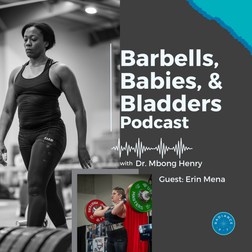
Episode 04: Erin Mena, CrossFit and Oly Weightlifting Coach on coaching, postpartum training, and rebuilding strength after baby Erin Mena shares how she moved from a non-athletic background into CrossFit coaching, motherhood, and competitive weightlifting. The conversation centers on postpartum return to training, balancing motherhood with performance, and why recovery matters as much as the workout itself. Episode Takeaways 🎙️ "It's not about getting your body back — it's about getting yourself back." In this episode, Erin opens up about what really happens when you try to rebuild strength (and identity) postpartum. A few of the biggest takeaways: 1. Postpartum fitness isn't just physical — it's identity work. Getting back into the gym isn't only about rebuilding strength. For a lot of women, it's about reconnecting with who they were before motherhood reshaped everything. Erin shares how coaching again became a way to reclaim her own sense of self. 2. The slow comeback is the smart comeback. Rushing back to your old numbers is a setup for injury. Erin walks through why she stripped everything back to basics — strict pull-ups before kipping, lighter loads, single-limb work — and why that "step back" was actually the fastest way forward. 3. Recovery isn't optional — it's part of the program. Sleep, food, and stress aren't background noise to training; they're what makes training actually work. Erin gets real about what it took to fuel her body while breastfeeding and training hard at the same time. 4. You don't need perfect conditions — you need consistency. Erin's philosophy: have a non-negotiable minimum, not a perfect ideal. Whether it's training between clients or folding accessory work into a warm-up, she shows how "good enough, consistently" beats "perfect, occasionally." 🔥 A must-listen for any mom, athlete, or coach trying to figure out how to show up for training and for life. Connect with Erin at www.theFitlabstudios.com

02: Getting Back to Exercise Postpartum

Here are brief episode notes for Episode 2: Episode 2: Getting Back to Exercise Postpartum Whether you're trying to conceive, currently pregnant, or postpartum and wondering why "cleared for exercise" doesn't feel like enough — this episode is for you. Dr. Mbong Henry breaks down why doing too much too soon is one of the biggest drivers of postpartum injury, what the research says about minimizing deconditioning during pregnancy, and the Canadian guidelines on safely rebuilding activity in your first year postpartum. Plus: a mindset shift for anyone stuck in a season of waiting — an injury, fertility challenges, morning sickness, or the newborn haze In this episode: Why exercising through pregnancy lowers your risk of gestational diabetes, preeclampsia, and C-section The "confirmation bias" trap that leads to postpartum injury The Canadian postpartum physical activity guidelines (120 min/week, 4 days) How exercise protects mental health, pelvic floor function, and long-term disease risk Resources: Free: Postpartum Running Guide from Radiance PT Guidelines for Exercise in Pregnancy & Contraindications to Exercise 2025 Canadian guidelines for physical activity, sedentary behaviour and sleep throughout the first year post partum

01: Why Barbells, Babies, and Bladders?

In this episode of 'Barbells, Babies, and Bladders', Dr. Mbong Henry introduces the intersection of women's health and fitness, focusing on pelvic floor issues that many women face during various life stages. She emphasizes the importance of a holistic approach to health, addressing the misconceptions surrounding strength training and pelvic floor health. The episode aims to empower women to understand their bodies better and to seek appropriate strategies for maintaining strength and fitness without compromising their health. Takeaways: Leaking during exercise is common but not normal. A whole system approach is necessary for pelvic floor issues. Women often feel they must choose between strength and health. Pelvic floor health is crucial for all women, not just postpartum. One in three women experience leakage with exercise. It's important to assess individual circumstances regarding leakage. Strength training can be safe and beneficial for pelvic floor health. Education on pelvic floor issues is often lacking in fitness culture. Women should not feel ashamed of pelvic floor concerns. The podcast aims to provide evidence-informed guidance for women.