Erna Podcast: Unfiltered Conversations

Erna Podcast: Unfiltered Conversations

by Erna JUlien

NC GOD INC – A New Chapter of Hope for America

NC GOD INC asserts that it takes a different approach to homelessness than established organizations. Instead of focusing on “getting grants and ticking boxes,” NC GOD INC emphasizes putting “action behind our words.” [1] This includes partnering with organizations like CareerSource to provide educational and vocational training to help people experiencing homelessness develop skills to “get back on their feet.” [1] The organization argues that the millions of dollars raised by large organizations have failed to solve the problem of homelessness. [2] NC GOD INC claims that its approach will provide “real, tangible change” by building homes, providing job training, and empowering people to improve their lives. [3] They believe this constitutes "true charity" by prioritizing people over profits. [3] NC GOD INC frames itself as a movement guided by “biblical principles” to provide opportunities for a brighter future for all Americans. [3] They believe that America should take care of its own people first. [2] NC GOD INC appeals to potential donors to “give someone else a chance” and “invest in a new chapter” by supporting their organization. [2]

Reviving Henry River Mill Village IN NORTH CAROLINA

This podcast episode focuses on revitalizing Henry River Mill Village in North Carolina. Here’s a summary of the host’s vision and how listeners can help: Reviving Henry River Mill Village The host, Marie Julien, is the fundraising organizer for NC GOD INC, a non-profit organization that wants to purchase Henry River Mill Village. [1] They intend to repurpose the village to create a community that provides safety, support, and stability. [2] The Vision Creating Homes: The existing structures in the village will be repurposed to provide affordable housing, especially for less fortunate Americans and immigrants. [2, 3] Job Opportunities: Revitalizing the village will create jobs, with a focus on training and employment for those in need. [3] Local businesses and sustainable industries will be developed to empower individuals to thrive and contribute to the community. [3] Building a Supportive Community: The village will be more than just homes and jobs; it will be a supportive environment. [4] The plan is to offer programs that promote education, mental health support, and social integration. [4] Embracing Diversity: Immigrants will be welcomed to enrich the community with diverse experiences and cultures. [4] The Need Millions of people in the United States struggle to find stable housing. [5] The project aims to provide not just shelter, but a sense of belonging and a safe haven. [5] The host stresses the urgency of action, stating that families struggle daily with uncertainties that the project can help alleviate. [6] How to Help The host outlines several ways listeners can contribute to this transformative project: Direct Donations: The host emphasizes that every dollar counts, and even small contributions can help them reach their fundraising goals. [6] Listeners are encouraged to make one-time or recurring donations. [6] Sponsorship Opportunities: Businesses or individuals looking to make a larger impact can choose from available sponsorship packages. [6] In return for their generosity, sponsors will have their name or logo featured in marketing materials, providing visibility while supporting the cause. [6] Crowdfunding Campaigns: The host suggests creating a crowdfunding campaign to highlight their mission and invite people to support them. [7] Compelling stories about the individuals and families they aim to help will be shared to make it personal and relatable. [7] Social Media Engagement: Listeners are encouraged to share the vision on their social media platforms, using hashtags, posting about the mission, and encouraging friends and family to get involved. [7] Community Events: Listeners can host fundraising events such as bake sales, fun runs, or charity auctions in their community. [7] Partnerships with local businesses can sponsor these events and raise awareness. [7] Volunteer Opportunities: Individuals can offer their time and skills to help with outreach, marketing, or organizing fundraising events. [8] Conclusion Purchasing Henry River Mill Village is about creating a legacy of hope and change. [9] The goal is to transform the ghost town into a vibrant community that provides homes, jobs, and a better future for those in need. [9] The host encourages listeners to visit their website or reach out to them directly if they want to help. [9]

Gym Fails Hilarious Stories from the Fitness Trenches

The phrase "Gym Fails: Hilarious Stories from the Fitness Trenches" suggests a podcast that invites listeners to share funny stories about gym mishaps. [1] The podcast aims to use humor to examine how fitness culture can sometimes go wrong in amusing ways. [1]

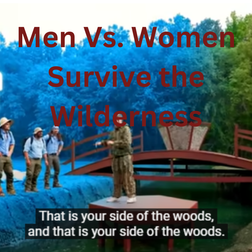
Men Vs. Women Survive the Wilderness for $500,000 Mr.Beast

Comparing the Strategies of the Men's and Women's Teams Your previous request asked for a summary of the video, "Men Vs. Women Survive the Wilderness for $500,000." Your current request seems to be asking for a deeper look into the strategies used by the two teams. The women's team seemed to approach the challenge with a focus on long-term planning and resource management. This is evident from the beginning. On day three, the women discuss the need for rationing and self-elimination [1]. By day ten, they execute this strategy, sending Hannah home to increase the remaining team members' chances of winning [2]. This early strategizing allowed them to conserve their resources and gain an advantage, as seen in their enjoyment of a plentiful meal after winning the first challenge while the men struggled with their dwindling rations [3]. The women's strategic approach extended beyond food and included prioritizing shelter. Their focus on building a sturdy shelter is evident in their efforts as early as the first night [4, 5]. This proved to be a wise decision as they remained dry and comfortable during a massive storm that left the men's camp soaked and miserable [6]. The men, in contrast, seemed less focused on long-term strategy and resource management. Initially, they prioritized entertainment and shelter-building, but they did so without considering the long-term implications. For example, they quickly constructed a shelter using the first twigs they found, while the women took the time to build a more durable and weather-resistant structure [4, 5]. Their lack of rationing and early strategic planning put them at a disadvantage, as their food supply ran low much faster than the women's [7]. While both teams experienced moments of discouragement and considered quitting, the men's reasons differed from the women's. The women's decisions to leave were primarily strategic, aiming to maximize their team's chances of winning by increasing the remaining members' food supply. The men's departures were more often driven by individual hardship, such as sleep deprivation [8], a loss in a challenge [9], or fear after a bear encounter [10]. In the end, the women's early and consistent strategic approach, which emphasized resource management, long-term planning, and teamwork, proved to be the winning formula.
12 of 12