AITASIT - Crono Project

AITASIT - Crono Project

by AITASIT
Season 5

Implementare un SGSI secondo lo standard ISO/IEC 27001

Implementare un SGSI secondo lo standard ISO/IEC 27001

Introduzione ai database relazionali
Introduzione ai database relazionali

TSRM e Telegestione
TSRM e Telegestione

Regolamento Europeo sui dispositivi medicali
Regolamento Europeo sui dispositivi medicali

Barriers to Innovation, Brand Love and Continuing Intention in the Use of Telemedicine Apps: An Emerging Market Study
The use of telemedicine apps has increased dramatically, particularly during the COVID-19 pandemic. Global telemedicine revenues are estimated to reach $460 billion by 2030. Despite this growth, the uptake of these apps is still limited due to specific barriers that lead individuals to resist using them.

OAD Report 2024

Systemic digital insecurity continues in 2023, impacting the entire world, including Europe and Italy. ● Despite significant investments in security measures, cyberattacks continue to be widespread. ● Current solutions require strengthening and integration with resilience policies for entire organizations and their information systems. ● Business continuity is essential for companies, while an effective, actionable, and tested Disaster Recovery plan is crucial for ICT. ● The number of attacks detected, alarms issued, investigations initiated, and individuals reported/investigated decreased slightly in 2023 compared to 2022, but remain significantly higher than in the years before 2022. ● The majority of responding organizations have good levels of physical, organizational, and management security, likely due to organizations with low security levels choosing not to complete the optional section on security measures. ● Small organizations face more widespread shortcomings, particularly in organizational aspects, and often rely on third-party services for managing digital security. ● While the information systems of responding organizations generally exhibit high levels of implemented technical and organizational security measures, they have still experienced numerous digital attacks with significant impacts in terms of service disruptions and costs.

Position Paper on Healthcare System Administrator
AITASIT's aim with this document is to provide a foundational framework for companies constructing increasingly intricate organisational models. These models should clearly define functional roles that align with professional development principles. The growing disparity between strategic leadership and operational staff presents an opportunity for professional growth and organisational innovation. This is particularly relevant in multidisciplinary contexts undergoing rapid change. This document underscores the importance of such a framework in designing modern organisational structures capable of positioning qualified healthcare professionals in strategic roles. This necessitates a reference model that addresses the complexities of managing diverse teams. Such a model should acknowledge the training and experience of professionals, while also implementing evaluation systems that promote equity and potential development. In complex healthcare organisations, a well-structured evaluation process can be a powerful tool for cultivating intellectual capital. This aligns individual and collective interests and fosters the growth of multidisciplinary teams, a cornerstone of contemporary organisations.

Italy makes the most in Challenges of Telemedicine in Radiology

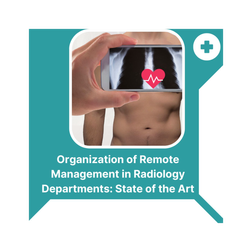
The document, "Organization of Remote Management in Radiology Departments: State of the Art," explores the evolving landscape of teleradiology in Italy, particularly focusing on the role of the Radiology Technician (TSRM) in remote management (telegestione). * Telemedicine is defined as providing healthcare services using Information and Communication Technologies (ICT) when the healthcare professional and the patient are in different locations. The COVID-19 pandemic accelerated the adoption of telemedicine, highlighting its potential to improve healthcare processes and efficiency. The Italian Ministry of Health issued national guidelines for telemedicine services, emphasizing its complementary role to traditional healthcare practices. * Teleradiology is a prominent form of telemedicine, leveraging digital imaging and remote image transmission and consultation. Telemanagement is an operational modality of teleradiology, where the TSRM, present at the examination site, performs the procedure without the physical presence of the radiologist, who can communicate remotely in real-time. The document emphasizes the *legal framework** governing the TSRM profession and their scope of practice, highlighting their autonomy and responsibilities. The TSRM is recognized as the person in charge of radiation protection, possessing specific competencies and being entrusted with X-ray equipment. The *TSRM's Code of Ethics** guides their professional conduct in telemanagement, emphasizing evidence-based practice, continuous professional development, and patient information and consent. The principle of *justification in medical exposures** is crucial, ensuring that any radiation exposure is justified based on potential benefits outweighing risks and considering alternative techniques. The document discusses direct justification by the radiologist and justification through protocols or algorithms. * Written procedures, protocols, and guidelines are essential for ensuring radiation protection and defining professional responsibilities. These tools help to standardize practices and reduce the risk of professional liability. The document addresses the *legality of the TSRM performing procedures without the physical presence of the radiologist**, citing legal precedents and Ministry of Health clarifications. The emphasis is on the radiologist's availability or accessibility rather than physical presence. The document advocates for *viewing teleradiology activities within a system and organizational dimension**, highlighting its potential in improving healthcare access and equity. Digital healthcare facilitates multidisciplinary collaboration, reduces unnecessary patient transfers, and optimizes resource utilization. The document provides *operational suggestions** for implementing telemanagement, including: * Developing or updating operational protocols based on current regulations, scientific literature, and best practices. * Clearly defining roles and responsibilities for all involved professionals. * Establishing a reliable technological infrastructure, including secure data transmission networks, updated information systems, and easy connectivity for all stakeholders. * Monitoring all aspects of the process to evaluate performance and ensure quality and safety. * Defining necessary documentation and forms for privacy, data transmission, and pregnancy exclusion.
Season 2

Road to Exposanità 2026 - Il nuovo sistema operativo del welfare italiano
Guida ai Sistemi Multi-Agente: Collaborazione e Intelligenza Collettiva

Road to Exposanità 2026 - La Cartella Sociale Informatizzata - Vision e CDG a confronto

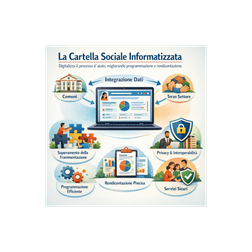
Primo podcast della serie "Road to Exposanità" Insieme agli esperti e alle voci dei territori, esploreremo i vantaggi della dematerializzazione: dalla gestione di un’anagrafe utente sempre aggiornata alla possibilità di accedere alla documentazione in ogni luogo, un aspetto che si è rivelato vitale durante il periodo del lockdown. Affronteremo però anche le sfide e le resistenze professionali, riflettendo su quel "paradosso" per cui uno strumento così utile fatica a volte a entrare nella quotidianità operativa a causa di carichi di lavoro eccessivi o timori legati alla complessità del linguaggio informatico. Il cuore di questa riflessione sarà il passaggio dalla cartella come semplice "diario" a strumento strategico di analisi: vedremo come i dati, se correttamente inseriti e anonimizzati, permettano di fare una programmazione coerente delle politiche sociali, trasformando il lavoro dei singoli operatori in un patrimonio informativo comune per tutto il territorio.
2 of 4