Addiction - Not a Moral Failing

Addiction - Not a Moral Failing

by Selenius Media
Season 1

Recovery is a System

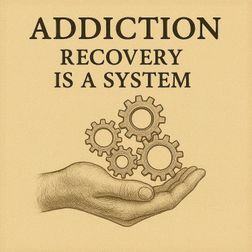
People don’t recover in programs—they recover in systems. This episode blueprint a recovery ecosystem: same-day access to medications, peer navigators who bridge trust, housing that stabilizes routines, and employment pipelines that turn survival into structure. Recovery housing, low-friction benefits, and pro-social belonging transform chaos into habit. When services are fragmented, people churn in and out of crisis; when connected, recovery becomes durable. We show what it takes to replace slogans with scaffolding, and why every missing piece is a door that slams shut. By Niklas S. Osterman BHPRN, MA Addiction Specialist

The Synthetic Era

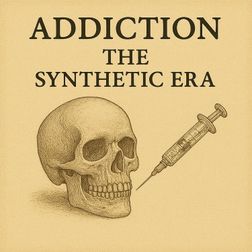
Illicit fentanyl has transformed the landscape of risk. Its extreme potency, counterfeit formulations, and volatile supply chain turn dependence into a gamble where every dose could be the last. We map how fentanyl spread from labs to street corners, why counterfeit pills exploded across North America, and how the odds shift when naloxone, test strips, and same-day medications are available. But availability is not enough—delivery systems must be designed to meet people where they are, when they need help most. Without that, every swallow, every injection, remains Russian roulette. By Niklas S. Osterman BHPRN, MA Addiction Specialist

The Pain Revolution

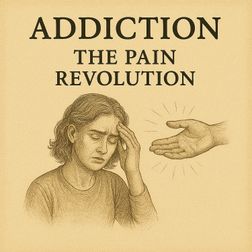
In the 1990s and 2000s, a campaign to correct undertreated pain changed medicine. Clinicians were told pain was the “fifth vital sign,” metrics demanded its eradication, and powerful analgesics were promoted as low risk. The result: expanded access without safeguards, dose escalation without structure, diversion without oversight. What began as relief became dependence, poisoning, and death. This episode traces how good intentions met perverse incentives, how policy and profit intersected, and why true relief requires more than prescriptions—it requires systems that balance compassion with control. By Niklas S. Osterman BHPRN, MA Addiction Specialist

Punish or Heal

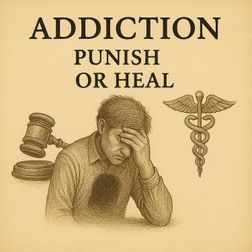
For decades, policy favored punishment over healing. From crack-era laws to “zero tolerance,” governments built enforcement-heavy systems that filled prisons while leaving demand untouched. This episode examines how deterrence failed: supply adapted, markets shifted, and harm multiplied. Meanwhile, treatment and harm reduction proved what punishment could not—reduced death, improved safety, restored lives. We explore the choice societies still face: criminalize people for the substances they use, or design systems that address why use begins and why it persists. The war on drugs was never a war on molecules—it was a war on communities. By Niklas S. Osterman BHPRN, MA Addiction Specialist

The Void and the Brain

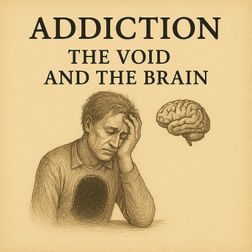
Addiction is not a mystery of weak character; it is the brain responding to absence. Trauma, neglect, and unmet needs carve out voids—of safety, attachment, or meaning—into which substances fit perfectly. We map the circuitry: reward systems, learning loops, and stress responses that cement behavior into compulsion. Trauma changes prediction, making relief the brain’s highest priority. Recovery becomes not an act of repentance but of redesign—restoring environments that provide connection, stability, and belonging. The science does not dismiss the pain; it explains why the grip feels unbreakable, and why systems, not slogans, are required to release it. By Niklas S. Osterman BHPRN, MA Addiction Specialist

Temperance: The First Culture War

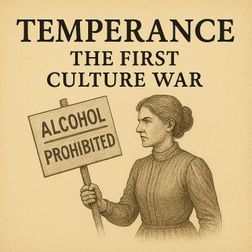
In the early 1900s, temperance promised to rescue society from the bottle’s grip. Instead, it sparked America’s first culture war, a battle waged in pulpits, parliaments, and saloons. We follow how good intentions met incentives: bans gave rise to black markets, moral campaigns birthed organized crime, and laws meant to heal communities often punished them. Prohibition’s collapse revealed more than policy failure; it showed how deeply entwined intoxicants were with culture, commerce, and control. The lesson endures: bans without systems create shadows darker than the problem they sought to solve. By Niklas S. Osterman BHPRN, MA Addiction Specialist
From Sacrament to Commodity

Ritual gave way to marketplace. In ancient times, intoxicants carried symbolic and spiritual meaning—wine poured for gods, hallucinogens shared by shamans, sacred plants used to bridge the human and divine. Over centuries these same sacraments became commodities: measured, taxed, traded, and exploited by powers that saw not holiness but revenue. We explore the transformation of the sacred into the profitable, from Mesopotamian beer rations to medieval monopolies, and how commerce changed the meaning of intoxication itself. In the process, society began treating altered states not as mysteries but as products to be consumed, controlled, and sold. By Niklas S. Osterman BHPRN, MA Addiction Specialist
Naming the Hunger

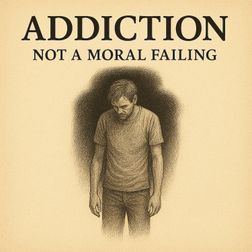
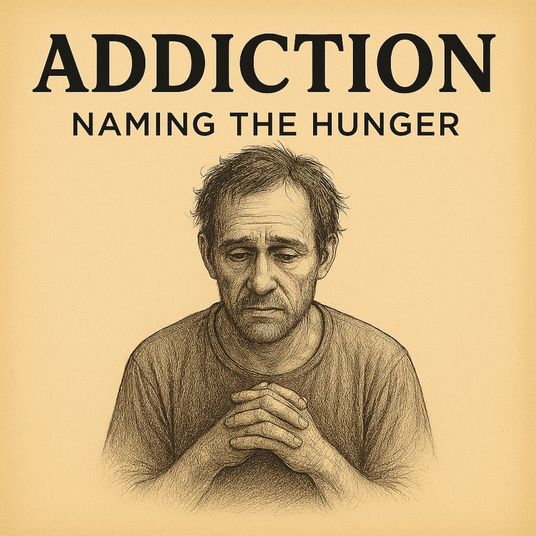
Addiction is older than morality. Long before psychiatrists and courts defined it, people sought solace and transcendence in plants, potions, and fermented drinks. This episode challenges the myth that addiction reflects weakness or lack of willpower. Instead, it shows how communities across cultures understood intoxication as part of life—sometimes sacred, sometimes destructive. We trace how modern society reframed this ancient impulse as sin, defect, or crime, ignoring both science and history. Addiction is not a moral failing. It is a human reality, demanding compassion, context, and clarity. By Niklas S. Osterman BHPRN, MA Addiction Specialist
2 of 2