Season 2

How We Digest: Inside the Body's Food Processing System
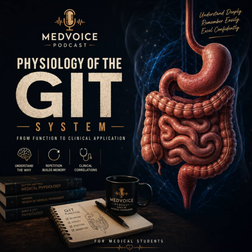
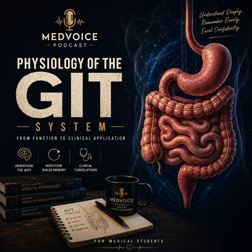
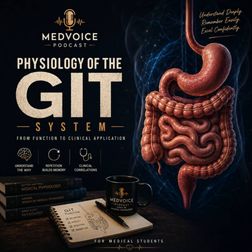
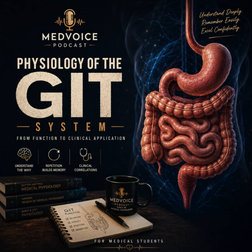
In this episode, we take a deep dive into the microscopic powerhouse of the upper gastrointestinal tract: the cellular mechanisms driving saliva production and gastric acid secretion.We break down the two-stage model of salivary dynamics, detailing how autonomic control shifts salivary composition and mobilizes built-in antimicrobial defenses. From there, we journey into the stomach to examine the remarkable bioenergetics of parietal cells—exploring the H + /K + ATPase proton pump, the mechanics of the "alkaline tide," and the vital role of Intrinsic Factor in preventing pernicious anemia. Finally, we unpack the tight hormonal signaling cascade governing acid regulation—gastrin, histamine, and somatostatin—and how the gastric mucosal gel barrier protects the stomach from digesting itself. Whether you are prepping for clinical exams or refreshing your core physiology, this episode offers a clear, high-yield walkthrough of the body's most impressive chemical factory. Key Takeaways: Salivary Dynamics: The functional differences between serous and mucous glands, flow-rate physiology, and primary vs. secondary ductal modifications. Gastric Bioenergetics: How parietal cells generate a massive hydrogen ion concentration gradient and the role of carbonic anhydrase. Regulation & Defense: The feedback loops of gastrointestinal hormones and the prostaglandins safeguarding mucosal integrity.The Autonomous Factory: Understanding GI Motility
In this episode, we follow the journey of a meal through the gastrointestinal tract, exploring the electrical rhythms, neural circuits, and coordinated muscle activity that drive digestion.By connecting normal physiology with clinical conditions such as diabetic gastroparesis, achalasia, and Hirschsprung disease, we reveal how the enteric nervous system, hormones, and specialized pacemaker cells work together to keep the gut functioning. Through medical science, clinical insight, and memorable analogies, this episode uncovers the hidden mechanisms that power digestion every day.The Intelligent Gut: Understanding How Digestion Really Works
The gastrointestinal system is far more than a simple digestive tube—it's a highly coordinated network of muscles, nerves, hormones, and specialized cells working together to extract energy, regulate appetite, and maintain whole-body health. In this episode, we take a deep dive into the remarkable physiology of the gut, exploring how food moves through the digestive tract, how the enteric nervous system operates as the body's "second brain," and how key hormones orchestrate digestion, absorption, and metabolism. Along the way, we connect foundational concepts to real-world clinical conditions and modern therapies, revealing the elegant biological engineering behind one of the body's most complex systems.Introduction to Gastrointestinal Physiology
In this first episode of our Gastrointestinal Physiology series, we explore the fundamental principles that make digestion possible. From the "inside is outside" concept and hunger regulation to the structure of the gut wall, the enteric nervous system, and gastrointestinal reflexes, this episode builds the foundation you'll need to understand the rest of GI physiology.Season 1
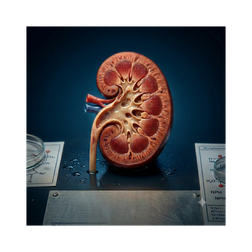
The Hidden Mechanics of Renal Physiology (long version)
Renal physiology explained as a system of pumps, pipes, and pressure. This episode breaks down how the kidney regulates water, electrolytes, and blood pressure using surprisingly elegant biological engineering.Acidification of urine (Acid-base balance) long version
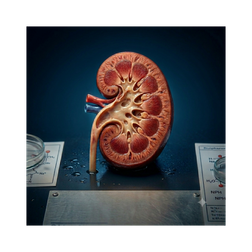
This episode explores the mechanisms of renal acid-base regulation and its clinical significance. We break down how the proximal tubule and distal intercalated cells manage hydrogen secretion, bicarbonate restoration, and acid elimination via phosphate and ammonia handling.Acidification of urine (acid-base balance) short version
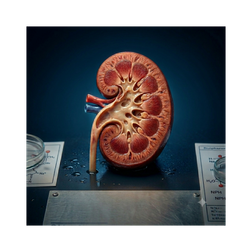
This episode explores the mechanisms of renal acid-base regulation and its clinical significance. We break down how the proximal tubule and distal intercalated cells manage hydrogen secretion, bicarbonate restoration, and acid elimination via phosphate and ammonia handling.