What Makes Up Your Mind

What Makes Up Your Mind

di the Department of Psychiatry and Behavioral Sciences, Stanford University School of Medicine
Stagione 1

Youth Mental Health and allcove, with Dr. Steven Adelsheim

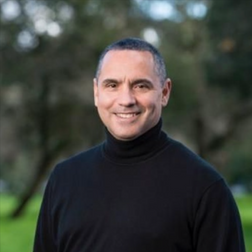
Much attention has rightly been given to the mental health of American children and youth since the COVID-19 pandemic upended their educational and social wellbeing. However, long before the virus hit, alarms were going off over the mental health condition of our adolescents and young adults. As you’ll hear from our guest in this episode of What Makes Up Your Mind, Stanford Psychiatry Clinical Professor Dr. Steven Adelsheim, research shows that half of all mental health conditions start by age 14, three quarters by age 24, but many go undiagnosed. Further, often when a condition is identified, Dr. Adelsheim explains there aren't enough qualified caregivers to meet the need, nor a cohesive system for early intervention and prevention. National data shows the onset of anxiety or depression can be as early as ages nine or ten. Comparing this statistic to when treatment is accessed - if it is - most kids are going seven to eight years before receiving care. Young people with obvious psychotic illnesses, meaning a loss of touch with reality, go an average of a year and a half before treatment. One in 5 under the age of 18 may be dealing with a serious mental health condition, and of those, up to 80% may be going without care altogether. It's estimated that only one-third of young kids with major depression have been able to access treatment. There is, however, a movement to address this with a proven record of success in countries like Australia, Canada, and Ireland. It's now debuting in the U.S., thanks to Dr. Adelsheim and the Stanford Center for Youth Mental Health and Wellbeing, which he Directs. After years of planning and collaboration, two newly created spaces specifically created and staffed to meet the needs of our youth have opened in Santa Clara County, California….in San Jose and Palo Alto. The name of these new centers is allcove. A cove or safe harbor for all, where every young person can find refuge and support. The name, like the services, staffing structure, and even the physical characteristics of these new brick and mortar centers, was designed not only for youth but with and by them, as well. The plan is for these centers of holistic caring for those age 12 to 25 to multiply across the country, creating a network of integrated youth health centers for mental and physical health care, educational and employment support, substance use treatment, along with peer and family support. This link will take you to the Stanford Center for Youth Mental Health and Wellbeing, working to lay the groundwork for a more inclusive and robust system of youth mental health care and prevention: med.stanford.edu/psychiatry/speci…thwellbeing.html Click here med.stanford.edu/profiles/steven-adelsheim to learn more about Dr. Steven Adelsheim and his work as a youth and adult psychiatrist, and his focus on supporting community and government partnerships in behavioral health, particularly systems for early detection and prevention in pediatric care and school settings. You’ll also find information on his role as the Associate Chair of Community Engagement for the Stanford Department of Psychiatry and Behavioral Sciences.

A Prescription for Nations from the Science of Healing from Trauma, with Dr. Victor Carrion

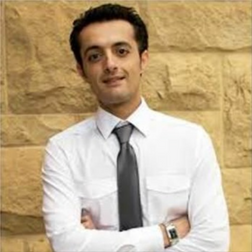
Trauma…a physically and/or emotionally threatening event… can be an individual experience, but it can also be a collective one. As we gain some distance and perspective on the crucial year of 2020, we can better understand the critical convergence of traumatic circumstances we encountered and from which we are still struggling to recover. At the same time a deadly plague was at its height, our very democracy was imperiled by destructive political divides and violent civil unrest fueled by unchecked social injustice. Add the increasing effects of climate change in the form of more frequent and intense natural disasters, and it’s no wonder we feel, and are behaving, traumatized. The good news is, we have the capacity to manage and recover from trauma and stress, to develop resiliency, and to invest in social systems that will serve us well in times of future difficulties. Our guest on this episode of What Makes Up Your Mind has even worked out a prescription for us to follow, as individuals, and as a society. Dr. Victor Carrion is the John A. Turner M.D. Professor and Vice-Chair of the Department of Psychiatry and Behavioral Sciences at Stanford University. He’s a faculty member of both Stanford University School of Medicine and Lucile Packard Children’s Hospital, as well as the Director of the Stanford Early Life Stress and Resilience Program, with three decades dedicated to researching and treating the impact of stress and trauma on young, developing minds. He’s developed a treatment called Cue-Centered Therapy, is investigating the positive and preventative impacts of a yoga and mindfulness curriculum in schools and has authored and co-authored books on both subjects. Click to listen as Dr. Carrion discusses his Prescription for Nations from the Science of Healing from Trauma. More about Dr. Carrion, his work, research and writings: profiles.stanford.edu/victor-carrion The Early Life Stress and Resilience Program: med.stanford.edu/elspap.html

Psychosocial Issues of Technology and Internet Overuse, with Dr. Elias Aboujaoude

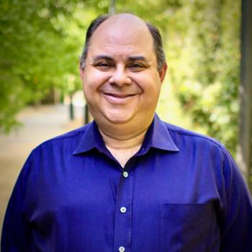
The power and connectivity of modern-day technology has never been more evident than during the COVID-19 pandemic. Information-sharing, distance learning, remote work, the safe procurement of goods and services, socially distanced personal connections, and telehealth…all critical lifelines provided by the internet and social media. There is no denying these positives. There is also no denying a darker side of these tools and their use, and overuse, in society. The medically-used term is Problematic Internet Use or PIU, if the focus is video games, Internet Gaming Disorder. Informally, it has been called internet addiction and it carries similarities to other so-called behavioral addictions such as gambling, but also has some aspects of diseases like impulse control disorders, OCD and substance abuse. Dr. Elias Aboujaoude has made the study of this new condition and the intersection of technology and psychology his specialty. An author and clinician, he is Clinical Professor of Psychiatry and Behavioral Sciences in the Stanford School of Medicine Department of Psychiatry and Behavioral Sciences, Chief of the Anxiety Disorders Section, and Director of the OCD Clinic. In this What Makes Up Your Mind conversation, Dr. Aboujaoude introduces us to the signs and impacts of PIU. He explains how interactive and visually stimulating technology entrances us, how the anonymity, invisibility and speed of social media can give rise to problematic behaviors we wouldn’t usually exhibit in person, and why putting forward a reinvented identity through social media –which imitates real life very well with its rewards and punishments - is so powerful and hard to resist. This begs us to ask ourselves the ultimate question; what is our real selves – what defines us? Click through and listen in as Dr. Aboujaoude also gives us some real-world advice on how to better monitor our technology use to create optimum life balance and well-being on this installment of What Makes Up Your Mind. For more on Dr. Aboujaoude’s work: med.stanford.edu/ocd.html med.stanford.edu/psychiatry/about…ovid19/tech.html

Understanding, Treating, and Living Fully With Psychosis, with Dr. Jacob Ballon

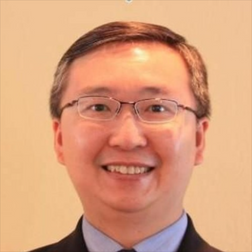
Recovery-oriented. Client-centered. Respectful, evidence-based treatments. This is Stanford’s INSPIRE Clinic, carrying out the mission of meaningful recovery individuals experiencing psychosis. The severity of symptoms on the continuum of psychosis range from intrusive thoughts and bothersome voices to hallucinations and conditions like schizophrenia. But, as INSPIRE’s co-director Dr. Jacob Ballon, Clinical Associate Professor of psychiatry and behavioral sciences, tells us in this episode of What Makes Up Your Mind, misconceptions and a lack of understanding of the conditions on this spectrum of mental illness have kept stigma about it stubbornly in place. The good news is that with proper treatment attuned to the specific needs and goals of each patient, recovery and a fully functional life are very likely outcomes. Because it is also true that much is still unknown about the cause of these illnesses or exactly how they manifest in the brain, another mission of INSPIRE Clinic is continuing research. Dr. Ballon has particular interest in the connection between the brain and the rest of the body, and is looking at how exercise might positively impact treatment for psychosis and prevention of psychiatric disorders. Through collaboration with experts in other disciplines across Stanford, Dr. Ballon and INSPIRE are working to understand the whole-body impact of psychiatric illness, and are able to offer an array of different approaches to treatment, including medication, group and individual cognitive behavioral therapy, social work support, vocational and educational support, and access to clinical trials. A note for clarification: In this conversation, you’ll hear references to the Striatum, which is a critical component of the forebrain in terms of motor and reward systems, and to the NIMH, which is the National Institutes of Health. Importantly, because this podcast was recorded before the onset of COVID-19, there was much discussion of the positive impact of in-person patient interaction. While that remains the case, Dr. Ballon says of INSPIRE Clinic, “we love in-person meetings but we are actively piloting ways for people to connect online during this time.” Learn more about Dr. Ballon’s work and the INSPIRE Clinic: med.stanford.edu/psychiatry/patie…are/inspire.html profiles.stanford.edu/jacob-ballon
How And Why To Celebrate Neurodiversity, with Dr. Lawrence Fung

“Neurodiversity is a concept that regards individuals with differences in brain function and behavioral traits as part of normal variation in the human population.” Put another way, regardless of whether we consider ourselves to have “normal” brain function, whether we are challenged with Autism, ADHD, Dyslexia or Epilepsy, whether we have exceptional gifts in one or more areas of mental activity, we are all on the same broad spectrum of brain function. We are each unique; gifted in some ways and challenged in others. This is why neurodiversity should be celebrated and the potential of individuals on the spectrum should be maximized. In this segment of What Makes Up Your Mind, Dr. Lawrence Fung explains how it can be done, especially in the workplace. Dr. Fung is the Director of the Stanford Neurodiversity Project (SNP), and the Adult Neurodevelopment Clinic, as well as Assistant Professor of Psychiatry and Behavioral Sciences. In his research for best practices to broaden opportunities in quality employment for non-neurotypical workers, corporations report that neurodiverse individuals’ unique skills, talents and ways of thinking have improved bottom lines through innovation and higher productivity. “Attention to detail, out of the box thinking, and tendency to dwell deep in their topics of interest make up part of this potential,” says Dr. Fung, “but perhaps the most impactful is the general increase in employee morale when neurodiverse workers are part of a team.” Yet, the unemployment and underemployment rate for those on the spectrum remains incredibly high, with estimates in some categories topping eighty percent. Click the link to hear how SNP’s Neurodiversity at Work and Wellness Initiative offers resources for success in every component of neurodiverse employment. Utilizing the Stanford Neurodiverse Candidate Registry and the Stanford Neurodiversity Job Bank, the Neurodiversity at Work program facilitates good matches, offers interview and job prep assistance, as well as help in onboarding for neurodiverse employees, their employers and co-workers. If you have a loved one with Autism for whom a work program is not appropriate, check out the additional resources through our Autism Program at med.stanford.edu/psychiatry/patient_care/adpp.html For more on Dr. Fung’s work and helpful resources: The Stanford Neurodiversity Project: med.stanford.edu/neurodiversity.html Adult Neurodevelopment Clinic: med.stanford.edu/psychiatry/patie…re/neurodev.html Neurodiversity at Work Program: med.stanford.edu/neurodiversity/NaW.html Stanford Neurodiverse Student Support Program: med.stanford.edu/neurodiversity/s…upport--im-.html

Opioids And Addiction with Dr. Anna Lembke

While still considered a public health crisis, there is a bit of hopeful news in the fight against the opioid epidemic. For the first time since the crisis hit in the 1990’s, The Centers for Disease Control and Prevention reports overdose deaths dropped in 2018, down four percent from 2017. And yet, that lower number still accounts for more than sixty seven thousand Americans who lost their lives to overdoses, close to an annual record high. Dr. Anna Lembke knows we have a long way to go before declaring the opioid crisis in hand, or addiction in general, but chooses to be optimistic that these first signs of progress are indicators we’re on the right track. As the Medical Director of Addiction Medicine at the Stanford School of Medicine, Chief of the Stanford Health Care Addiction Medicine Dual Diagnosis Clinic, and Associate Professor of Psychiatry and Behavioral Sciences, Dr. Lembke is on the front lines of addiction research, treatment, and public education. Her 2016 book, “Drug Dealer, MD: How Doctors Were Duped, Patients Got Hooked, And Why It’s So Hard To Stop,” shone one of the earliest spotlights on the epidemic, including the role of the drug’s makers and distributors, duplicitous research, misinformed prescribing practices, as well as the breadth of the emergency and its terrible toll on American communities. In this episode of What Makes Up Your Mind, Dr. Lembke discusses the appropriate role of opioids as short term pain relievers, the dangerous changes that occur in our brains with prolonged use of opioids and other addictive substances, how to recognize such dependence in ourselves and our loved ones, and how to begin to address it. In addition you’ll hear her make the convincing case for bringing addiction into “the house of medicine” to create a successful continuum of care. For more on Dr. Lembke’s work, research and scholarly writings: med.stanford.edu/profiles/anna-lembke Links referenced in the program: Stanford Health Care Addiction Medicine Dual Diagnosis Clinic stanfordhealthcare.org/medical-clini…agnosisClinic Free online CME course “BRAVO” on how to taper patients on chronic opioid therapy med.stanford.edu/cme/courses/onli…pioid-taper.html

Child and Adolescent Trauma, with Dr. Victor Carrion

Making sure the children in our lives are healthy and thriving includes their mental wellbeing. While the natural resilience of kids is often referenced, the truth is that our youngest members of society are vulnerable to stress, anxiety and, sadly, traumatic experiences. It’s not always easy to tell, or to know how to help, so we’ve turned to Dr. Victor G. Carrion for guidance. Dr. Carrion is the John A. Turner M.D. Professor and Vice-Chair of the Department of Psychiatry and Behavioral Sciences at Stanford University. He’s a faculty member of both Stanford University School of Medicine and Lucile Packard Children’s Hospital, as well as the Director of the Stanford Early Life Stress and Pediatric Anxiety Program, with more than two decades dedicated to researching and treating the impact of stress and trauma on young, developing minds. He’s developed a treatment called Cue-Centered Therapy, is investigating the positive and preventative impacts of a yoga and mindfulness curriculum in schools, and has authored and co-authored books on both subjects. In this episode of What Makes Up Your Mind, Dr. Carrion explains how every day stressors can be addressed, mitigated, and how providing children with appropriate skills can actually prevent anxiety and depression, giving them lifelong tools to cope with what life may bring while also creating a healthier society. Further, he discusses serious trauma and PTSD in kids with the good news that it can be treated and cured, but greater access to treatment is needed. You’ll hear how we can all play a role in that whether we’re healthcare providers, professionals in education, religious and spiritual community members, or family and friends. More about Dr. Carrion, his work, research and writings: profiles.stanford.edu/victor-carrion The Early Life Stress and Resilience Program: med.stanford.edu/elspap.html
3 di 3