What Makes Up Your Mind

What Makes Up Your Mind

di the Department of Psychiatry and Behavioral Sciences, Stanford University School of Medicine
Stagione 3

CNI-X Mini-Series: Healthy Sleep, with Dr. Rafael Pelayo
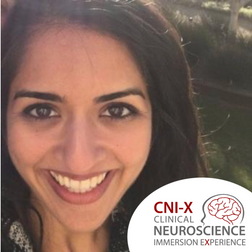
Teens have no greater ally in their life challenges than Dr. Rafael Pelayo, Stanford Psychiatry Clinical Professor and Sleep Medicine Specialist at the Stanford Sleep Medicine Center. An advocate of healthy sleep for all, Dr. Pelayo is especially passionate about how we - as a society - make it nearly impossible, through school schedules and achievement pressures, for kids to get the sleep they need. In his CNI-X presentation, Dr. Pelayo helps participants see the connection between healthy sleep and the very quality of their lives and relationships. In this mini-pod in our series on the Clinical Neuroscience Immersion Experience for high schoolers through the Stanford Department of Psychiatry and Behavioral Sciences you’ll hear why Dr. Pelayo is one of the unforgettable presenters in the two-week program. Go to https://med.stanford.edu/psychiatry/special-initiatives/CNIX for information on CNI-X, Dr. Rafael Pelayo, and all the program presenters.

CNI-X Mini-Series: Interventional Psychiatry, with Dr. Kristin Raj
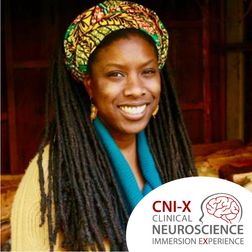
It isn’t everyone who gets to interact and learn from world-class brain-mind scientists in a small, informal setting, but that’s the uniqueness of the Clinical Neuroscience Immersion Experience (CNI-X) for high schoolers from the Stanford Department of Psychiatry and Behavioral Sciences. One of the presenters in this two-week summer program uses the newest, cutting-edge tools to treat mental illnesses. Clinical Associate Professor Dr. Kristin Raj is the Chief of Stanford’s Interventional Psychiatry. She introduces students to treatments that “intervene” in the effects of resistant conditions, such as Transcranial Magnetic Stimulation (TMS) and Electroconvulsive Therapy (ECT) and delves into the thought-provoking discussion of what it means to work to “heal” but not “change” a psychiatric patient. Learn more about Dr. Kristin Raj’s work, including as Co-Chief of the Stanford Psychiatry Mood Disorder Section and as Director of Education for Interventional Psychiatry at https://med.stanford.edu/psychiatry/special-initiatives/CNIX, where you’ll also find everything you need to know about the CNI-X program.

CNI-X Mini-Series: Jumpstarting The Future of Mental Wellbeing, with Dr. Laura Turner-Essel

What better way to build a mentally healthy and thriving world than to offer young people access to some of the very best researchers and care providers in mental wellbeing as they prepare to transition into adulthood?  Stanford Psychiatry’s Clinical Neuroscience Immersion Experience (CNI-X) opens the minds of highschoolers to greater self-awareness, the fascinating workings of their brains, and an opportunity to see themselves in a position to join the mission of improving mental health as career professionals. Learn more about this two-week summer immersion program, both in-person at Stanford and as a virtual experience, with CNI-X Program Manager, Dr. Laura Turner-Essel on this episode of What Makes Up Your Mind, then use the link below for application and financial assistance information for the thoughtful, curious teen in your life. https://med.stanford.edu/psychiatry/special-initiatives/CNIX
Stagione 2

Beating Eating Disorders, with Dr. James Lock
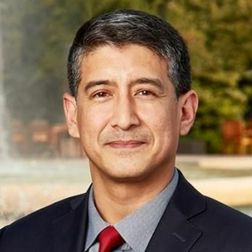
The mortality rate of eating disorders is the highest of all psychological illnesses, but if you thought they were incurable our expert on this episode of What Makes Up Your Mind has heartening news. Dr. James Lock is Professor of Child and Adolescent Psychiatry and Pediatrics in the Stanford Department of Psychiatry and Behavioral Sciences. A global expert on eating disorders, Dr. Lock also directs the Stanford Eating Disorder Program for Children and Adolescents. As he explains in this episode, eating disorders gradually and sneakily take hold mostly in youth, disrupting physical and emotional development. Left unchecked serious and debilitating conditions can develop, some with fatal outcomes, including suicide. But Dr. Lock is having great success treating and curing Anorexia Nervosa and Bulimia Nervosa with Family Based Treatment (FBT) which is exactly the opposite of traditional treatment which isolated the patient and blamed parents for the condition. He is now researching whether FBT will be as effective against Avoidant Restrictive Food Intake Disorder (ARFID) that often begins in very young children, characterized by profoundly picky eating, appetite struggles, and fears of illness after eating. As efficacious as FBT has proven to be, access to eating disorder treatment is severely limited so a great focus of Dr. Lock’s work at this time is expanding access as well as training for medical providers. Click the links below for additional information and resources. Dr. James Lock Biography, Research, Publications https://med.stanford.edu/profiles/James_Lock Stanford Department of Child & Adolescent Psychiatry Eating Disorders Research Program https://med.stanford.edu/edresearch.html Stanford Eating Disorder Program for Children and Adolescents https://med.stanford.edu/childpsychiatry/clinical/eating_disorders.html Stanford Child and Adolescent Outpatient Eating Disorders Clinic https://med.stanford.edu/psychiatry/patient_care/ed.html Stanford Children’s Health Comprehensive Eating Disorders Program (Family Based Treatment (FTB) Inpatient & Outpatient care through Packard Children’s Hospital) https://www.stanfordchildrens.org/en/service/eating-disorders-program https://www.stanfordchildrens.org/en/service/eating-disorders/outpatient-clinic Stanford Adult Eating Disorders Program https://med.stanford.edu/psychiatry/patient_care/adulted.html

Deep Brain Stimulation, with Dr. Mahendra Bhati
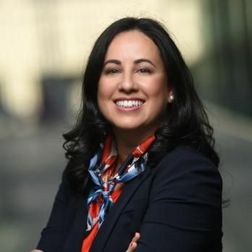
Our topic on this episode of What Makes Up Your Mind takes us deep into the human brain where stimulation treatments show great promise for relieving psychiatric illnesses. Already used to treat neural conditions affecting motor skills like epilepsy and movement disorders such as Parkinson’s disease, Deep Brain Stimulation (DBS) has also been beneficial in the treatment of severe Obsessive-Compulsive Disorder (OCD) and is being tested for treatment-resistant severe depression. In our podcast, you’ll hear Dr. Bhati give an in-depth description of the DBS procedure itself, the results he’s seen, and his process for evaluating candidates for the procedure. He explains the criteria for using DBS to treat OCD is severe treatment resistance, while using DBS for severe treatment-resistant depression is currently only available through a research study. In terms of documented efficacy for depression, Dr. Bhati says past studies done as “open label” investigations in which both researchers and participants are aware of the treatment being given showed positive results from DBS. Later controlled studies did not show greater positive results than so-called “sham treatments” in which the doctor simply goes through the motions without performing the treatment, not unlike using a placebo in a blind study for a pharmaceutical. However, according to Dr. Bhati, on-going studies continue, using advanced tools like neuroimaging to better characterize patients and neural circuits, as well as investigations of longer duration, to seek better outcomes. While extremely optimistic and excited about the possibilities DBS holds for alleviating the suffering of psychiatric patients, Dr. Bhati is concerned about how accessible this and other developing treatments will be, and currently are, for those who need them. One impediment is the shortage of mental health care providers in this arena, so Dr. Bhati directs a clinical fellowship in interventional psychiatry to encourage more young psychiatrists to engage in these new treatment options. To add to our fascinating discussion, Dr. Bhati shares his interest in the role of consciousness in mental illness and healing. Click through to listen, and check the links below for more on Dr. Bhati’s work and where DBS patient trials may be available, including at the Stanford Brain Stimulation Lab. Dr. Mahendra Bhati: https://med.stanford.edu/profiles/mahendra-bhati Stanford Interventional Psychiatry Clinic: https://med.stanford.edu/psychiatry/patient_care/intvpsych.html Stanford Brain Stimulation Lab: https://bsl.stanford.edu/

Conquering OCD, with Dr. Carolyn Rodriguez
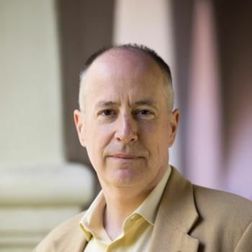
It is a very human thing to, at times, worry, ruminate, to experience self-doubt: “did I lock the door, did I give anyone this darn cold, what if ______” (fill-in the blank with any one of thousands of thoughts)? In most cases these episodes are infrequent, centered around a specific incident or situation, and our rational minds step in to interrupt the pattern and alleviate the concern. However, if we are able, for a moment, to put ourselves in the worst possible moments of those fairly typical situations - the brief panic and dread followed by an uncontrollable impulse to immediately take action - and then extend that feeling, and experience it over and over again, we’ll have an idea of the trauma that Obsessive-Compulsive Disorder, OCD, inflicts on those who suffer from it. It can be utterly debilitating for between two and three million Americans. In this episode of What Makes Up Your Mind, you’re going to learn more about OCD, how to tell if you or someone you love may be challenged by it, and where to get help if you do. But most exciting, you’re going to learn about the ground-breaking research going on to understand how and why disorders like this one manifest in the brain, and some ground-breaking work to develop fast-acting treatments which, in early trials, have offered near miraculous, temporary relief. More Information For more on Dr. Carolyn Rodriguez, who also serves as Associate Dean in the Office of Academic Affairs, as Consultation-Liaison at the VA Palo Alto Health Care System, and Director of the Stanford Hoarding Disorders Research Program: https://med.stanford.edu/profiles/carolyn-rodriguez Additional educational videos by Dr. Rodriguez in both English and Spanish via the Stanford Center for Health Education: OCD: Signs and Symptoms (English) https://www.youtube.com/watch?v=-Zg6PEJHRoo (35K views) Trastorno obsesivo compulsivo (TOC) (Spanish) https://www.youtube.com/watch?v=Mf_mRF6M_Jk&t=83s OCD Treatment (English) https://www.youtube.com/watch?v=i4SGc64BwLM&t=2s (10K views) The Rodriguez Lab/ Translational Lab: https://med.stanford.edu/rodriguezlab.html To learn more and volunteer for clinical trials in Dr. Rodriguez’s lab: https://med.stanford.edu/rodriguezlab/research/healthy-volunteers.html ocdresearch@stanford.edu, 650-723-4095 For more on Stanford Psychiatry’s Obsessive-Compulsive Disorders Program https://med.stanford.edu/ocd.html For clinical care at the Obsessive-Compulsive Disorder Clinic at Stanford https://med.stanford.edu/psychiatry/patient_care/ocd.html

Fighting the Deadly Fentanyl Epidemic, with Dr. Keith Humphreys
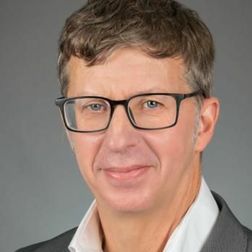
In the face of record opioid overdose deaths and cases of addiction, this episode of What Makes Up Your Mind offers hope. Our guest is Dr. Keith Humphreys, the Esther Ting Memorial Professor in the Department of Psychiatry and Behavioral Sciences at Stanford University, an internationally recognized expert on addiction, treatment, and public policy. He was part of the Obama administration's team when the Affordable Care Act was crafted and passed and was the architect of policy to allow naloxone, a life-saving antidote to opioid overdose, to be used outside health care facilities so that first responders, and even family members and other caretakers could have it at hand. This strategy has saved untold lives. Currently, and in the years during the worst of the COVID crisis, opioid addictions and overdose deaths have been overwhelmingly driven by illegal fentanyl, a synthetic drug manufactured with raw chemicals from China, illegally processed and smuggled into the United States by criminal organizations, primarily Mexican drug cartels, according to the Federal Drug Enforcement Administration. Besides its addictive properties, fentanyl's extreme potency means vast numbers of deadly doses can be trafficked without detection. Fentanyl pills can be disguised to look like other recreationally used prescription drugs and, in powder form, can be laced with other narcotics. A dire situation, to be sure, but experts are working to unlock the brain's susceptibility to these addictions, develop new treatment methods, and expand the efficacy of those we already have. As Dr. Humphreys points out, in medical uses, they are effective in relieving acute pain; "We don't just have an opioid crisis, we have a crisis of pain with a lot of people not getting the care they need." You'll learn how patients can work with their doctors to use these pain relievers safely, what loved ones can do to help mitigate risk and assist people who are addicted, the challenges of developing an addiction vaccine, and the latest treatment about which Dr. Humphreys is most optimistic. What you'll hear most in this installment of What Makes Up Your Mind, is caring and compassion. To learn more about Dr. Humphreys https://med.stanford.edu/profiles/keith-humphreys The Stanford-Lancet Commission on the North American Opioid Crisis https://opioids.stanford.edu/ The Stanford Network on Addiction Policy – Bridging Science and Public Policy https://addictionpolicy.stanford.edu/

Of Mice & Men & Sleep, with Dr. Luis de Lecea

To sleep, perchance to….rejuvenate, heal, affect mental, emotional, behavioral, and physical wellbeing…and yes, dream? Unlocking the mystery of why we sleep and what we suffer when we do not is the mission of Dr. Luis de Lecea and his lab in the Stanford University Psychiatry and Behavioral Sciences. In this segment of What Makes Up Your Mind, you’ll hear about Dr. de Lecea’s discovery of a pair of neuropeptides in the hypothalamus which influence on sleep, wakefulness, stress, and reward. Called The Hypocretins, their discovery opened a new path of research into how these messengers signal sleep-related activities to the brain. Dr. de Lecea and his team are following this path with vigor, aiming to uncover not only the connection between quality of sleep and wellness, but how manipulation of these specific neuropeptides might result in the treatment of mental and brain related illness. Imagine the implications! Researchers already know that insomnia is a symptom of some conditions, and that poor sleep quality can make the symptoms of some illnesses worse. But, by understanding the exact mechanisms at work when the brain is at rest, or deprived of it, those mechanisms could be utilized to mitigate the impacts of everything from depression and anxiety to addiction, to autism, as well as illnesses like Parkinson’s. Some of the questions Dr. de Lecea is working to answer more completely are likely some of the same questions you have about sleep: Why do we sleep and why, at times, is it so difficult to get quality sleep? Do all animals sleep? Do our sleep patterns and what we need from sleep change as we age? What do we risk, health-wise, when we don’t get the rest we need? How can we optimize the sleep we do get? Dr. de Lecea addresses all of these topics, and more, in this podcast, and shares his excitement about new developments on the horizon, including next generation sleep monitoring and therapeutics. You’ll also learn why our small mice companions are so critical to Dr. de Lecea’s work and in what way we are very much like them! We owe them our gratitude for helping us understand ourselves better. Read more on the work of Dr. de Lecea and his lab at: https://med.stanford.edu/delecea/home.html For help with sleeping issues: https://stanfordhealthcare.org/medical-clinics/sleep-medicine-center.html
Stagione 1

Food & Mood, with Dr. Maryam Makowski
“Let food be thy medicine and medicine be thy food.” So said Hippocrates, the ancient Greek physician known as the father of modern medicine. (Interestingly, he came to fame by saving Athens from a plague!) His view of food as a source of health continues to be validated by ever-evolving research, and not just good health of the body but of the mind, as well. This is the focus of this episode of What Makes Up Your Mind, with Dr. Maryam S. Makowski, clinical assistant professor in the Stanford University Department of Psychiatry and Behavioral Sciences. Her expertise is in nutrition and wellbeing, serving as a nutrition professional and physician wellbeing coach in the Department of Psychiatry’s WellConnect program, Stanford University BeWell Lifestyle Coaching Program, and the Associate Director of Scholarship and Health Promotion of the Stanford Medicine WellMD & WellPhD Center. Along with explaining how what we eat feeds our brain (or doesn’t), Dr. Makowski helps us follow the process of how our bodily fuel also impacts our emotions and moods. She also discusses foods for mental alertness and performance, extra motivation when facing a daunting task, and ways food can ease anxiety and depression. Learn more about Dr. Maryam Makowski and her work here: Academic Profile: https://med.stanford.edu/profiles/maryam-makowski WellConnect: https://med.stanford.edu/psychiatry/special-initiatives/wellconnect.html Stanford Healthy Living Coaches: https://healthyliving.stanford.edu/coaching/bios.php?sc=6364d3f0f495b6ab9dcf8d3b5c6e0b01&ci=NjA4MTYxNCwgNjA4MTYxNywgNjA4MTYyNywgNjA4MTYxOSwgNjA4MTYyNiwgNjAzOTk5NSwgNjA4MTYzMA== Stanford Faculty and Staff can sign up for nutrition coaching through BeWell Program: https://healthyliving.stanford.edu/classes/register/hipClasses.php?t=1cce34dfd3cbss383d348a508b1be48cc821&ct=17

Mental Health in Sports with Dr. Douglas Noordsy and Dr. Francesco Dandekar

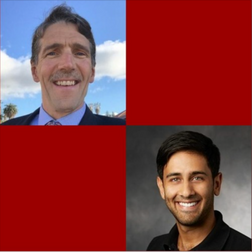
The leveling of the playing field between physical and mental health in the sports world may be underway in earnest, with an increasing number of high-profile athletes making their mental wellbeing a top priority and doing so in a very public way. In this discussion, we explore the unique pressures and expectations carried by elite competitors and the efforts of mental health providers to merge mind with body treatments for whole-person health. We also take a look in the mirror as fans to examine what drives the intensity of our adoration and criticism of our chosen athletes and teams. Our experts are from the Stanford Sports Psychiatry and Sports Psychology Program, the nation's first comprehensive mental wellbeing clinic for athletes, serving professional and Olympic athletes from around the San Francisco Bay Area, as well as Stanford's NCAA Division 1 student-athletes. From the psychiatry side of the clinic, we welcome co-founder Dr. Douglas Noordsy, Stanford Clinical Professor of Psychiatry and Behavioral Sciences, and Dr. Francesco Dandekar, Stanford Assistant Clinical Professor of Psychiatry and Behavioral Sciences, and the Associate Director of the Stanford Sports Psychiatry and Sports Psychology Program. As Dr. Noordsy explains, "The (athletic) performance enhancement work is mostly the domain of the psychology part of the program, while psychiatry is more to maintain mental health." Offering expertise in both in a centralized place makes perfect sense to Dr. Dandekar, "all of our services occupy space on the same spectrum of wellbeing." The psychology work is led by Clinic Director Dr. Lisa Post and Dr. Kelli Moran-Miller. In all, more than ten clinicians make up what Dr. Noordsy calls a "brain trust" of care. With backgrounds in athletics, they understand the unique aspects of competing at a high level while juggling other intensive activities like academics and critical life junctures. Balancing athletic performance with the rest of life's demands is among the top challenges elite athletes face, given the time and dedication needed to excel in competitive sports. While some can be motivated by and even thrive on such pressure, anxiety and depression are also not uncommon. Nor is the fear of career-ending injury or the insecurity that can set in during a long and arduous rehabilitation. Intense scrutiny of one's physical form can lend itself to body dysmorphia and eating disorders. And, just the sheer intensity of public attention – good and bad – might be an understandably disorienting experience. Through this lens, it's easy to see the importance of whole-person wellness for competitive athletes and, given the difficulty of navigating life in general, for us all. Follow this link for the Stanford Sports Psychiatry and Sports Psychology Program, its team of experts and the full array of services: med.stanford.edu/psychiatry/patie…care/sports.html To learn more about Dr. Douglas Noordsy and his work: med.stanford.edu/profiles/douglas-noordsy For more on Dr. Francesco Dandekar and the focus of his work: med.stanford.edu/profiles/francesco-dandekar
2 di 3