Moneyball - The Business of Sport

Moneyball - The Business of Sport

di Scott Keenan | Sports Business Commentator & Brand Strategist
Why Newcastle Needs the Knights
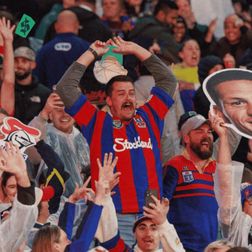
The Newcastle Knights are back in the NRL Grand Final for the first time in 25 years — but this isn’t a Grand Final preview. It’s a conversation about belonging and why the relationship between Newcastle and its rugby league team feels different. Moneyball host Scott Keenan is joined by 1997 premiership winner Steve Crowe, Triple M Newcastle Breakfast co-host Tanya Wilks, and The Knighted creator Lincoln Ison. Crowey takes us inside Newcastle’s famous 1997 Grand Final week, including the emotional team meeting the night before the win over Manly and the extraordinary scenes as thousands of supporters sent the team to Sydney. Tanya explains what she is hearing from Newcastle as the city turns red and blue again, while Lincoln talks about experiencing this run as a modern fan and content creator, including the livestream moment that left him in tears. They also discuss Kalyn Ponga, Justin Holbrook, the fans who kept turning up through the wooden-spoon years, merchandise and membership, and a bigger sports-business question: Can a professional sporting club manufacture genuine belonging — or does Newcastle have something that simply can’t be copied? Guests Steve Crowe — Newcastle Knights 1997 premiership player, former club administrator and Newcastle business leader. Tanya Wilks — co-host of Triple M Newcastle Breakfast and a fixture of Newcastle radio for more than 25 years. Radio Today Lincoln Ison — rugby league content creator and host of The Knighted, covering the Newcastle Knights through previews, reviews and fan-led content. Apple Podcasts Moneyball – The Business of Sport pulls back the curtain on the deals, decisions, people and commercial forces shaping sport. Hosted by Scott Keenan, sports-business commentator and communications strategist. YouTube: @moneyball_show Instagram: @moneyball_show Contact: askmoneyball.show@gmail.com
NRL's Grand Final Entertainment Stuff Up
Has the NRL got its Grand Final entertainment strategy completely wrong? The NRL is heading into its biggest game of the year without a headline entertainment act after talks with Tones and I fell apart. Peter V’landys has questioned whether spending around $1 million on 11 minutes of entertainment represents value — but is that looking at the whole thing the wrong way? Moneyball host Scott Keenan is joined by comedian and sports broadcaster Andrew “Barney” Barnett to unpack the business of Grand Final entertainment: why it matters to broadcasters, how it can attract casual audiences, the sponsorship opportunity the NRL could be missing, and what the AFL does differently with its biggest event. They also revisit some memorable Grand Final entertainment — from Tina Turner and The Kid LAROI to Billy Idol and Meat Loaf — and ask whether a sport that wants to be Australia’s biggest should be trying to make its biggest event even bigger. Andrew is the co-host of Not Another Rugby League Podcast with Steve Philp and is appearing at the Sydney Fringe Festival with Barney’s Sports vs Entertainment Comedy Showdown, at The Factory Theatre in Marrickville on October 1, 2 and 3. Tickets are available at fringecomedy.com.au.) Moneyball – The Business of Sport goes behind the deals, decisions and commercial forces shaping sport in Australia and around the world. Watch on YouTube or wherever you get your podcasts.
Should Aussie Sports Be Worried About the NFL?
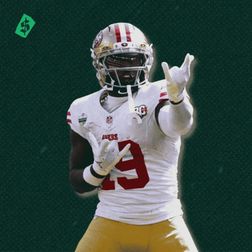
NFL Melbourne worked. More than 100,000 people packed the MCG for the NFL's first regular-season game in Australia — but the bigger question is what happens next. Can the NFL turn one enormous event into a genuine Australian market? And if it does, could its sheer commercial scale eventually become a threat to the AFL, NRL and other Australian sports? Scott Keenan is joined by AJ Maestas, founder of sports strategy and analytics firm Navigate and host of the Navigating Sports Business podcast, to unpack the business behind the NFL's push into Australia. They discuss why the NFL chose Melbourne and the MCG, where Australia fits into the league's international expansion strategy, the enormous potential value of global media rights, how casual fans become long-term customers, flag football, and the very different approaches taken by the Rams and 49ers in Melbourne. They also turn the question around: if one NFL team can operate at a scale comparable with an entire Australian sporting league, what happens if the NFL starts competing more aggressively for Australian fans, sponsors, media dollars and sporting spend? AJ Maestas is the founder of Navigate, a data-driven sports and entertainment consulting firm working with leading brands, leagues, teams, universities and entertainment organisations. He is also the host of Navigating Sports Business, featuring conversations with leading decision-makers from across the sports industry. Moneyball – The Business of Sport pulls back the curtain on the deals, decisions and strategies shaping sport. Hosted by Scott Keenan, an Australian sports business commentator, Moneyball covers media rights, expansion, investment, ownership, sponsorship, broadcasting, marketing and fan growth. Contact: askmoneyball.show@gmail.com Instagram: @askmoneyball_show If you want to know what's really going on in sport, you've gotta follow the money.
Is the NBL about to BLOW UP on Nine?
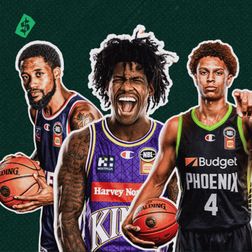
Could NBL27 be the season Australian basketball gets significantly bigger? With the new NBL season tipping off on September 19, Saturday night basketball is coming live and free to Nine and 9Now — giving the league a major opportunity to reach new and casual fans. Geoff Dyer, Director of Programming for 9Network & 9Now, joins Scott Keenan on Moneyball – The Business of Sport to explain why Nine invested in the NBL, why it chose a Saturday night doubleheader and where basketball fits into Nine’s wider sports broadcasting strategy. Geoff says Nine could already feel momentum building around the NBL through television ratings, mainstream media coverage and social media. Now the broadcaster wants to use the wider Nine business to help take Australian basketball to an even bigger audience. Scott and Geoff discuss why basketball works so well on television, Nine’s ambition to offer live sport 365 days a year, the audiences and advertisers the NBL can attract, and why the battle for attention is now much bigger than the traditional Nine-versus-Seven television rivalry. They also get into what the NBL broadcast on Nine will actually look like, potential Nine talent in the coverage, NBL Overtime, Wide World of Sports and the importance of short-form and social content in bringing casual fans into basketball. Geoff also explains Nine’s strategy for Super Netball, reveals that every Super Netball game will be available free on 9Now, discusses why Premier League football has moved behind the Stan Sport paywall, and talks about the opportunity for younger voices and content creators in sports broadcasting. Finally, Geoff explains why success for Nine’s NBL partnership isn’t simply about television ratings. Nine wants to see the game grow through bigger audiences, attendances, club memberships and social engagement. In Geoff’s words: “Everything is a partnership.” Moneyball – The Business of Sport goes behind the deals, decisions and dynamics shaping sport. Contact Moneyball: askmoneyball.show@gmail.com
Is Australia Getting the Better Deal From the NFL?
The NFL has finally arrived in Australia — but could Australia actually be getting the better deal? Scott Keenan looks at how the NFL’s enormous content ecosystem is showcasing Melbourne and Australia to an American audience, why the San Francisco 49ers have spent the week behaving like a local club, and whether the Los Angeles Rams’ late-arrival strategy makes sense commercially as well as competitively. The episode also compares NFL Melbourne with the NRL’s Las Vegas experiment and looks at the other side of the deal: why the NFL is investing in Australia, how international expansion fits into its long-term growth strategy, and why turning casual fans into lifelong customers matters far more than the ticket revenue from one game at the MCG. Questions this episode explores: What does Australia get from the NFL coming to Melbourne? How does NFL Melbourne compare with NRL Las Vegas? Are the 49ers winning the marketing battle in Australia? Why is the NFL targeting Australia for growth? How does international expansion create long-term value for the league? Can flag football help turn Australians into NFL fans? Will we see more NFL games in Australia? Moneyball – The Business of Sport is hosted by Scott Keenan and looks at the deals, decisions and strategies behind sport. Get in touch by email askmoneyball.show@gmail.com
Why Private Equity Wants the NRL
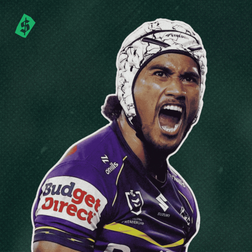
Sports teams are becoming one of the hottest assets in global investment. The LA Lakers have been valued at an extraordinary US$12.5 billion. Private equity giant EQT has agreed to become the majority shareholder in Melbourne Storm. And all 17 existing NRL clubs have reportedly proposed helping to build and own the competition’s 20th team before potentially selling it. So why does everyone suddenly want to own a sports team? Murray Barnett returns to Moneyball to explain why investors increasingly see sports franchises as an asset class of their own — and why the NRL could be particularly attractive. Scott and Murray unpack the economics behind Melbourne Storm’s reported valuation, the importance of long-term media rights, and why membership of a closed competition like the NRL, NBA or NFL can be more valuable than the club itself. They also examine whether soaring sports valuations are creating a bubble, why the scarcity of franchises could keep pushing prices higher, and what happens when the commercial interests of investors collide with what supporters want their clubs to be. And with the NRL’s existing clubs considering whether to help create Team 20 themselves, could expansion now be about creating valuable new sporting assets as much as growing the game? About the guest Murray Barnett is the founder of 26West Sport, advising sports organisations, investors, broadcasters and brands across media rights, sponsorship and commercial strategy. He has held senior roles at ESPN, Formula One, World Rugby and DAZN and has worked across some of the biggest commercial properties in global sport. About Moneyball Moneyball – The Business of Sport explores the intersection of sport, money, media and culture. Hosted by Scott Keenan, the show goes behind the headlines to explain the commercial decisions shaping modern sport. 📩 Questions, guest suggestions or commercial enquiries: askmoneyball.show@gmail.com 📸 Instagram: @moneyball_show ▶️ YouTube: @moneyball_show
What Was Pep Guardiola Really Worth to Manchester City?
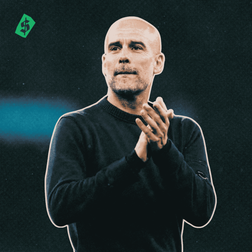
Manchester City spent years building a club capable of attracting Pep Guardiola. Now that he's gone, we're about to find out whether they built something capable of succeeding without him. After 10 years, six Premier League titles and a Champions League triumph, Guardiola leaves Manchester City as much more than its most successful manager. Sky Sports reporter Ben Ransom had a front-row seat for the Guardiola era. He has covered City for more than a decade, interviewed Pep one-on-one countless times and followed the club through its transformation into one of the dominant forces in world football. Ben joins Scott Keenan to go inside the Manchester City project: from Sheikh Mansour's 2008 takeover and the years spent building towards Guardiola's arrival, to Pep's impact on City's status, recruitment, revenues and global reputation. They explore whether Pep made Manchester City bigger or City's money and ambition made Pep bigger; why Guardiola became the public face of the club; what his presence meant when attracting elite players; and how City built its business off the pitch alongside its extraordinary success on it. They also discuss the unresolved Premier League financial case and its impact on Guardiola's legacy, before looking ahead to Enzo Maresca and the biggest test yet of the Manchester City project: Can the machine keep winning without Pep? Moneyball – The Business of Sport goes behind the deals, decisions and dynamics shaping sport.
What PNG Really Buys With Tax-Free Dollars
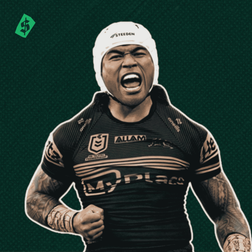
Brian To’o is going to the PNG Chiefs — and his signing is bringing the real value of PNG’s tax-free recruitment concessions into sharp focus. The Chiefs will enter the NRL in 2028 under the same salary-cap system as every other club. But eligible players and staff will be able to earn their employment income tax-free under arrangements involving the Australian and Papua New Guinean governments. So what does that actually mean in practice? Fox League estimates Brian To’o’s Chiefs contract at around $600,000 a season tax-free. Under current Australian tax rates, an Australian club would need to pay a player roughly $1.07 million before tax to generate similar take-home income. Zoom out across an entire roster and the difference in purchasing power becomes even more significant. Using the NRL’s last published Top 30 salary cap of $12.1 million, Scott runs a simplified thought experiment showing that an Australian club could need almost $21 million in gross salaries to generate similar total take-home income if PNG’s cap were divided evenly across 30 tax-free players. PNG does not literally have a $21 million salary cap. But the comparison helps explain why saying “the salary cap is the same” doesn’t tell the whole story. And there could be an even bigger consequence for the NRL player market: PNG doesn’t have to sign your player to affect what your club pays him. Scott explores how tax-free Chiefs offers could give players greater negotiating leverage, potentially forcing rival clubs to spend more of their own salary caps simply to retain their stars. With Jarome Luai, Zac Lomax, Brian To’o, Connor Watson, Matty Lees and Alex Johnston already signed, we’re beginning to see what PNG’s tax concessions can buy in the real world. Moneyball explores the intersection of sport, money, media and culture, hosted by Scott Keenan. YouTube & Instagram: @askmoneyball_show Contact: askmoneyball.show@gmail.com
How The Bye Round Landed A Show On Disney+
How does an independent sports podcast become a media company? Charlie White and former NRL player James Graham started The Bye Round as an independent rugby league podcast. Today, it has grown into an independent sports media business producing ESPN League Central for Disney+. In this episode of Moneyball: The Business of Sport, Charlie joins Scott Keenan to explain how the opportunity came about, what ESPN was really looking for, how the business has grown from a passion project into a company with employees, sponsors and multiple revenue streams, and why the relationship between broadcasters and creators is changing so quickly. It's a conversation about entrepreneurship, sport, media and what happens when a side project grows into a serious business. Topics covered The story behind ESPN League Central Producing a weekly television show for Disney+ How Charlie White and James Graham built The Bye Round Growing a podcast into an independent sports media business Hiring staff and scaling a creator business Sponsorship and creator-led media Why broadcasters are partnering with creators The future of sports media Moneyball is hosted by Scott Keenan and explores the intersection of sport, money, media and culture through conversations with the people making the biggest decisions in sport. 📩 Business enquiries: askmoneyball.show@gmail.com
Why It's Cool To Support The New Zealand Warriors
The Warriors are becoming one of the most commercially interesting clubs in world sport. And it's becoming cool to follow them as well. At NRL Magic Round, Warriors fans transformed Brisbane into a home away from home, while the club's pop-up store generated more than half a million dollars in sales. But the bigger story isn't merchandise—it's culture, identity and the way the Warriors are building one of rugby league's most powerful brands. Scott Keenan is joined by sports marketing academic Dr Sarah Wymer to explore why the Warriors have become such a cultural phenomenon, what makes their commercial strategy different, and what every sporting organisation can learn from their approach to fan engagement. In this episode Why the Warriors are becoming one of the hottest clubs in sport The commercial strategy behind Magic Round The power of Kiwi identity and diaspora communities Sponsorship, Dreamworld and fan engagement Social media, belonging and the "Wahs Effect" Rugby league's cultural momentum in New Zealand Whether a second New Zealand NRL team is the next step About Dr Sarah Wymer Dr Sarah Wymer is a Senior Lecturer in Sport Leadership & Management at Auckland University of Technology, specialising in sports marketing, fan engagement, digital strategy and commercial partnerships. About Moneyball Moneyball is an Australian sports business podcast hosted by sports business commentator Scott Keenan, exploring the intersection of sport, money, media and culture. Through interviews, analysis and original commentary, Moneyball goes behind the biggest stories in sport to explain the business shaping what fans see on the field. Follow Moneyball YouTube: https://www.youtube.com/@moneyball_show Instagram: @moneyball_show Contact the show 📧 askmoneyball.show@gmail.com Questions, guest ideas, sponsorship enquiries and media opportunities are always welcome. If you want to know what's really going on in sport... you've gotta follow the money.
1 di 4