
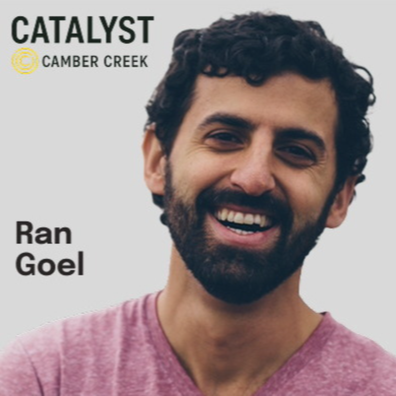
The Systems that Produce Our Food are Very, Very Messy. Ran Goel is Cleaning Them Up.
Note sull'episodio
Before he founded what became one of the larger independent organic food companies in Southern Ontario, Canada, Ran Goel was not overly occupied with food trends. He started paying attention when he realized what we eat is a gateway to many other things he cares about, like land use, health, and addressing income inequality.
1:26 Ran’s unexpected transition from Wall Street lawyer to leader in the organic food space
3:10 Ran came to see food as a lever for addressing climate change, biodiversity loss, and human rights concerns.
9:05 Fresh City Farm’s early days as an urban farm and the tangible seed-to-table experience that shaped the company’s ethos.
11:20 The evolution from Fresh City Farm to Mama Earth Organics
16:10 Why Mama Earth Organics believes vertical integration is necessary—for now
19:05 What is the value proposition of organic and locally sourced food?
25:40 Why food has become intertwined with identity and self-expression over the past two decades
27:45 Mama Earth’s own evolution from a slightly paternalistic model to a more inclusive, less judgmental brand
29:20 Would scaling organic and local food nationwide inevitably make it more expensive?
32:40 AI and robotics could lower food production costs.
34:00 Today’s food systems favor shelf-stable, highly processed products.
36:15 But cultural norms are powerful. There has been a positive shift in consumption patterns, including declining red meat, sugary drink, and alcohol consumption.
38:00 Can you make money in this business?
39:50 Community contributions, public goods, and the cumulative impact of small, consistent actions