Moneyball - The Business of Sport

Moneyball - The Business of Sport

por Moneyball
NRLW's Challenge: Turning Growth Into Audience | Glen Hawke
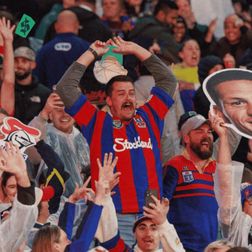
Is the NRLW schedule broken? More than 50,000 women and girls are now playing rugby league across Australia, TV audiences are growing and Women's State of Origin has become one of the biggest events on the sporting calendar. So why does the NRLW still face challenges getting more people through the gates and watching the game? On this episode of Moneyball, Scott Keenan is joined by SEN sports broadcaster and NRL and Australian Cricket ground announcer Glen Hawke to discuss whether the way the NRLW is scheduled is helping the competition reach its full potential. They discuss: Why one Newcastle Knights NRLW game attracted 12,500 fans while another drew fewer than 4,000 Whether standalone matches are helping or hurting the competition The case for NRL and NRLW double-headers How television scheduling influences attendance and audience growth Why the next NRL media rights deal could be a pivotal moment for women's rugby league The challenge of balancing broadcast demands, live crowds and long-term growth The NRL has done an extraordinary job building the women's game. The next challenge may be turning that participation boom into even bigger audiences and creating the conditions for the NRLW to thrive. Moneyball is the business of sport podcast for sports insiders and fans who want to know what's really going on in the game. 📧 Contact the show: askmoneyball.show@gmail.com
$5bn NRL Mega TV Deal Done?
Emergency Episode: Reports suggest the NRL has agreed in principle to a new media rights deal worth around $5 billion over seven years from 2028, potentially making it the biggest media rights agreement in Australian sporting history. If confirmed, Nine would retain State of Origin, the Grand Final and three games per week, while DAZN-owned Foxtel and Kayo would continue as the home of every match and every final outside the decider. After months of speculation involving Amazon Prime Video, Stan Sport, and Seven, the reported outcome also raises an interesting question: if the broadcast structure stays largely the same, what gets better for fans? In this emergency episode of Moneyball: The Business of Sport, Scott Keenan breaks down what has been reported, why competition in negotiations matters, and what questions remain unanswered as rugby league prepares for its next era.
NRL Media Rights Explained
The NRL media rights battle is entering its final stages, and for the first time in decades, State of Origin could potentially leave the Nine Network. With Peter V'landys chasing a $4 billion broadcast deal, the biggest sports media rights negotiation in Australian history has become far more than a simple contest between Nine and Foxtel. Seven Network has emerged as a genuine contender, Amazon Prime Video has entered the race, DAZN-backed Foxtel and Kayo want a major role in the future of rugby league, and questions remain over whether Paramount+, Network 10 or even Netflix could play a part. In this episode of Moneyball, the business of sport, Scott Keenan breaks down: • Who is bidding for the NRL media rights • Why State of Origin is suddenly up for grabs • Nine Entertainment's position and the future of Stan Sport • Foxtel, Kayo and DAZN's aggressive bid for rugby league • Seven Network's interest in State of Origin and weekly NRL matches • Amazon Prime Video's plans for Australian sport • The role of Paramount+ and Network 10 • Why Netflix is probably not a serious contender • How the NRL could reach a $4 billion media rights deal • The impact of Perth Bears and PNG expansion • Why broadcasters may want more teams, more games and more content • How media rights could change the way fans watch rugby league • Whether State of Origin should remain on Channel 9 The NRL isn't just selling football anymore. It's selling State of Origin, streaming rights, free-to-air rights, subscription television, digital content, expansion inventory, creator opportunities and the future shape of rugby league media. If you're interested in NRL, sports business, sports media, sports broadcasting, streaming, media rights, sports marketing, television, digital media, State of Origin, rugby league or the business of sport, this episode is for you. Who do you think should win the NRL media rights? Should State of Origin stay on Nine? Would you watch rugby league on Amazon Prime Video? Should Foxtel and Kayo remain the home of rugby league? Could Seven Network improve the coverage? ABOUT MONEYBALL Moneyball is the podcast about the business of sport. Hosted by communications strategist and sports business commentator Scott Keenan, Moneyball explores the commercial forces shaping sport, from media rights and sponsorships to fan culture, governance, strategy and the economics behind the games we love. FOLLOW MONEYBALL Instagram: @moneyball_show YouTube: @moneyball_show Email: askmoneyball@gmail.com For media enquiries, partnerships, sponsorship opportunities or guest suggestions: askmoneyball.show@gmail.com If you enjoy the show, please subscribe, leave a review and share the episode with another sports fan. Remember, if you want to know what's really going on in sport, you've got to follow the money!
Inside Origin with Mathew Thompson
State of Origin is Australia's biggest television event. And there is huge pressure for the broadcast team, especially the play-by-play commentator. More than four million Australians tune in. Hundreds of people work behind the scenes. And for Channel Nine's lead NRL commentator Mathew Thompson, every game brings the pressure of calling moments that become part of rugby league history. In this episode of Moneyball, Scott Keenan sits down with Mat for an honest conversation about State of Origin. From his preparation on game day and the challenge of calling live sport, to accusations of bias, iconic Origin moments and the enormous production that powers Australia's biggest sporting broadcast, Mat takes us inside one of the most demanding jobs in Australian media. We also explore why Origin remains one of the country's most valuable television properties, the people viewers never see behind the cameras, and what it takes to turn great sporting moments into lasting memories. If you've ever wondered what it's like to sit in the commentary box on Origin night, witnessing rugby league history, this episode is for you. Moneyball is the sports business and culture podcast hosted by Scott Keenan. Because if you want to really know what's going on in sport, you've gotta follow the money. You can get full episodes on YouTube, or follow along for clips and hot takes on Instagram @moneyball_show and listen wherever you get your podcasts. And email any time with questions about the business of sport askmoneyball.show@gmail.com
Scotland: Football's Cultural Power at the World Cup
After nearly three decades away from football's biggest stage, Scotland is heading back to the FIFA World Cup. Former Scottish footballer and Australian football coach and commentator Charles Samushonga joins Moneyball to discuss Scotland's resurgence under Steve Clarke, the players driving this generation's success, and why supporters are more optimistic than they have been in decades. We explore Scott McTominay's rise from Manchester United midfielder to one of Scotland's most influential players, the leadership of Andy Robertson and John McGinn, and the cultural and commercial momentum building around the national team. From the popularity of Scotland's new away jersey and long-term Adidas partnership to the global reputation of the Tartan Army, we examine how football has become a powerful expression of Scottish identity. We also discuss the unique football connection between Scotland and Australia, including Ange Postecoglou, Cam Devlin, Martin Boyle and the Souttar brothers. Most importantly, we ask a bigger question: what does success actually look like for Scotland at a World Cup? Because for many supporters, simply being back on football's biggest stage may already feel like a victory. Listen to Chaz and Gaz on the Champagne Football Podcast on YouTube or wherever you get your podcasts. Follow Moneyball on YouTube and Instagram for more breakdowns of the business of sport and email the show anytime with your questions for Scott askmoneyball.show @gmail.com.
Is Sport Built For Men — And Limiting Women?
Australia prides itself on being a sporting nation. But in a market of just 26 million people, a small number of dominant men’s competitions continue to consume most of the attention, airtime and commercial investment. In this episode of Moneyball: The Business of Sport, host Scott Keenan sits down with Dr Bridie O’Donnell — broadcaster, former elite cyclist and advocate for women’s sport and gender equality — to unpack one of the biggest structural questions in Australian sport. From AFL and NRL dominance, to broadcast rights, sponsorship economics and media gatekeeping, this conversation explores how Australia’s sports ecosystem has been built around men’s competitions — and why women’s sport is still fighting for visibility inside a crowded and commercially constrained market. Dr O’Donnell argues this isn’t simply about popularity — it’s about systems. Systems that have historically been built around men’s sport, reinforced by legacy media, and sustained through a feedback loop of coverage, revenue and visibility that continues to shape which sports grow, and which struggle to scale. Together, they explore: Why AFL and NRL dominate the national sports conversation The economics of women’s sport in a 26 million-person market Whether Australia’s sports ecosystem is becoming oversaturated Why participation rates don’t translate into media attention AFLW, NRLW, football, netball and women’s cycling The role of broadcasters and legacy media The rise of podcasts and digital sports creators Why visibility shapes opportunity and pathways for young women The long-term commercial challenge of building sustainable women’s leagues Why women’s sport is still often treated as an “add-on” The impact of the Matildas and the FIFA Women’s World Cup Whether independent media is genuinely changing sports coverage — or replicating existing patterns The conversation also turns inward — questioning whether newer media voices, including independent creators and sports podcasters, are truly shifting the system or unintentionally reinforcing it. This is a wide-ranging discussion about sport, media, power, culture, investment and the future of Australian sport. About Moneyball: The Business of Sport Moneyball explores the business, economics, politics and strategy behind modern sport — from elite performance and broadcast deals to fan culture and the commercial forces shaping the games we watch. Hosted by Scott Keenan, the show is for sports fans and industry insiders who want to understand how the game really works beneath the scoreboard. Contact 📧 askmoneyball.show@gmail.com Subscribe for more episodes breaking down the business of sport. Because if you want to know what's really going on in sport, you've gotta follow the money.
Amazon Wants NRL TV Rights
The NRL’s broadcast rights negotiations are heating up — and Amazon Prime is now reportedly preparing a bid for rugby league rights in Australia. In this episode of Moneyball, Scott Keenan is joined by Australian Financial Review media reporter Sam Buckingham-Jones to break down the biggest developments in the NRL media rights race, including Andrew Abdo leaving the NRL for Tennis Australia, Peter V’Landys chasing a $4 billion TV deal, and why Channel Nine, Stan Sport, Foxtel and Kayo could all be impacted by the arrival of Amazon Prime Video. Sam explains why Amazon’s growing investment in global sport — including NFL Thursday Night Football, UEFA Champions League football and NHL hockey rights — could make the NRL its next major target in Australia. The episode also explores: Why the NRL believes it can land a broadcast deal bigger than the AFL How Nine Entertainment and Stan Sport may be planning to reshape rugby league broadcasting Whether Foxtel and Kayo can hold onto the rights after 30 years The pressure now sitting on Peter V’Landys after publicly targeting a $4 billion deal The decline of the Australian free-to-air television advertising market How streaming services are changing sports media economics And the fascinating reporting that some NRL rule changes may have increased tries, stoppages and advertising inventory during broadcast negotiations This is a deep dive into the future of NRL broadcasting, sports streaming, rugby league media rights, Amazon Prime Video, Channel Nine, Stan, Foxtel, Kayo and the business of Australian sport. Subscribe to Moneyball for more conversations about the business of sport, sports media, broadcasting, streaming, sponsorship and the future of Australian sport.
How Hearts Changed Scottish Football & Why Belief Matters in Sport
For the first time in 40 years, Scottish football has had something different: hope. In this episode of Moneyball: The Business of Sport, Scott Keenan breaks down the incredible Scottish Premiership title race between Hearts of Midlothian, Celtic and Rangers — and why Hearts’ shock challenge may have changed Scottish football forever. From Ted Lasso’s iconic “Believe” message to the commercial realities of modern sports broadcasting, this episode explores why unpredictability, jeopardy and competitive balance are some of the most valuable assets in global sport. Scott is joined by BBC Scotland senior sports journalist Paul Barnes to unpack: Hearts’ remarkable 2025-26 Scottish Premiership campaign Celtic’s dramatic comeback to win the title Why the Scottish football title race suddenly captured global attention The business of sport and why broadcasters want uncertainty Tony Bloom, Moneyball analytics and Hearts’ recruitment strategy The parallels between Hearts, Brighton & Hove Albion and Union Saint-Gilloise The commercial future of the SPFL, Sky Sports and BBC Scotland Scottish football culture, rivalry and tribalism The controversial Celtic pitch invasion and its impact on the league’s image Why leagues become more valuable when fans believe more than two clubs can win This episode also explores: Ted Lasso, Believe, Scottish Premiership, Hearts FC, Celtic FC, Rangers FC, SPFL, BBC Scotland, Alex Ferguson, Aberdeen FC, Tony Bloom, football business, sports media rights, sports broadcasting, football finance, football analytics, Moneyball strategy, Australian football connections, Ange Postecoglou, Cameron Devlin, Scottish sport, European football, football culture, sports documentaries, football podcasts and the future of Scottish football. If you’re interested in: the business of football sports media rights sports documentaries football finance Moneyball analytics sports broadcasting Scottish football Celtic and Rangers Ted Lasso themes in sport how underdog teams change leagues …this episode is for you. Subscribe to Moneyball – The Business of Sport on YouTube, Spotify and Apple Podcasts. And ask any questions about the business of sport by email askmoneyball.show@gmail.com.
The Most Expensive World Cup Ever?
The 2026 FIFA World Cup is being billed as the biggest tournament in football history — but it may also become the most expensive World Cup ever for fans. In this episode of Moneyball, Scott Keenan examines the business behind the modern FIFA World Cup and the growing concern that football’s biggest event is becoming financially out of reach for ordinary supporters. With the Socceroos preparing for the tournament under coach Tony Popovic in Sarasota, Florida, Australian fans are confronting the reality of attending a World Cup spread across the United States, Canada and Mexico — with soaring airfares, hotel prices, ticket costs and internal travel expenses potentially pushing trips into the tens of thousands of dollars. The episode also explores FIFA’s controversial use of dynamic ticket pricing, comparisons between the World Cup, Formula One and the Super Bowl, and the broader commercialisation of global sport. Plus: The Socceroos’ World Cup preparation Why North America creates unique travel challenges FIFA’s response to pricing criticism The growing backlash from supporters Federation Square and the importance of fan culture Whether football risks drifting away from the people who built it Moneyball: The Business of Sport is an Australian sports business podcast hosted by Scott Keenan, exploring the money, politics, media and power behind the biggest stories in sport. Watch the show on YouTube, follow for clips and breaking news on Instagram and email your questions any time askmoneyball.show@gmail.com.
Who REALLY Runs Manchester United Now?
Who is really running Manchester United right now? After years of instability since the retirement of Alex Ferguson, United are back in the Champions League and preparing to make one of the biggest decisions in the club’s modern history: appointing a permanent manager. Will it be Michael Carrick after his impressive interim spell? Or will INEOS and Jim Ratcliffe go in another direction? And with the Glazer family still holding a majority stake in the club, who is actually making the big decisions at Old Trafford? This week on Moneyball: The Business of Sport, host Scott Keenan speaks with Chris Blackhurst — former editor of The Independent in the UK and author of The World’s Biggest Cash Machine, the acclaimed book about the ownership of Manchester United and the financial model behind one of the biggest clubs in world football. In this episode: The Glazer takeover and leveraged buyout Manchester United’s debt and transfer obligations INEOS and Sir Jim Ratcliffe’s role at the club Why Champions League qualification matters financially Whether United can realistically challenge for the Premier League again The risk and politics around appointing Michael Carrick Recruitment mistakes and football decision-making Old Trafford redevelopment and long-term strategy Whether Manchester United is still being run like a “cash machine” Moneyball: The Business of Sport is an Australian sports business podcast hosted by Scott Keenan, exploring the money, power, politics, media, and strategy shaping global sport. If you enjoy conversations about: Manchester United Premier League ownership Football finance Sports business Sir Jim Ratcliffe INEOS The Glazers Michael Carrick UEFA Champions League Football media and strategy …make sure you subscribe and follow the show. 🎧 Listen on Spotify, Apple Podcasts and YouTube. 📩 Got a question or guest suggestion? Email: askmoneyball.show@gmail.com And remember: if you want to know what’s really going on in sport… you’ve gotta follow the money.
1 de 3